文旅与餐饮融合

Search documents
成为沈阳餐饮消费新名片
Xin Lang Cai Jing· 2026-01-28 22:03
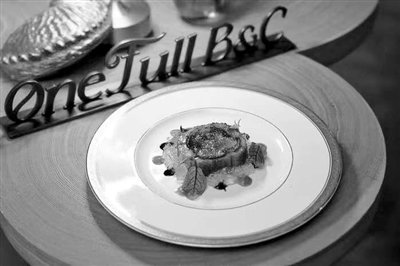
Core Insights - The 2026 Black Pearl Restaurant Guide marks the first inclusion of restaurants from Northeast China, with ONE FULL B&C and the main branch of Lumingchun being the first to be recognized, filling a gap in the region [4][5] - The recognition of these restaurants is seen as a direct acknowledgment of the efforts in integrating cultural tourism and dining in Shenyang, enhancing the city's culinary reputation [4][6] Group 1: Restaurant Recognition - The Black Pearl Restaurant Guide has expanded to include 263 restaurants across 32 cities in China, covering 45 different cuisines, with Liao cuisine making its debut on the list [5] - Lumingchun, established in 1929, is recognized for its traditional Liao cuisine, which has been designated as a national intangible cultural heritage, highlighting its historical significance [5][6] - ONE FULL B&C, a newer establishment founded in 2017, represents the emerging trend of Western cuisine in Shenyang, emphasizing the rigorous evaluation standards of the Black Pearl Guide [5][6] Group 2: Cultural and Economic Impact - The inclusion of Liao cuisine in the Black Pearl Guide is seen as a milestone that challenges stereotypes about Northeast cuisine and sets a quality benchmark for local dining [6][8] - The trend of "refined dining" is gaining traction, with a shift in consumer behavior towards quality and experience rather than just quantity, indicating a broader cultural shift in dining preferences [6][7] - The integration of dining with cultural tourism in Shenyang is being actively promoted, with local specialties being incorporated into tourism routes and the establishment of food landmarks [7][8] Group 3: Broader Trends in Dining - The Black Pearl Guide is not just a ranking but also a catalyst for local culinary development, encouraging the use of regional ingredients and enhancing the overall dining experience [8] - The dining market in Shenyang is evolving towards diversification, youthfulness, and health consciousness, aligning with the growing demand for high-quality dining experiences [7][8]

暑期旅游旺季来临,北京餐饮发力“文化+美食”激发消费力
Bei Ke Cai Jing· 2025-07-01 08:17
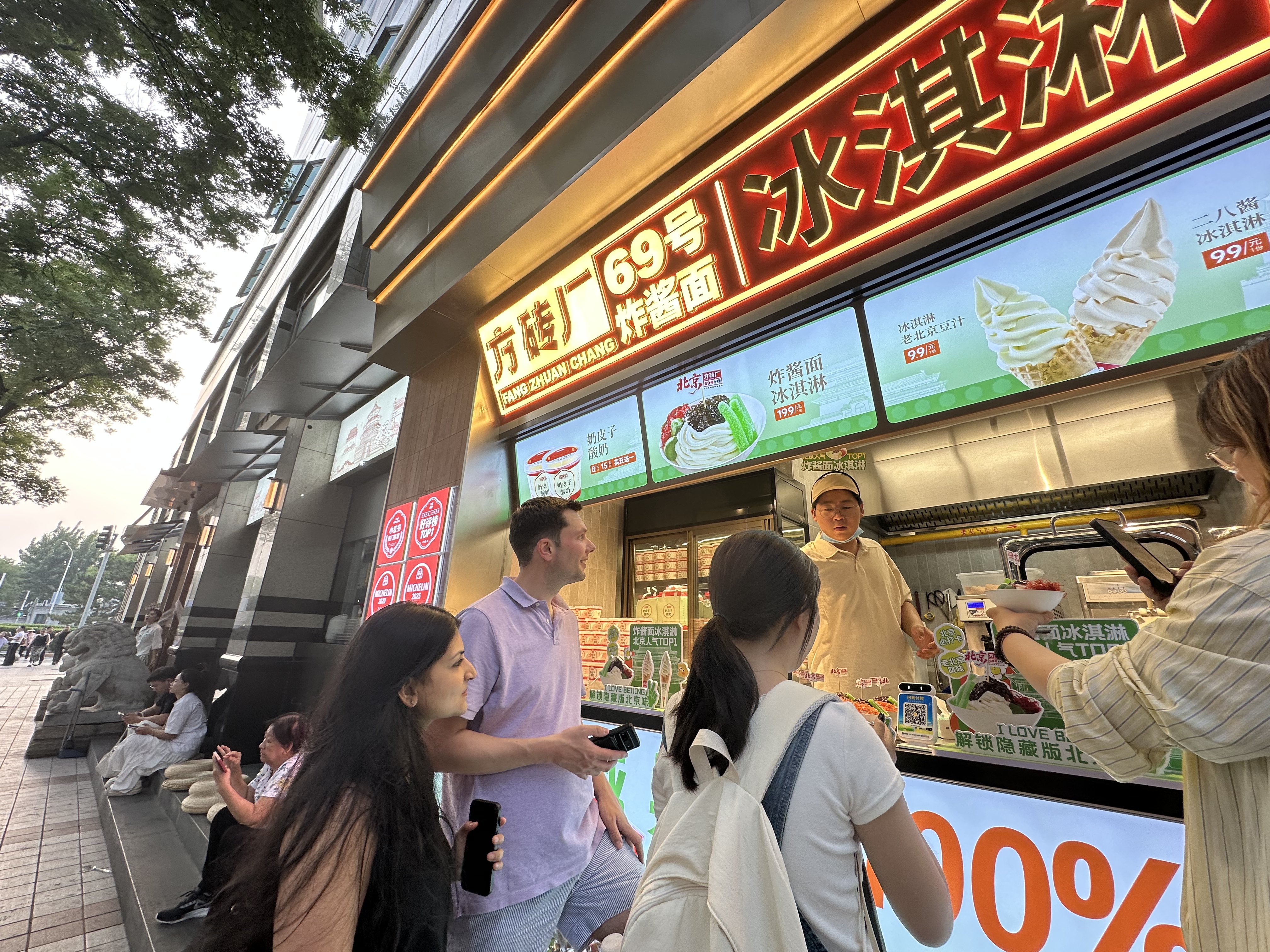
Group 1: Industry Trends - The summer season has led to a peak in the Beijing dining industry, with a 5% increase in both revenue and customer traffic compared to the same period last year, driven by the integration of cultural tourism and dining experiences [1] - The dining industry is experiencing a shift from single-function offerings to a more complex experience, with consumer demand evolving towards unique flavors, cross-industry features, and dining atmospheres [10] - The deep integration of cultural tourism and dining is seen as a long-term trend rather than a temporary fad, focusing on experiential consumption and emotional resonance as new values in the dining sector [11] Group 2: Company Initiatives - Fangzhuanchang 69, a brand specializing in Zhajiangmian, has seen a 14% year-on-year increase in customer traffic and a 54% increase compared to the previous week during the summer solstice, indicating a strong demand for cultural understanding of the dish [2] - The brand has implemented training for staff to master the "three steps to eat noodles" and cultural responses, as well as multi-language interpretations of key terms related to Zhajiangmian [6] - The collaboration between "Jingcheng San Taizi" and Xiaotiao Pear Soup has resulted in an 8% increase in revenue and a 3% increase in customer traffic, showcasing the effectiveness of IP collaborations in enhancing dining experiences [7] Group 3: Cultural Integration - The "Beihai Park North Shore Market" has become a popular summer destination, showcasing intangible cultural heritage crafts and allowing visitors to engage in hands-on activities, thus promoting cultural appreciation [8][9] - The market features seasonal products and integrates local design elements, supporting the sustainable development of intangible cultural heritage through various initiatives [9] - The combination of cultural elements with dining experiences is creating new value propositions for consumers, as seen in the introduction of themed afternoon teas and creative products at the market [12]