新消费形态

Search documents
智能穿戴设备引领消费升级 打造消费新范式
Zheng Quan Ri Bao Wang· 2026-01-23 12:57
Group 1 - The core viewpoint of the articles highlights that by 2025, China's total retail sales of consumer goods are expected to exceed 50 trillion yuan, with significant growth in smart wearable devices, including smart glasses, watches, and bands, projected to surpass 40% [1] - The shift in consumer preferences towards practical functionality, stylish design, and high cost-performance ratio in smart wearable devices is evident, as consumers prioritize features like real-time meeting transcription and multilingual translation [1] - The emergence of a new consumption paradigm characterized by "hardware + services" is noted, indicating a transition from traditional one-time purchases to a long-term consumption cycle that enhances the sustainability of domestic demand [2] Group 2 - Experts believe that smart wearable devices may become the next "national-level" consumer product, potentially succeeding smartphones and electric vehicles, with expectations for supportive policies to enhance product affordability and accelerate widespread adoption [3] - The rapid growth of the smart wearable sector is driving advancements in upstream component manufacturing, pushing the electronics industry towards self-reliance in core technologies, which is strategically significant for stabilizing high-end manufacturing in China [2]
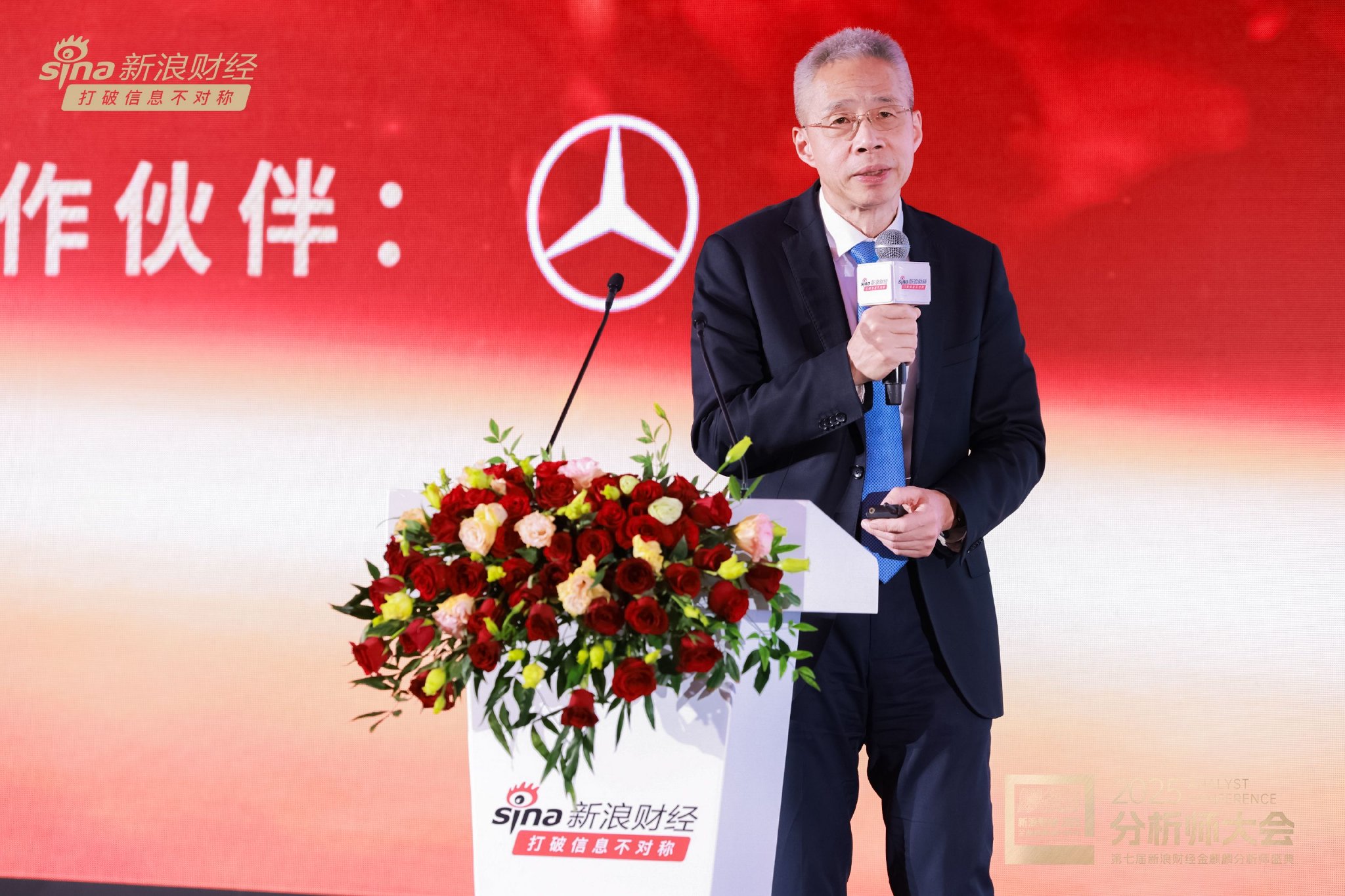
中泰国际李旭雷:十年间白酒消费量从1500万吨降至400万吨,消费已经不是传统消费了!
Xin Lang Zheng Quan· 2025-11-28 11:42
Core Insights - The current consumer market is undergoing profound structural changes, with traditional consumption models giving way to new consumption forms that align with demographic shifts [1][3] - The contribution of consumption to GDP is expected to continue increasing, driven by changes in population structure and rising public fiscal spending on social security [3] Group 1: Structural Changes in Consumption - Traditional consumption in sectors like food and clothing has seen per capita consumption in China surpass that of the West [3] - The consumption volume of traditional industries, such as liquor, has significantly decreased from 15 million tons to 4 million tons over the past decade, indicating that relying solely on traditional consumption for growth is no longer viable [3] Group 2: Future Growth Drivers - Future consumption growth will be more aligned with the acceleration of population aging and the consumption habits of the new generation [3] - The proportion of public fiscal spending used to fill social security gaps has increased from 5.3% in 2013 to 8.8% in 2023, and is projected to reach 12% by 2030, amounting to approximately 4 trillion yuan [3] Group 3: Investment Opportunities - The deep transformation in consumption structure presents new challenges for investors, particularly in emerging sectors such as the silver economy, health and elderly care, and smart living [4] - Identifying which specific segments within these new consumption areas will yield the greatest growth potential and investment opportunities will be a key focus during the 14th Five-Year Plan period [4]