新消费观

Search documents
布局多元资产、协助中国品牌出海,凯德投资发布两大商业新品牌
Sou Hu Cai Jing· 2025-12-11 11:22
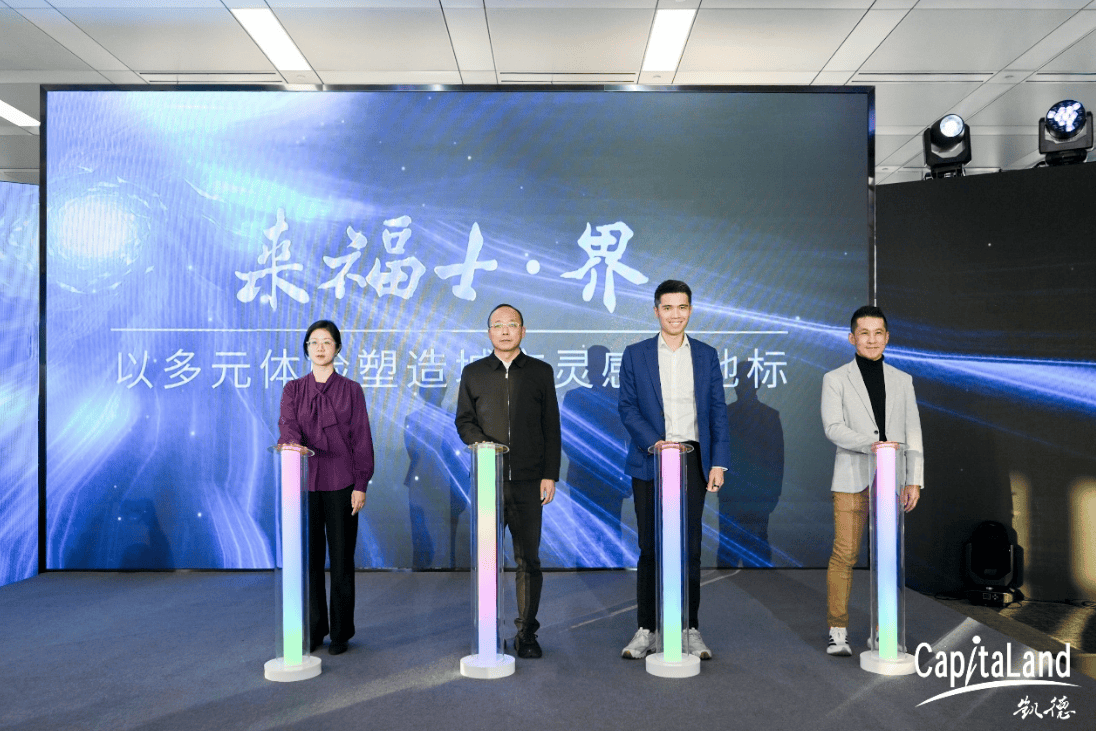
Core Insights - The Chinese consumer market is undergoing a profound structural transformation, with new consumption concepts reshaping the business ecosystem [1] - CapitaLand Investment (China) has launched two new commercial brands, "Raffles·Jie" and "CapitaLand One Center," to provide richer and more personalized experiences that meet consumer demands for high-quality living [1] Group 1: Brand Launch and Partnerships - Over 20 well-known brands attended the launch event, covering categories such as apparel, lifestyle, sports, and pet economy, providing diverse perspectives on consumption trends [2] - CapitaLand Investment signed a management contract with Wuxi Binhu Jianfa Group to create the first "Raffles·Jie" in Wuxi, based on park-style commercial concepts [7] - A memorandum of cooperation was signed with Liangxi Technology City Group to advance collaboration in industrial park operations and property management in Wuxi [7] Group 2: Management and Expansion Strategy - The commercial real estate sector in China is entering a phase focused on revitalizing inefficient assets and unlocking asset value, which will become a new demand point [3] - CapitaLand's management output strategy aims to drive scalable growth while maintaining steady growth through excellent operations [3] - CapitaLand is expanding its management output projects, with two new projects, Bixiang Chuxiang (Changsha) and Yiwei Lin (Wuhan), set to launch in November, marking the company's innovative attempts in specialty commercial and product innovation [7] Group 3: International Expansion and Brand Support - CapitaLand has assisted nearly 60 Chinese brands in entering Southeast Asian markets, leveraging its asset and operational management capabilities [8] - The company has established itself as a preferred partner for quality brands entering the Chinese market and serves as a launch platform for Chinese and international brands entering Singapore [8] - CapitaLand manages approximately 10,200 retail leases in China, covering over 4,600 brands, and continues to expand its brand pool by introducing first stores in cities [9]

搜狐酒馆第31期|酒仙亮哥:低度打开年轻味蕾,高度仍是最终归宿,二者并不相悖
Sou Hu Cai Jing· 2025-07-31 09:07
Core Insights - The Chinese liquor industry is undergoing a significant transformation, with younger consumers shifting their drinking habits towards more casual and relaxed settings, moving away from traditional business-oriented consumption [2][4] - E-commerce and instant retail are reshaping consumer decision-making processes, emphasizing the need for brands to adapt to new consumption patterns [2][7] Group 1: Changing Consumer Preferences - Young consumers prioritize emotional value and the experience of drinking over traditional social functions, leading to a rise in demand for low-alcohol beverages [3][4] - The economic downturn has reduced formal business gatherings, further decreasing the demand for traditional business wines [4][5] - New consumption trends highlight a preference for self-indulgent drinking experiences, with younger consumers favoring solo drinking or casual gatherings over competitive drinking [4][5] Group 2: Market Dynamics - The primary consumer base for liquor remains middle-aged and older individuals, but the focus on younger consumers is increasing as brands seek to cultivate future buyers [5][6] - Low-alcohol and small-packaged products are seen as entry points for younger consumers, but high-alcohol beverages will continue to play a significant role in formal settings [6][10] Group 3: Channel Evolution - The rise of e-commerce and instant retail is causing a profound impact on traditional distribution channels, necessitating a balance between online and offline sales strategies [7][8] - The shift in consumer power from manufacturers to consumers requires brands to be more responsive to consumer demands and preferences [8][11] Group 4: Future Trends - The liquor industry is expected to continue evolving, with formal consumption remaining high-end and casual consumption diversifying into low-alcohol and unique flavored beverages [15] - Brands that can identify and leverage their core competitive advantages during this adjustment period will be better positioned for future success [15]