
新能源构网技术

Search documents
华为发布2026智能光伏十大趋势 引领光风储迈向主力电源
Zhong Guo Qi Che Bao Wang· 2026-01-13 09:58
Core Insights - Huawei Digital Energy hosted the 2026 Smart Photovoltaic Top Ten Trends Conference, focusing on integrating wind, solar, and storage into a new power system to accelerate their role as a primary energy source [1][3] Group 1: Industry Development Trends - The past decade has seen rapid development in the wind, solar, and storage industry, transitioning into a "value cultivation period" where innovation shifts from single-point to integrated innovation [3] - The ten trends released by Huawei emphasize full-scene collaboration and technological breakthroughs, outlining the future development path for the wind, solar, and storage industry [4] Group 2: Key Trends - Collaboration among wind, solar, and storage will create a stable and controllable power source, focusing on 100% renewable independent operation and intelligent collaboration across the entire lifecycle [4] - Network-based energy storage will become a core support for grid stability, capable of smoothing out fluctuations in renewable energy generation and participating in energy market transactions [5] - The integration of AI in energy management will enhance the efficiency and flexibility of energy utilization across power generation, grid, load, and storage [4][5] - Home energy storage systems will transition to an AI-native era, embedding AI technology throughout the design, usage, and operation processes [5] - High-frequency and high-density innovations are expected to increase the power density of photovoltaic inverters and storage PCS by over 40% in the coming years [5] Group 3: Technological Advancements - High voltage and high reliability will drive down the cost per kilowatt-hour, with advancements in key components and safety measures transitioning from reactive to proactive [6] - System-level battery management will enhance safety in energy storage operations through precise monitoring and control using digital technologies [6] - The technology system for renewable energy networking is maturing, evolving from a passive follower to an active builder, focusing on high-performance hardware and intelligent algorithms [6] - Intelligent systems will enable renewable energy stations to achieve automated operations, marking a new phase of "autonomous driving" in energy management [6] - Energy storage safety assessments will evolve to a systematic evaluation throughout the entire lifecycle, establishing clear safety standards and addressing industry challenges [6]

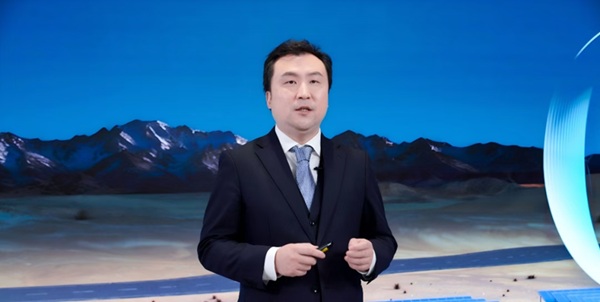
华为发布智能光伏十大趋势:电站迈向“自动驾驶”
Guan Cha Zhe Wang· 2026-01-13 07:08
Core Insights - Huawei's Vice President of Digital Energy Smart Photovoltaic Business, Zhong Mingming, released the "Top Ten Trends in Smart Photovoltaics" and a white paper, providing insights and practical paths for accelerating the integration of wind, solar, and storage into the new power system, aiming for high-quality industry development [1] Group 1: Trends Overview - Trend 1: The synergy of wind, solar, and storage will make renewable energy a predictable and controllable stable power source, requiring five core features for future large-scale wind-solar-storage bases [2] - Trend 2: Network-based energy storage will become a key support for grid stability and balance, enabling participation in energy market transactions and providing auxiliary services [3] - Trend 3: The collaborative model of source, grid, load, and storage will evolve towards "regional autonomy + global collaboration" through AI intelligent scheduling technology [3] Group 2: Technological Innovations - Trend 4: Home solar storage scenarios will transition from AI empowerment to AI-native, enhancing user experience through comprehensive AI integration [5] - Trend 5: High frequency and high density will drive continuous improvements in power density of solar storage devices, with expectations of over 40% enhancement in the coming years [6] - Trend 6: High voltage and high reliability will lead to a continuous reduction in the cost per kilowatt-hour, with upgrades in key components ensuring safety and reliability [8] Group 3: System Management and Safety - Trend 7: Battery management at the system level is essential for the safe and stable operation of energy storage systems, utilizing digital technologies for precise monitoring [9] - Trend 8: The technology system for renewable energy networks is maturing, transitioning from passive to active roles in grid stability, focusing on high-performance hardware and intelligent algorithms [10] - Trend 9: Intelligent systems will deeply empower renewable energy stations, moving towards "autonomous driving" capabilities [11] - Trend 10: The energy storage industry is entering a new phase of quantifiable safety, with systematic assessments covering the entire lifecycle of systems [12]
