智能光伏

Search documents
华为发布智能光伏十大趋势:光风储协同、智能体融入新能源电站等
Sou Hu Cai Jing· 2026-01-14 10:52
Core Insights - Huawei Digital Energy held a conference on January 12, 2023, to unveil the "Top Ten Trends in Smart Photovoltaics for 2026," highlighting the transition of the renewable energy industry into a "value cultivation period" as it faces stability challenges in power generation, grid, and consumption due to increased penetration of renewable energy [1][14]. Group 1: Trends Overview - Trend 1: The synergy of solar, wind, and storage will make renewable energy a predictable and controllable stable power source, requiring five core features for future large-scale renewable energy bases [2]. - Trend 2: Network-based energy storage will become a key support for grid stability and balance, enabling participation in energy market transactions and providing auxiliary services [4]. - Trend 3: The collaborative model of source, grid, load, and storage will evolve towards "regional autonomy + global collaboration" through AI-driven scheduling technology [5]. Group 2: Technological Innovations - Trend 4: Home solar storage scenarios will transition from AI empowerment to AI-native, enhancing user experience through comprehensive AI integration [6]. - Trend 5: High frequency and density will drive continuous improvements in the power density of solar storage devices, with expectations of over 40% enhancement in the coming years [7]. - Trend 6: High voltage and reliability will lead to a reduction in the cost per kilowatt-hour, supported by upgrades in key components and proactive safety measures [8]. Group 3: System Management and Safety - Trend 7: Battery management at the system level is essential for the safe and stable operation of energy storage systems, utilizing digital technologies for precise monitoring [9]. - Trend 8: The technology system for renewable energy networking is maturing, accelerating the construction of new power systems through integrated high-performance hardware and algorithms [10]. - Trend 9: Intelligent systems will deeply empower renewable energy stations, moving towards "autonomous driving" capabilities [11]. Group 4: Safety and Standards - Trend 10: The energy storage industry is advancing towards a new phase of quantifiable safety, establishing clear safety standards to address industry pain points and enhance safety capabilities [12][37].

华为2026智能光伏十大趋势发布
Sou Hu Cai Jing· 2026-01-13 10:16
Core Insights - Huawei Digital Energy held a conference to release the "Top Ten Trends in Smart Photovoltaics for 2026," highlighting significant advancements in the photovoltaic sector [1] Group 1: Application Trends - Trend 1: Synergy of solar, wind, and storage makes renewable energy a predictable and controllable stable power source [3] - Trend 2: Networked storage becomes ubiquitous, serving as a key support for grid stability and balance [3] - Trend 3: Collaborative supply models evolve towards "regional autonomy + global collaboration" [3] - Trend 4: Home solar-storage scenarios transition from AI empowerment to AI-native, achieving optimal electricity usage experience [3] Group 2: Technology Trends - Trend 5: High frequency and density drive continuous improvement in power density of solar-storage devices [3] - Trend 6: High voltage and reliability contribute to the ongoing reduction of cost per kilowatt-hour [3] - Trend 7: Batteries are not equivalent to storage systems; system-level battery management is essential for safe and stable operation [3] - Trend 8: The technology system for renewable energy networking matures, accelerating the construction of new power systems [3] - Trend 9: Intelligent systems deeply empower renewable energy stations, moving towards "autonomous driving" [3] - Trend 10: The energy storage industry enters a new phase of safety and quantifiability, driving improvements in storage safety capabilities [3]
华为发布2026智能光伏十大趋势 引领光风储迈向主力电源
Zhong Guo Qi Che Bao Wang· 2026-01-13 09:58
Core Insights - Huawei Digital Energy hosted the 2026 Smart Photovoltaic Top Ten Trends Conference, focusing on integrating wind, solar, and storage into a new power system to accelerate their role as a primary energy source [1][3] Group 1: Industry Development Trends - The past decade has seen rapid development in the wind, solar, and storage industry, transitioning into a "value cultivation period" where innovation shifts from single-point to integrated innovation [3] - The ten trends released by Huawei emphasize full-scene collaboration and technological breakthroughs, outlining the future development path for the wind, solar, and storage industry [4] Group 2: Key Trends - Collaboration among wind, solar, and storage will create a stable and controllable power source, focusing on 100% renewable independent operation and intelligent collaboration across the entire lifecycle [4] - Network-based energy storage will become a core support for grid stability, capable of smoothing out fluctuations in renewable energy generation and participating in energy market transactions [5] - The integration of AI in energy management will enhance the efficiency and flexibility of energy utilization across power generation, grid, load, and storage [4][5] - Home energy storage systems will transition to an AI-native era, embedding AI technology throughout the design, usage, and operation processes [5] - High-frequency and high-density innovations are expected to increase the power density of photovoltaic inverters and storage PCS by over 40% in the coming years [5] Group 3: Technological Advancements - High voltage and high reliability will drive down the cost per kilowatt-hour, with advancements in key components and safety measures transitioning from reactive to proactive [6] - System-level battery management will enhance safety in energy storage operations through precise monitoring and control using digital technologies [6] - The technology system for renewable energy networking is maturing, evolving from a passive follower to an active builder, focusing on high-performance hardware and intelligent algorithms [6] - Intelligent systems will enable renewable energy stations to achieve automated operations, marking a new phase of "autonomous driving" in energy management [6] - Energy storage safety assessments will evolve to a systematic evaluation throughout the entire lifecycle, establishing clear safety standards and addressing industry challenges [6]
华为发布智能光伏十大趋势:电站迈向“自动驾驶”
Guan Cha Zhe Wang· 2026-01-13 07:08
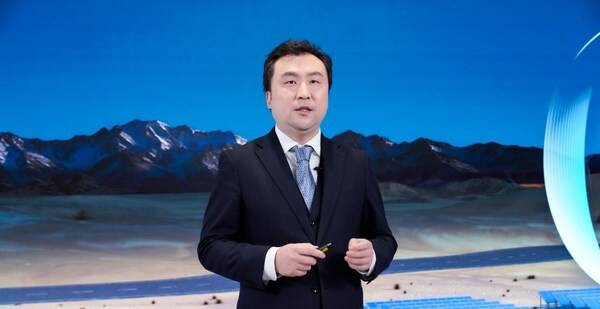
Core Insights - Huawei's Vice President of Digital Energy Smart Photovoltaic Business, Zhong Mingming, released the "Top Ten Trends in Smart Photovoltaics" and a white paper, providing insights and practical paths for accelerating the integration of wind, solar, and storage into the new power system, aiming for high-quality industry development [1] Group 1: Trends Overview - Trend 1: The synergy of wind, solar, and storage will make renewable energy a predictable and controllable stable power source, requiring five core features for future large-scale wind-solar-storage bases [2] - Trend 2: Network-based energy storage will become a key support for grid stability and balance, enabling participation in energy market transactions and providing auxiliary services [3] - Trend 3: The collaborative model of source, grid, load, and storage will evolve towards "regional autonomy + global collaboration" through AI intelligent scheduling technology [3] Group 2: Technological Innovations - Trend 4: Home solar storage scenarios will transition from AI empowerment to AI-native, enhancing user experience through comprehensive AI integration [5] - Trend 5: High frequency and high density will drive continuous improvements in power density of solar storage devices, with expectations of over 40% enhancement in the coming years [6] - Trend 6: High voltage and high reliability will lead to a continuous reduction in the cost per kilowatt-hour, with upgrades in key components ensuring safety and reliability [8] Group 3: System Management and Safety - Trend 7: Battery management at the system level is essential for the safe and stable operation of energy storage systems, utilizing digital technologies for precise monitoring [9] - Trend 8: The technology system for renewable energy networks is maturing, transitioning from passive to active roles in grid stability, focusing on high-performance hardware and intelligent algorithms [10] - Trend 9: Intelligent systems will deeply empower renewable energy stations, moving towards "autonomous driving" capabilities [11] - Trend 10: The energy storage industry is entering a new phase of quantifiable safety, with systematic assessments covering the entire lifecycle of systems [12]

华为发布2026智能光伏十大趋势 助力光风储成为主力电源
Huan Qiu Wang Zi Xun· 2026-01-13 04:33
Core Viewpoint - Huawei Digital Energy held a conference to discuss the "Top Ten Trends in Intelligent Photovoltaics for 2026," emphasizing the acceleration of wind-solar-storage systems becoming the main power source for new energy systems, aiming for high-quality development in the industry [1][17]. Group 1: Trends in Intelligent Photovoltaics - The past decade has seen significant growth in the wind-solar-storage industry, but increasing penetration of renewable energy has led to balance and stability issues in power systems, marking a transition into a "value cultivation period" [3]. - The top ten trends include four application trends and six technology trends, with the first trend focusing on the collaboration of wind-solar-storage systems to create a predictable and controllable stable power source [3][5]. - The second trend highlights the omnipresence of grid-forming energy storage as a key support for grid stability and balance, enabling participation in energy market transactions and providing auxiliary services [6]. - The third trend discusses the collaborative supply model of source, grid, load, and storage, moving towards "regional autonomy + global collaboration" [7]. - The fourth trend emphasizes the transition of home energy storage scenarios from AI empowerment to AI-native, enhancing user experience through optimal electricity usage strategies [9]. - The fifth trend indicates a push for higher frequency and density in energy storage devices, with expectations of over 40% improvement in power density for photovoltaic inverters and storage systems in the coming years [11]. - The sixth trend focuses on high voltage and reliability, which will lead to a significant reduction in the cost per kilowatt-hour of photovoltaic systems [12]. - The seventh trend stresses the importance of system-level battery management for the safe and stable operation of energy storage systems [13]. - The eighth trend notes the maturation of new energy grid-forming technology, transitioning from passive to active roles in grid stability [14]. - The ninth trend involves the integration of intelligent systems into renewable energy plants, moving towards "autonomous operation" [15]. - The tenth trend addresses the shift towards quantifiable safety standards in the energy storage industry, enhancing safety capabilities through systematic evaluations [16].
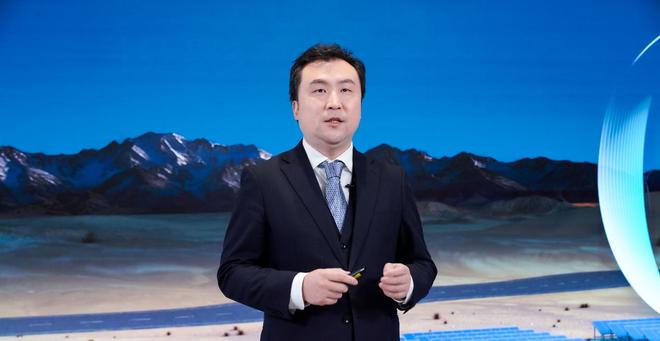
华为发布2026智能光伏十大趋势:构网型储能无处不在
中关村储能产业技术联盟· 2026-01-13 03:49
Core Viewpoint - Huawei Digital Energy emphasizes the acceleration of solar, wind, and storage (光风储) to become the main power source in the new energy system, highlighting the importance of AI and innovative technologies in achieving high-quality development [2][21]. Group 1: Industry Trends - The solar, wind, and storage industry has experienced significant growth over the past decade, but faces stability issues as renewable energy penetration increases, marking a transition into a "value cultivation period" [3]. - The future of large-scale solar, wind, and storage bases must focus on two pillars: stability and cost control, along with three key elements: 100% renewable independent operation, intelligent collaboration across the entire chain, and high-quality safety throughout the lifecycle [6]. - The ten trends in smart photovoltaics include four application trends and six technology trends, which provide insights and practical paths for the industry [3][4]. Group 2: Application Trends - Trend 1: Networked storage will become a key support for grid stability and balance, enabling participation in energy market transactions and providing auxiliary services [7]. - Trend 2: Collaborative supply models will evolve towards "regional autonomy + global collaboration" [8]. - Trend 3: Home energy storage will transition from AI empowerment to AI-native, enhancing user experience [11]. Group 3: Technology Trends - Trend 4: High frequency and density will drive continuous improvement in power density of solar storage devices, with expectations of over 40% enhancement in the coming years [12][14]. - Trend 5: High voltage and reliability will lead to a reduction in the cost per kilowatt-hour, with advancements in key components and proactive safety measures [15]. - Trend 6: System-level battery management is essential for the safe and stable operation of storage systems, utilizing digital technologies for precise monitoring [16]. Group 4: Safety and Maturity - Trend 7: The technology system for renewable energy networking is maturing, transitioning from passive to active roles in grid stability [17]. - Trend 8: Intelligent systems will empower renewable energy plants, moving towards "autonomous driving" capabilities [18]. - Trend 9: The storage industry is entering a new phase of quantifiable safety, addressing industry pain points through systematic safety evaluations [19][20].
许继电气:公司与华为数字能源技术有限公司签署的合作意向协议为合作框架协议,目前不涉及具体的合作项目
Mei Ri Jing Ji Xin Wen· 2025-12-18 15:16
Core Viewpoint - The company has signed a cooperation framework agreement with Huawei Digital Energy Technology Co., Ltd., focusing on smart photovoltaic, energy storage, and data center energy sectors, but specific projects are not yet defined [2] Group 1 - The cooperation agreement is a framework agreement, indicating a preliminary stage of collaboration [2] - The main areas of intended cooperation include smart photovoltaic, energy storage, and data center energy [2] - Currently, there are no specific projects involved in the cooperation [2]

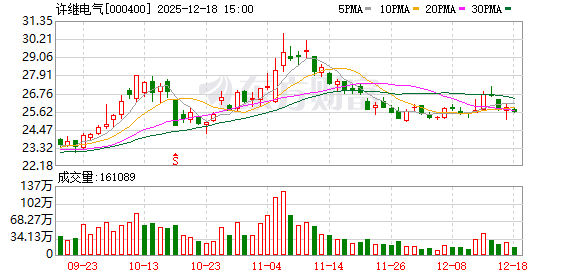
许继电气:与华为数字能源技术公司签署的合作意向协议为合作框架协议
Zheng Quan Shi Bao Wang· 2025-12-18 13:32
Core Viewpoint - XJ Electric (000400) has signed a framework cooperation agreement with Huawei Digital Energy Technology Co., Ltd., focusing on areas such as smart photovoltaics, energy storage, and data center energy, without involving specific projects at this stage [1] Group 1 - The cooperation agreement is described as a letter of intent, indicating a preliminary stage of collaboration [1] - The main areas of potential collaboration include intelligent photovoltaics, energy storage, and energy solutions for data centers [1]
华为数字能源与BayWa r.e.签署深化战略合作协议
Bei Jing Shang Bao· 2025-09-26 13:12
Core Insights - Huawei Digital Energy and BayWa r.e. Solar Trade signed a new ten-year strategic cooperation agreement on September 25 in Dongguan [1] - The collaboration will focus on smart photovoltaics, grid-based energy storage, and transportation electrification [1] - The partnership aims to promote global energy structure transformation and intelligent upgrades [1]
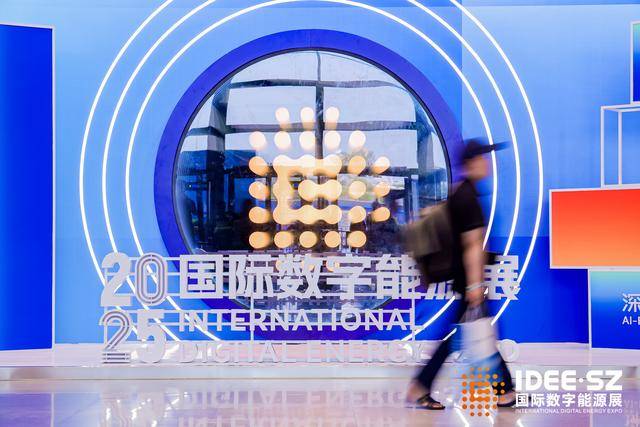
AI赋能能源,数字驱动未来!2025国际数字能源展在深圳启幕
Sou Hu Cai Jing· 2025-09-19 17:16
Core Insights - The 2025 International Digital Energy Exhibition opened in Shenzhen, focusing on global energy digital transformation, featuring over 2,000 companies from more than 50 countries and showcasing over 300 cutting-edge technologies [1][3] Group 1: Event Overview - The exhibition covers a total area of 50,000 square meters, emphasizing the "source-network-load-storage" full-chain upgrade logic and establishing seven thematic exhibition areas [9] - The event aims to provide a "China solution" and a "Shenzhen model" for the global energy revolution [1] Group 2: Technological Innovations - Shenzhen has achieved full electrification of public transport and has built a charging network denser than traditional gas stations, showcasing its innovative energy infrastructure [3] - Huawei introduced a full-scenario networking technology that addresses the stability challenges of high renewable energy integration into the grid, validated in global projects [6] - BYD launched a new generation of energy storage products with a unit capacity of 14.5 MWh, achieving a volume capacity density increase of 51.4% [6][7] Group 3: Industry Leadership and Collaboration - The event featured a platform for leading companies to showcase innovations, including smart networking, new energy storage, and solar thermal innovations [6][9] - The China Electricity Council emphasized the deep integration of digital technology and energy revolution as a new engine for global economic growth [5] Group 4: International Cooperation - The exhibition facilitated international exchanges and collaborations, attracting numerous foreign enterprises and establishing an international business matching area [13] - The event highlighted China's transition from a "technology follower" to a "rule maker" in the global energy governance system [13][15] Group 5: Future Directions - The Shenzhen Digital Energy White Paper outlines the path to becoming a global digital energy pioneer city, focusing on six key areas including "source-network-load-storage-carbon" [7] - The exhibition will host seven parallel forums covering various topics related to digital energy, fostering industry insights and solutions [14]