
新能源汽车火灾责任认定

Search documents
谁该为理想MEGA起火事故负责?律师详解→
Di Yi Cai Jing· 2025-10-30 11:28
Core Insights - A recent fire incident involving a Li Auto MEGA has raised public concerns regarding battery safety, specifically focusing on the vehicle's use of ternary lithium-ion batteries supplied by CATL [2] - The complexity of determining responsibility in electric vehicle fire incidents is highlighted, as it involves multiple factors including battery defects, battery management system failures, and user behavior [3][4] Group 1: Battery Safety and Responsibility - The Li Auto MEGA utilizes ternary lithium-ion batteries produced by CATL, with the battery assembly being handled by a wholly-owned subsidiary of CATL [2] - Responsibility for battery-related incidents is not straightforward, as it involves a multidisciplinary approach encompassing electrochemistry, materials science, and electronic engineering [3] - Factors contributing to battery thermal runaway include internal defects, external impacts, and charging management issues, necessitating professional third-party assessments for accurate responsibility attribution [3] Group 2: Legal and Consumer Rights - In legal terms, manufacturers may face product liability, while sellers could encounter both liability and breach of contract issues, especially if they knowingly sell defective products [4] - Consumers experiencing vehicle fires should focus on building a robust evidence chain, including official documents from fire departments and traffic authorities, as well as video evidence of the incident [4][5] - Multiple avenues for consumer redress are available, including legal action for compensation, insurance claims, and complaints to regulatory bodies [5]



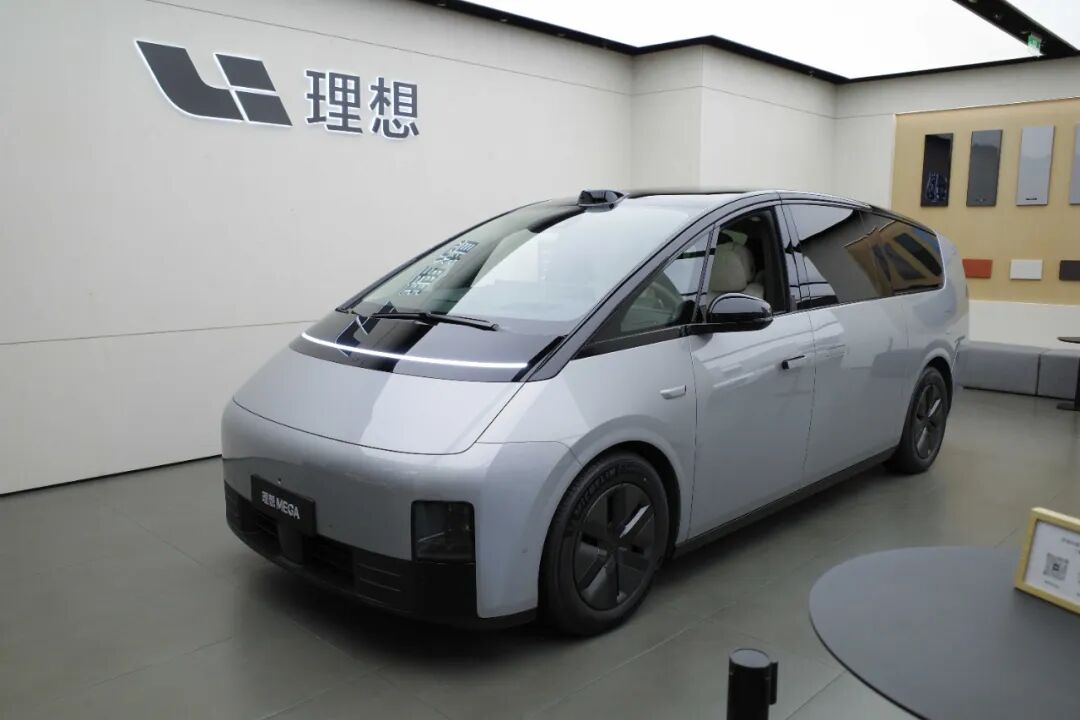
谁该为理想MEGA起火事故负责?律师详解→
第一财经· 2025-10-30 10:13
Core Viewpoint - The recent fire incident involving the Li Auto MEGA has reignited public concerns regarding battery safety, particularly focusing on the role of battery suppliers like CATL in such events [3][4]. Group 1: Incident Overview - The Li Auto MEGA utilizes a ternary lithium-ion power battery supplied by CATL, which is a major player in the battery industry [3]. - The incident has raised questions about the responsibility for electric vehicle fires, which is not straightforward and involves multiple factors [4]. Group 2: Responsibility and Legal Implications - Determining responsibility for battery-related fires is complex, involving various disciplines such as electrochemistry and materials science [4]. - Factors contributing to battery thermal runaway may include internal defects, battery management system failures, external impacts, or charging management issues [4]. - Even if a battery defect is identified, the responsibility may still be ambiguous, involving potential design flaws from the battery manufacturer or integration issues from the vehicle manufacturer [5]. Group 3: Consumer Rights and Evidence Collection - Consumers facing vehicle fires should focus on building a robust evidence chain, including official documents like fire incident reports and traffic accident responsibility determinations [6]. - Key evidence includes video footage of the incident and documentation of damages or injuries, which are crucial for legal claims [6]. - Consumers can pursue multiple avenues for redress, including legal action against manufacturers, insurance claims, and complaints to regulatory bodies [6].
谁该为理想MEGA起火事故负责?律师详解➡
Di Yi Cai Jing· 2025-10-30 08:23
Core Viewpoint - The recent fire incident involving the Li Auto MEGA has raised significant concerns regarding battery safety, particularly focusing on the role of battery supplier CATL and the complexities of responsibility in electric vehicle fire incidents [1][2]. Group 1: Company Insights - Li Auto's MEGA utilizes a ternary lithium-ion battery supplied by CATL, highlighting the reliance on major battery manufacturers in the electric vehicle sector [1]. - CATL is identified as the sole producer of the battery cells for the Li Auto MEGA, with its subsidiary, Ningde Jiaocheng Times New Energy Technology Co., Ltd., responsible for the battery assembly [1]. Group 2: Industry Responsibility and Legal Framework - Determining responsibility in electric vehicle fire incidents is complex, involving multiple factors such as battery design, vehicle integration, and user behavior [2][3]. - Legal implications suggest that manufacturers may face product liability, while sellers could encounter both liability and breach of contract claims, especially if defects are knowingly sold [3]. - A thorough investigation by a professional third party is essential to ascertain the cause of battery failures and the associated responsibilities [2]. Group 3: Consumer Rights and Legal Actions - Consumers experiencing vehicle fires should focus on building a robust evidence chain, including official documents and video recordings, to support their claims [3][4]. - Multiple avenues for consumer redress exist, including legal action for product liability, insurance claims, and complaints to regulatory bodies [4].