旅游消费K型分化

Search documents
干掉泰国问鼎东南亚,越南旅游业这把赢麻了
3 6 Ke· 2026-01-14 02:57
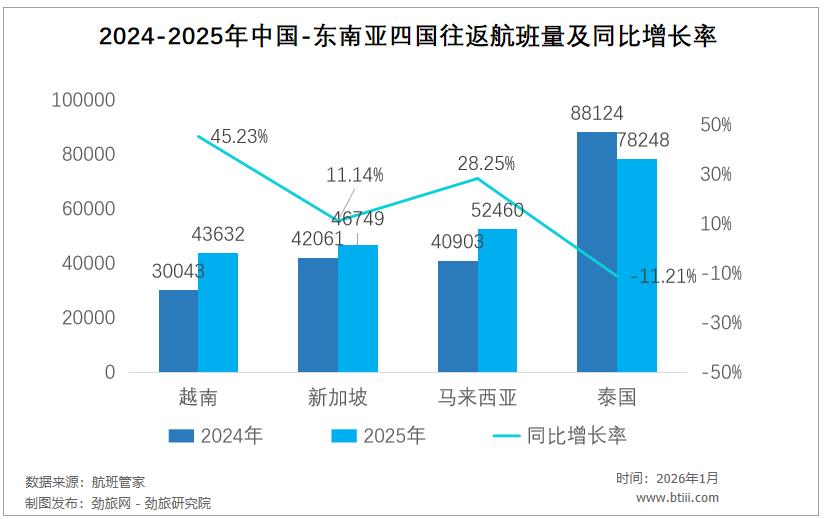
"越南干掉泰国成为东南亚接待中国游客最多国家"的新闻这两天在社交媒体上刷屏。 公开数据显示,2025年越南共计接待中国游客530万人次,同比暴涨41.3%。泰国共计接待中国游客447万人次,同比 暴跌33.6%。 越南和泰国这一上一下,不仅是名次的变化,更代表着东南亚出境游市场格局彻底重塑。 01 越南干掉泰国,劲旅君并不意外。 早在2025年一季度,越南就以160万人次中国游客的接待规模,悄然超越泰国的133万人次,并在随后三个季度一直保 持领先,最终在全年获得碾压式胜利。 很多人好奇,常年稳居头把交椅的泰国,怎么就在2025年急转直下,被越南干掉了呢? 事实上,这个中南半岛小霸王的异军突起,首先得益于一个重要因素:中越往返航班量爆发式增长。 众所周知,发展出境游的一大关键要素就是"航班量"。纵观2025年中国往返东南亚四个主要国家的航班量变化,越南 简直是一飞冲天。 来自航班管家数据显示,过往两年中国与泰国、马来西亚、新加坡和越南的航班量对比来看,越南并不占优势。尤其 是在2024年,中越之间全年往返航班量仅有3万班次,仅为同期中泰往返航班量的34%。 然而2025年中越往返航班量却直线上升,从3万班次猛 ...

2025,中国旅游消费彻底变了!
3 6 Ke· 2026-01-06 03:21
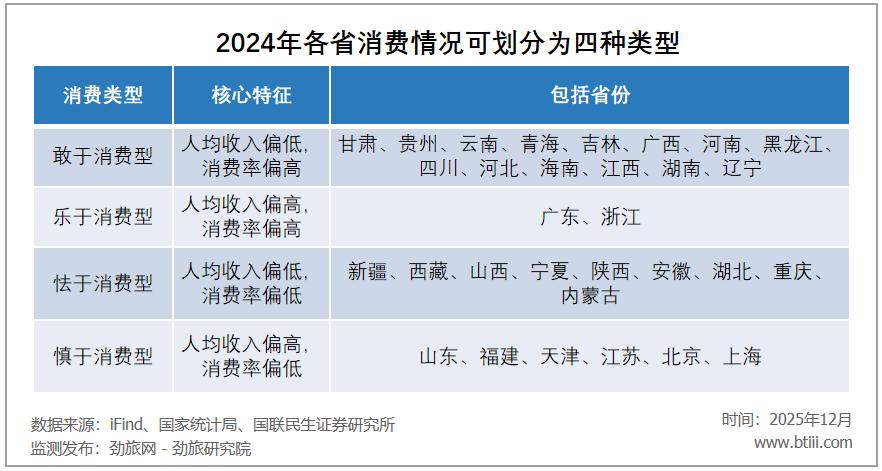
Core Insights - In 2025, domestic tourism consumption in China experienced an unexpected trend where major economic hubs like Beijing and Shanghai saw a decline in tourism spending, while economically lagging regions such as Northeast (Heilongjiang, Jilin, Liaoning), Northwest (Gansu, Qinghai), and Southwest (Yunnan, Guizhou) exhibited a surge in tourism spending [1][2][3] Group 1: Consumption Patterns - Beijing and Shanghai are categorized as "cautious consumption" regions, indicating that residents in these economically advanced cities are spending less on tourism compared to residents in less developed areas [1][2] - The report classifies provinces into four consumption types based on per capita income and consumption rates, revealing that lower-income regions are more willing to spend on tourism [1][2] Group 2: Economic Factors - High living costs and economic pressures in Beijing and Shanghai are leading residents to cut back on tourism budgets, despite a high demand for travel [2][3] - The economic restructuring in these cities has shifted resources towards new industries, resulting in a slower growth of local service industries, which negatively impacts tourism spending [3][4] Group 3: Tourism Trends - A notable trend in 2025 is the preference for camping over hotel stays, with tourists opting for high-cost performance experiences, indicating a shift towards value-driven consumption [9][10] - The K-shaped consumption differentiation highlights a divide where consumers seek either high emotional value experiences or high cost-performance options in tourism [9][10] Group 4: Policy Changes - Traditional tourism stimulus measures like free admission and consumption vouchers are losing effectiveness, prompting regions to explore new strategies such as school holidays and local cultural festivals to boost tourism [14][15] - The introduction of school autumn holidays in several cities has unexpectedly stimulated local tourism, demonstrating the potential of innovative holiday policies [15][19] Group 5: Cultural Influence - The rise of local intangible cultural heritage is becoming a significant driver of tourism consumption, with a notable increase in interest and participation in local cultural events and festivals [17][18] - The success of local cultural events indicates a shift in consumer interest towards unique, culturally rich experiences that enhance tourism spending [17][18]