无废城市

Search documents
福龙马:公司有关注到国家关于固体废物综合治理及“无废城市”建设的政策导向
Zheng Quan Ri Bao Wang· 2026-02-13 12:48
Core Viewpoint - The company, Fulongma (603686), is paying attention to national policies regarding solid waste management and the construction of "waste-free cities" [1] Group 1 - The company has acknowledged recent government policies related to comprehensive solid waste management [1] - The company indicated that its business layout and expansion efforts are aligned with these policy directions [1] - Investors are advised to refer to the company's disclosed announcements for detailed information on its business developments [1]

湖南军信环保股份有限公司(H0418) - 申请版本(第一次呈交)
2026-02-12 16:00
香港聯合交易所有限公司與證券及期貨事務監察委員會對本申請版本的內容概不負責,對其準確性或完整 性亦不發表任何意見,並明確表示概不就因本申請版本全部或任何部分內容而產生或因倚賴該等內容而引 致的任何損失承擔任何責任。 Hunan Junxin Environmental Protection Co., Ltd. 湖南軍信環保股份有限公司 (「本公司」) (於中華人民共和國註冊成立的股份有限公司) 的申請版本 警告 本申請版本乃根據香港聯合交易所有限公司(「聯交所」)與證券及期貨事務監察委員會(「證監 會」)的要求而刊發,僅用作提供資訊予香港公眾人士。 本申請版本為草擬本,其內所載資訊並不完整,亦可能會作出重大變動。 閣下閱覽本文件, 即代表 閣下知悉、接納並向本公司、本公司的聯席保薦人、顧問或包銷團成員表示同意: 倘於適當時候向香港公眾人士提出要約或邀請,有意投資者務請僅依據於香港公司註冊處處長 註冊的本公司招股章程作出投資決定;招股章程的文本將於發售期內向公眾刊發。 (a) 本文件僅為向香港投資者提供有關本公司的資料,概無任何其他目的;投資者不應根據 本文件中的資料作出任何投資決定; (b) 在聯交所網站登載 ...
这场大会,致敬时代工匠精神!
Xin Lang Cai Jing· 2026-02-11 01:37
Core Viewpoint - The event "Fifth China Construction Craftsmanship Heritage Tribute Ceremony" emphasizes the importance of craftsmanship spirit in transitioning China from a "building power" to a "strong building nation" [1][7][12] Group 1: Event Overview - The ceremony took place on February 10, organized by China Real Estate News and supported by the China Urban and Regional Governance Research Institute, marking a collective declaration of industry spirit [1][7] - Since its launch in September 2021, the initiative has sparked a wave of admiration for craftsmanship and the pursuit of excellence across the industry [1][7] Group 2: Keynote Speeches - Three architectural masters discussed the rich connotations of the craftsmanship spirit: - Zhao Yuanchao emphasized the need for architects to respond to contemporary demands while ensuring harmony between architecture, culture, and nature [2][9] - Xue Feng highlighted the shift from grand narratives to designing for individual experiences, advocating for human-centered, green, and intelligent design [2][9] - Zhou Qitai shared insights from the construction of the Marsfield Headquarters, showcasing the challenges faced and the innovative solutions developed, resulting in 45 patents [2][9] Group 3: Awards and Recognition - The ceremony featured the announcement of the "Fifth China Construction Craftsmanship Annual Person" award, recognizing twelve outstanding individuals from various fields, illustrating the evolution of Chinese construction [3][10] - Notable awardees included figures from engineering, cultural heritage protection, and research innovation, reflecting the diverse contributions to the industry [3][10] Group 4: Reflections from Awardees - Awardees shared their thoughts on the significance of craftsmanship: - Zhao Yuanchao likened himself to a diligent worker, emphasizing the collective effort of architects in upholding craftsmanship [4][10] - Xue Feng called for architects to engage more with communities and rural areas [4][10] - Wang Shiwei stressed the importance of integrating modern technology with traditional craftsmanship to preserve cultural heritage [4][10] - Du Xiangwan, awarded for his contributions to "zero waste cities," highlighted the need for sustainable urban solutions [4][11] Group 5: Industry Leaders' Insights - Industry leaders expressed their understanding of craftsmanship: - Wang Tieming noted the global impact of Chinese construction and the pride in the craftsmanship spirit [5][11] - Yang Baojun emphasized that craftsmanship is foundational to high-quality living, requiring beauty and emotional resonance in designs [5][11] - Li Mingan highlighted the importance of dedication in the high-quality development phase, advocating for the transmission of craftsmanship spirit [5][11] Group 6: Future Outlook - The event underscored a transformative shift in the construction industry, with craftsmanship spirit becoming integral to its development, propelling China towards becoming a strong building nation [5][12]
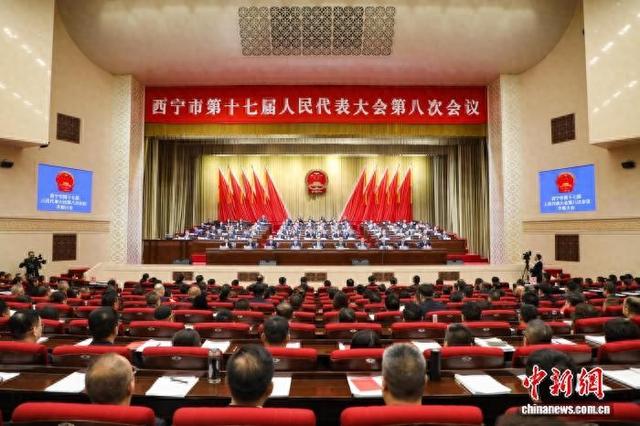
西宁2025年空气质量优良率达96.2%
Zhong Guo Xin Wen Wang· 2026-02-08 02:06
Core Viewpoint - The city of Xining, Qinghai Province, is making significant strides in environmental protection and green transformation, aiming for a high-quality ecological environment and sustainable development by 2026 [1][2]. Group 1: Environmental Initiatives - In 2025, Xining's air quality is projected to achieve a good days ratio of 96.2%, marking a historical high [1]. - The city invested 750 million yuan in ecological environment protection, exceeding land greening targets and achieving comprehensive standards for national botanical garden indicators [1]. - Xining has completed the remediation of 1,515 sewage outlets and established 18 adjusted drinking water source areas, ensuring stable water quality in controlled sections [1]. Group 2: Green Energy and Carbon Management - The Xining Economic and Technological Development Zone utilizes 90% clean energy for industrial electricity, with key enterprises meeting national energy efficiency benchmarks [1]. - The industrial added value per unit of energy consumption in Xining decreased by 7.1% [1]. - Xining has been selected as a national carbon peak pilot city, with the Nanchuan Industrial Park included in the first batch of zero-carbon park construction [1]. Group 3: Future Plans and Investments - In 2026, Xining plans to invest 600 million yuan in the Beautiful Blue Sky project and establish a dynamic monitoring system for water quality in river basins [2]. - The city aims to implement six major actions for carbon peak pilot city construction, including carbon emission budget management and green low-carbon energy transformation [2]. - Xining will create 10 zero-carbon scenario demonstration projects, transitioning all public transport to new energy sources [2].
高原城市十年蝶变 五大提升绘就新卷
Xin Lang Cai Jing· 2026-02-06 17:53
Core Insights - Qinghai has achieved significant urban development since the 2015 Central Urban Work Conference, with improvements in new urbanization, planning, governance, ecological environment, and cultural heritage [1][2] Group 1: Urbanization and Economic Growth - The urbanization rate in Qinghai increased by 13.56 percentage points over the past decade, narrowing the gap with the national urbanization rate to 3.14 percentage points [1] - The urban economy contributes 82% to the regional GDP, which has nearly doubled since 2015 [1] - The integration of the Lanzhi urban agglomeration and the Xining-Haidong metropolitan area is accelerating, with regional center cities growing and urbanization in county towns being addressed [1] Group 2: Infrastructure and Environmental Improvements - The total area of urban and county built-up areas reached 451.1 square kilometers, a 20.2% increase since 2015 [1] - The urban sewage treatment rate is at 96.09%, and major cities have eliminated black and odorous water bodies [2] - The green coverage rate in urban areas is 36.71%, promoting a lifestyle where citizens frequently encounter greenery [2] Group 3: Cultural Heritage and Community Development - Qinghai has established a comprehensive system for the protection and transmission of urban and rural historical culture, including various national and provincial historical cultural cities and villages [2] - Significant improvements in living conditions have been made for nearly 500,000 residents through the renovation of old urban communities and shantytowns [2]
高标准打好污染防治攻坚战
Xin Lang Cai Jing· 2026-02-06 00:21
Group 1 - The air quality in Yushu Tibetan Autonomous Prefecture is continuously improving and remains among the best in the province, with significant achievements in the prevention and control of air, water, and soil pollution [1] - The ecological environment quality is being enhanced through multi-department collaboration, cross-regional coordination, and specialized measures, adhering to a strict principle of "can only improve, cannot worsen" [1] Group 2 - The ecological environment comprehensive law enforcement team has completed on-site inspections of 45 coal-fired boiler points and 20 vehicle inspection companies, establishing a closed-loop rectification mechanism for identified issues [2] - Joint enforcement actions with public security departments have been conducted to regulate vehicle emissions, utilizing CMA testing reports for comprehensive monitoring of illegal vehicles [2] - Water pollution prevention efforts have led to the inspection of 257 pollution discharge outlets, with 234 already rectified, and 100% compliance in water quality standards for surface water and drinking water sources [2] - The soil pollution prevention measures are showing steady results, with a solid waste special rectification plan issued for 2025-2027, and no heavy metal pollution in agricultural land, maintaining a "clean soil" status [2]
青海省会西宁2025年空气质量优良率达96.2%
Xin Lang Cai Jing· 2026-02-05 14:04
Core Viewpoint - The government of Xining aims to enhance air quality and ecological environment through various initiatives, targeting a 96.2% good air quality days ratio by 2025, alongside significant investments in environmental protection and green transformation projects [1][3][5]. Group 1: Environmental Initiatives - Xining has invested 750 million yuan in ecological environment protection over the past year, exceeding land greening targets and achieving comprehensive standards for national botanical garden indicators [3]. - The city has completed the remediation of 1,515 sewage outlets and designated 18 town water source areas, ensuring stable water quality for drinking sources and national control sections [3]. - Xining's industrial sector has made strides in green transformation, with 90% of industrial electricity sourced from clean energy and a 7.1% reduction in energy consumption per unit of industrial added value [5]. Group 2: Future Plans - By 2026, Xining plans to continue implementing the "Three North" project and expand public ecological spaces, including pocket parks and greenhouse projects in botanical gardens [5]. - An investment of 600 million yuan will be allocated for the "Beautiful Blue Sky" project, which includes establishing a dynamic monitoring system for water quality and upgrading sewage treatment facilities [5]. - The city will promote carbon peak pilot city construction and implement six major actions for green low-carbon energy transformation, including the establishment of ten zero-carbon demonstration projects [7].

从“垃圾围城”到“化废为宝”:北京垃圾处理蝶变记
Xin Hua Wang· 2026-02-05 09:41
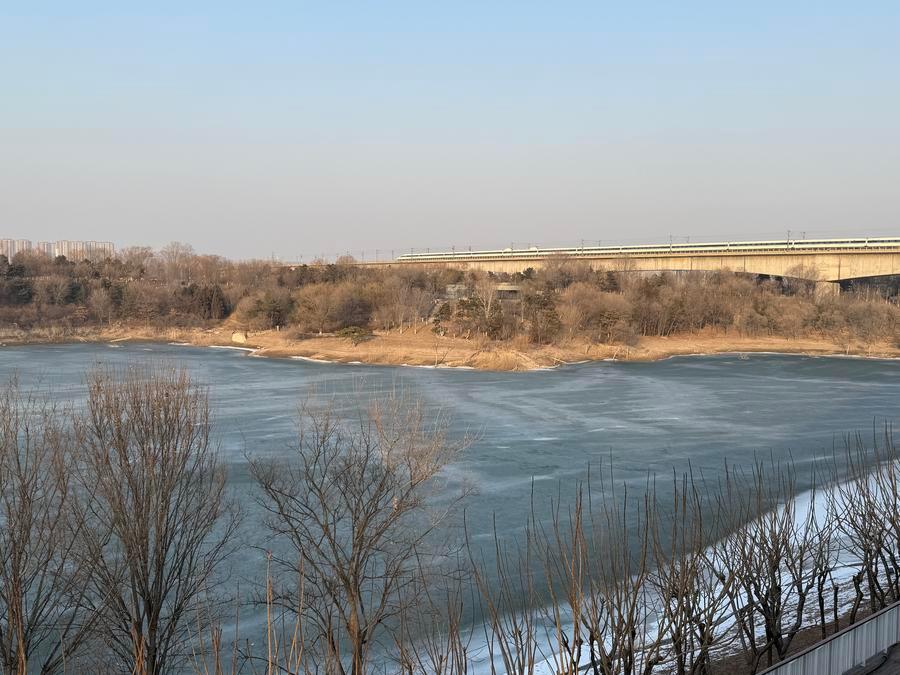
Core Viewpoint - The transformation of waste management in Beijing reflects a significant shift from traditional landfill practices to innovative waste-to-energy solutions, contributing to the city's goal of becoming a "zero waste city" by the end of 2024 [9] Group 1: Historical Context - In the 1980s, Beijing faced severe environmental challenges due to increasing urban waste, primarily managed through open dumping, which hindered urban development [4] - Prior to the construction of the Beijing Garden Expo Park, the area was filled with construction debris and sand pits, contributing to dust storms in the region [4] Group 2: Waste Management Innovations - The Beijing Garden Expo Park underwent a transformation where millions of tons of construction waste were repurposed for landscaping, creating a stable ecosystem through the planting of aquatic and near-natural vegetation [4] - The Beishenshu Sanitary Landfill has processed over 7 million tons of waste, transitioning from a landfill to an ecological green space through stabilization and landscaping projects [6] Group 3: Advanced Waste-to-Energy Solutions - The Daxing District's Anding Circular Economy Park is the largest waste incineration power project in Beijing, capable of processing 5,100 tons of waste daily and generating 659 million kWh of electricity annually [7] - The facility employs advanced technologies to ensure emissions meet or exceed national and EU standards, while also enabling the recovery of valuable metals and materials from incineration residues [7] Group 4: Future Goals and Vision - By the end of 2024, Beijing aims to achieve zero landfill of municipal waste, shifting the role of landfills to a backup function while enhancing waste incineration and resource utilization [9] - The ongoing changes in waste management reflect a broader commitment to harmonizing urban development with environmental sustainability in Beijing [9]
立建环境“收集+延伸服务” 新模式显成效
Xin Lang Cai Jing· 2026-02-04 17:28
Core Insights - The company, Lijian Environment, is actively addressing the challenges of hazardous waste management for small and micro enterprises, which often struggle with compliance due to limited resources and expertise [1][3]. Group 1: Company Overview - Lijian Environment was established in August 2020 and is one of the first companies in Quzhou to obtain a permit for centralized collection, storage, and transportation of hazardous waste for small and micro enterprises [1]. - In 2025, the company is set to handle a total of 1,665.8 tons of hazardous waste, with approximately 20% of this amount being utilized for resource recovery [1]. Group 2: Service Model - The company has innovated its service model from traditional "transportation + disposal" to a comprehensive "one-stop service" that includes contract signing, on-site assistance, standardized storage, timely collection, and systematic reporting [2]. - This model significantly reduces compliance costs and management burdens for small and micro enterprises [2]. Group 3: Extended Services - Lijian Environment provides third-party operational services for hazardous waste management, including on-site guidance for standardized construction, having assisted in the construction and renovation of over 200 temporary storage facilities [3]. - The company has conducted over 600 service visits in 2025, offering continuous training and support to enhance the environmental awareness and self-management capabilities of small enterprises [3]. Group 4: Waste Classification and Disposal - The company acts as a "transit hub," classifying collected hazardous waste according to the principles of prioritizing resource recovery and ensuring safe disposal [4]. - Waste materials such as packaging waste, spent activated carbon, and waste oil are sent to qualified companies for resource recovery, while hazardous substances like organic solvents and arsenic-containing sludge are safely disposed of by certified units [4]. - Lijian Environment has received a "green code" rating for four consecutive years in provincial evaluations of small waste collection units, showcasing its effective practices [4].
中国垃圾真不够烧了
投资界· 2026-02-04 08:16
Core Viewpoint - The article discusses the transformation of waste management in China, highlighting the shift from viewing waste as a burden to recognizing it as a resource, particularly in the context of waste incineration and solid waste management [4][21]. Group 1: Waste Management Evolution - The article notes that many incineration plants in China are now facing a shortage of waste to process, indicating a significant shift from the previous "garbage mountain" scenario [4][12]. - Shenzhen has become a pioneer in waste management, achieving full incineration of classified household waste and initiating large-scale waste remediation projects [7][11]. - The article emphasizes the historical context of waste management in China, detailing the rapid growth of incineration facilities from 67 in 2005 to 1,010 by 2023, with incineration capacity increasing from under 30,000 tons per day to 1.11 million tons per day [11][12]. Group 2: Current Challenges - Despite advancements, the article highlights that the waste incineration industry is now experiencing overcapacity, with many facilities operating below their designed capacity [12][13]. - The average utilization rate of incineration plants in 2024 is reported to be around 60%, with some regions experiencing competition for limited waste resources [12][14]. - The article points out that while household waste management has improved, other solid waste categories, such as industrial and construction waste, remain significant challenges [14][15]. Group 3: Future Directions - The article outlines China's new "Solid Waste Comprehensive Governance Action Plan," which aims to address the entire spectrum of solid waste management, with specific targets for reducing landfill use and increasing recycling rates by 2030 and 2035 [18][19]. - The plan includes ambitious goals such as achieving a 60% coverage of "waste-free cities" by 2027 and a comprehensive utilization of 4.5 billion tons of solid waste annually by 2030 [19][20]. - The article concludes that the approach to waste management is evolving from end-of-pipe solutions to a more integrated resource management strategy, emphasizing the importance of viewing waste as a resource rather than a burden [21].