无资金支持的财政刺激

Search documents
贝森特称日债抛售波及美债、已与日本对口官员沟通,日财相呼吁市场冷静
Xin Lang Cai Jing· 2026-01-20 23:46
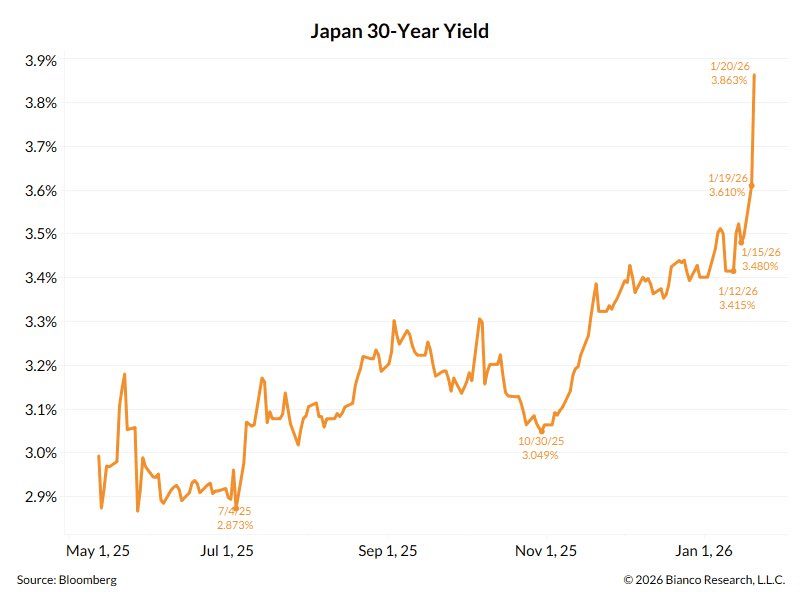
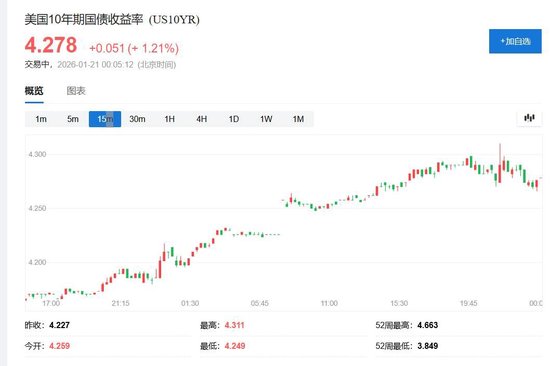
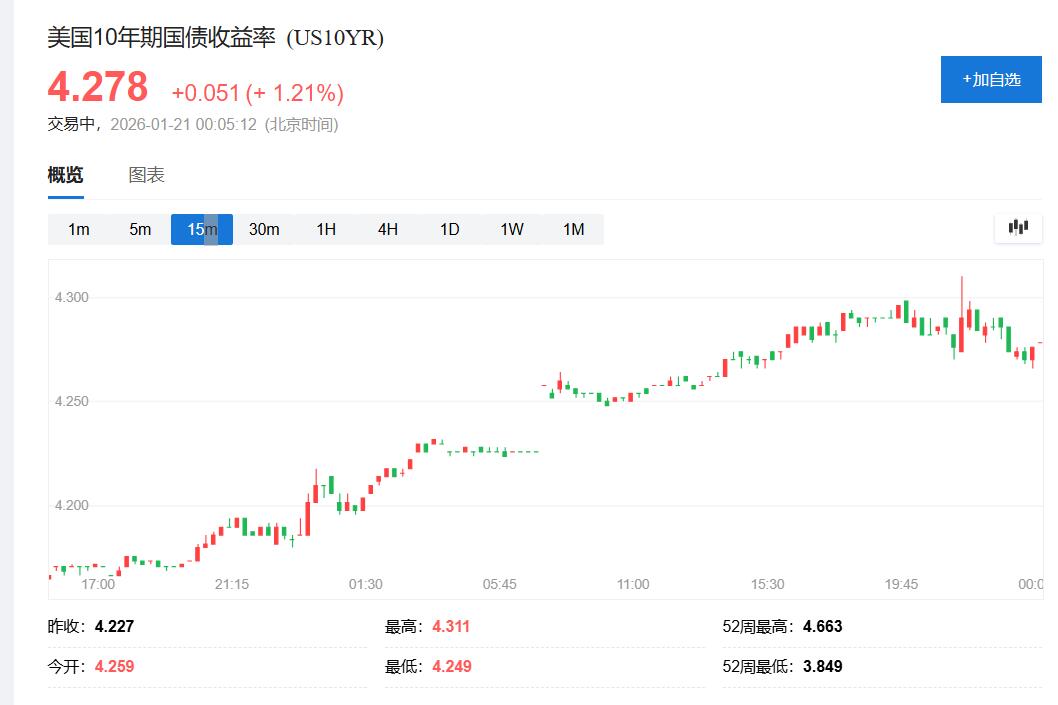
当地时间20日周二,日本债市遭遇出现交易员口中"近年来最混乱交易日",日本30年期和40年期国债的 收益率均飙升逾25个基点,创自2025年4月特朗普政府公布所谓"对等关税"震动全球市场以来的最大波 动幅度。 贝森特将周二美国国债的价格下跌部分归因于日本债市的"溢出效应"。曾有数十年对冲基金经理生涯的 贝森特表示,日本债券市场出现了"六个标准差"的波动幅度。 美东时间周二美股盘前,美国10年期国债收益率日内升约6个基点至4.29%,周二欧股盘中曾升破 4.31%,触及2025年8月以来最高水平。 贝森特在瑞士达沃斯参加世界经济论坛间隙接受媒体采访时表示:"我一直与日本方面负责经济事务的 对口官员保持沟通,我相信他们会开始发表一些能够安抚市场的言论。" 日本财务大臣片山皋月同日的 确呼吁市场参与者保持冷静。 日本财相称对发债依赖度30年来最低 政府考虑减税举措 华尔街见闻 日本财务大臣片山皋月周二在达沃斯世界经济论坛期间对媒体表示,"自去年10月以来,我们的财政政 策始终负责且可持续,并非扩张性政策,数据也清楚地表明了这一点。" 贝森特将周二美债下跌部分归咎于日本债市的"溢出效应",称日本债市出现了"六个标准差 ...

贝森特称日本国债抛售潮波及美债市场,已与日方对口官员沟通
Hua Er Jie Jian Wen· 2026-01-20 16:19
美国财政部长贝森特表示,日本国债的抛售潮已经波及到美国国债市场,他已与日本的对口官员进行交谈。这一表态凸显了全球债券市场的连锁反应 风险,以及主要经济体财政政策对跨境资本流动的影响。 当地时间20日周二,日本债市遭遇出现交易员口中"近年来最混乱交易日",日本30年期和40年期国债的收益率均飙升逾25个基点,创自2025年4月特朗 普政府公布所谓"对等关税"震动全球市场以来的最大波动幅度。 贝森特将周二美国国债的价格下跌部分归因于日本债市的"溢出效应"。曾有数十年对冲基金经理生涯的贝森特表示,日本债券市场出现了"六个标准 差"的波动幅度。 美东时间周二美股盘前,美国10年期国债收益率日内升约6个基点至4.29%,周二欧股盘中曾升破4.31%,触及2025年8月以来最高水平。贝森特在瑞士 达沃斯参加世界经济论坛间隙接受媒体采访时表示:"我一直与日本方面负责经济事务的对口官员保持沟通,我相信他们会开始发表一些能够安抚市场 的言论。" 日债抛售引发市场恐慌 评论认为,本次日本7.6万亿美元债券市场的抛售开始来得缓慢,然后似乎骤然间全面爆发。虽然日本财政状况面临的担忧已经酝酿数周,但市场在周 二下午几乎毫无预警地突然沸 ...
日债史诗级崩盘,华尔街:日本央行要“紧急救市”了?
Hua Er Jie Jian Wen· 2026-01-20 09:03
Core Viewpoint - Japan's bond market is experiencing a historic sell-off, with long-term bond yields reaching record levels due to investor fears over Prime Minister Fumio Kishida's aggressive fiscal expansion plans and the associated inflation risks [1][4]. Group 1: Bond Market Dynamics - The 30-year Japanese government bond yield rose by 26.5 basis points to 3.875%, while the 40-year yield increased by 27 basis points to 4.215%, both hitting all-time highs [1]. - The sell-off was triggered by the government's promise to cut food consumption tax without specifying funding sources, raising concerns about fiscal discipline and government spending [1][5]. Group 2: Market Reactions and Implications - The bond market turmoil is affecting stock and foreign exchange markets, putting significant pressure on the Bank of Japan [4]. - Analysts suggest that the Bank of Japan may need to accelerate interest rate hikes or initiate emergency bond purchases to stabilize the market [4][6]. Group 3: Fiscal Policy Concerns - The current market turmoil is driven by fears of "unfunded fiscal stimulus," with analysts noting a lack of clarity on how the proposed tax cuts will be financed [5]. - The market's reaction indicates confusion and surprise over the government's announcement, leading to uncontrolled rises in interest rates [5]. Group 4: Monetary Policy Challenges - The prevailing fiscal situation is perceived as making the Bank of Japan's monetary policy too loose, with calls for more aggressive rate hikes [7]. - Current market pricing suggests that two rate hikes are insufficient, with some analysts arguing that four hikes may be necessary given the inflation rate of 3% and wage growth of 5% [7].