日本军国主义抬头

Search documents
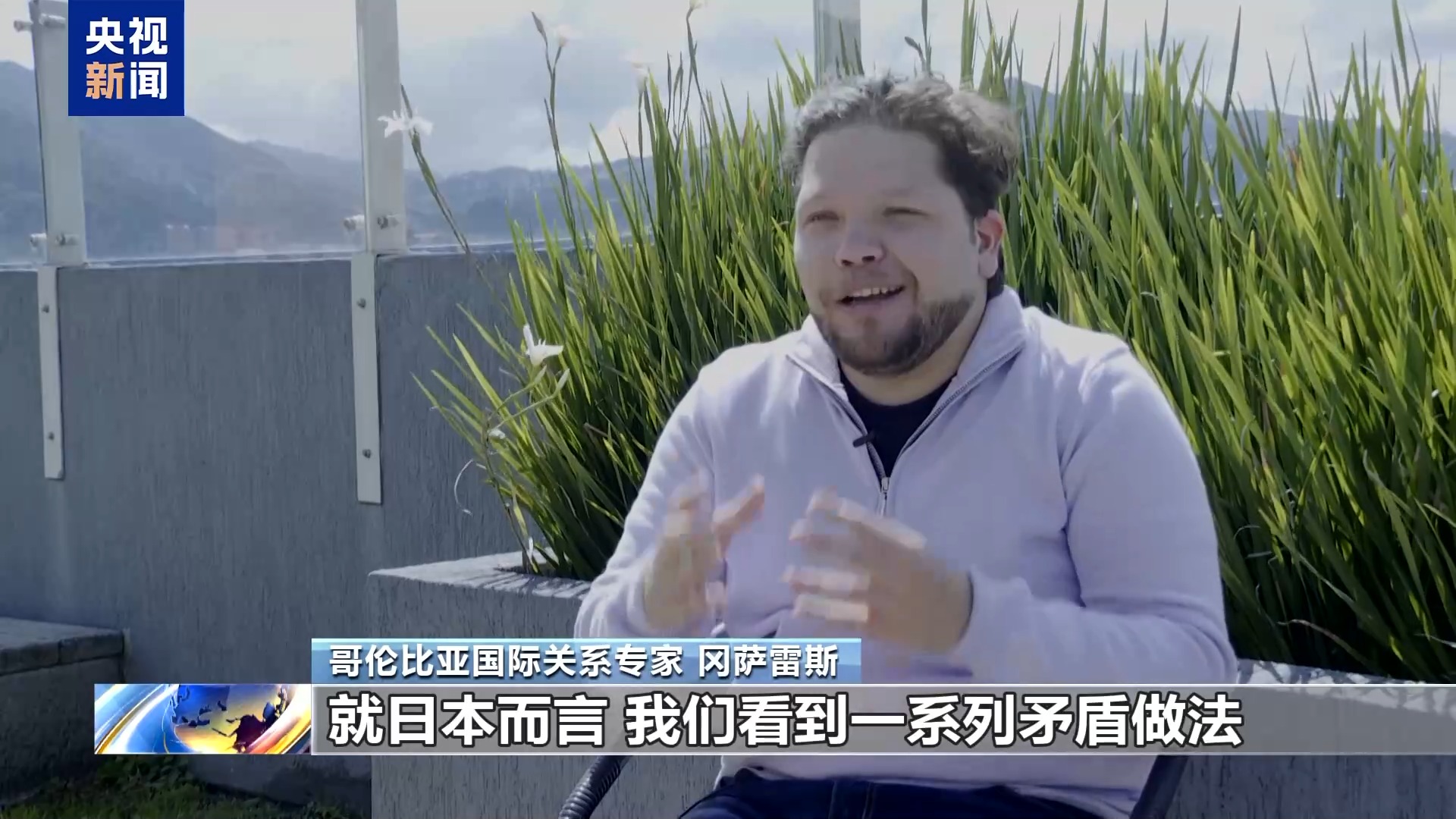
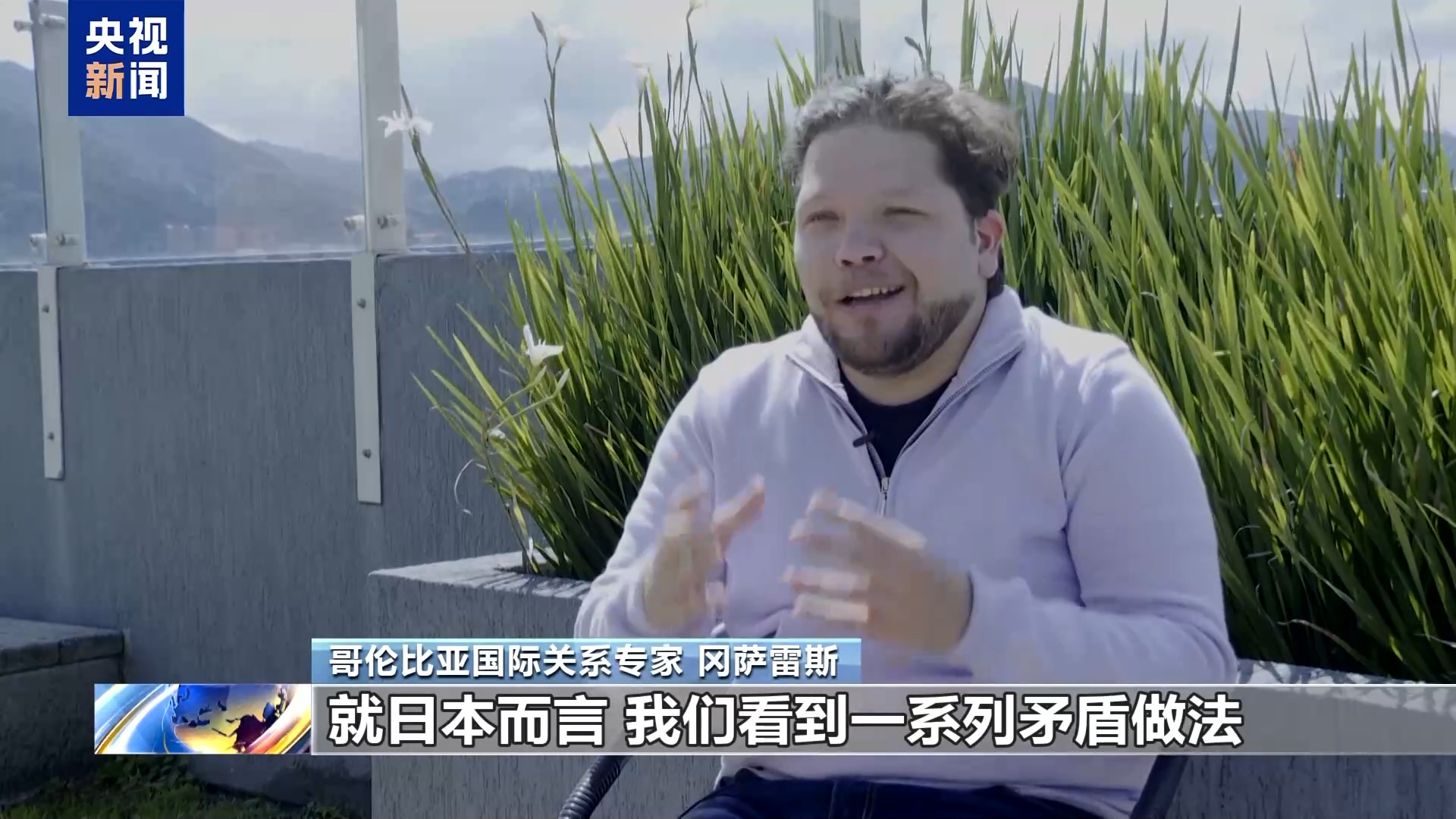
视频丨国际人士:国际社会应警惕日本军国主义抬头
Yang Shi Xin Wen Ke Hu Duan· 2025-12-31 02:09
Core Viewpoint - The recent actions and statements by Japanese Prime Minister Fumio Kishida are seen as a threat to regional and global stability, raising concerns about the resurgence of militarism in Japan [1][3][5] Group 1: Militarization and Foreign Policy - Japan appears to be utilizing militarization as a tool under the guise of "legitimate self-defense," integrating it into its foreign policy framework [1] - Recent statements from Japan contradict its "Three Non-Nuclear Principles," which advocate for not possessing, producing, or introducing nuclear weapons, potentially worsening regional security [3] Group 2: Populism and Militarism - The Japanese government is perceived as attempting to revive dormant populism and militarism, which could be detrimental to global stability and reflects a high level of irresponsibility in the current geopolitical climate [5] - The shift towards a confrontational stance may lead to dangerous regional imbalances, increasing the risk of violent conflicts that are undesirable for all parties involved [5]

国际人士:国际社会应警惕日本军国主义抬头
Yang Shi Xin Wen· 2025-12-31 00:19
Group 1 - The core viewpoint is that Japanese Prime Minister Fumio Kishida's recent actions and statements are undermining regional and global stability, raising concerns about the resurgence of Japanese militarism [1] - International experts warn that Japan is increasingly militarizing its foreign policy under the guise of "legitimate self-defense," which could disrupt international order, particularly in the region [3] - There are contradictions in Japan's approach, especially regarding its "Three Non-Nuclear Principles," as recent statements contradict the policy of not possessing, producing, or introducing nuclear weapons, potentially worsening regional security [5] Group 2 - The Japanese government's attempts to revive populism and militarism are seen as extremely irresponsible and harmful to global stability, with the potential to create dangerous regional imbalances that could lead to violent conflicts [7]
高市早苗错误言论遭日本国内和国际人士的持续谴责
Yang Guang Wang· 2025-12-04 00:38
Group 1 - Japan's Prime Minister's remarks signal a dangerous rise in militarism, infringing on China's sovereignty and disrupting post-war international order [1] - The recent aggressive military expansion under the guise of "self-defense" poses risks to Japan's relations with neighboring countries, potentially leading to conflict [1] - Economic challenges in Japan, including rising prices and a depreciating yen, are exacerbated by the Prime Minister's controversial statements, threatening various sectors [1] Group 2 - Deterioration of Japan-China relations could lead to crises in Japan's tourism, dining, retail, and manufacturing industries, representing a significant threat to Japan's economic stability [2]
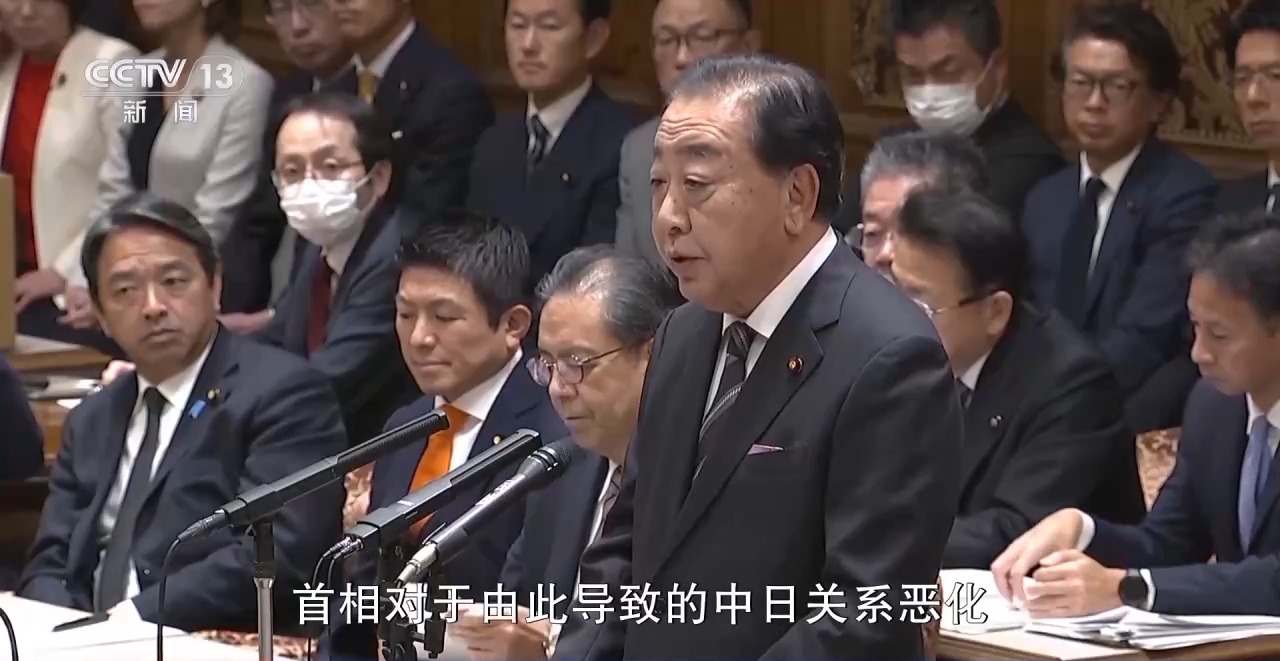
新闻周刊丨再问高市之“祸”:太平洋容不下军国主义的幽灵
Yang Shi Xin Wen Ke Hu Duan· 2025-11-30 02:55
Core Viewpoint - The recent political debate in Japan, particularly involving Prime Minister Kishi Sanae's comments on Taiwan, has raised significant concerns about Japan's political direction and its implications for Sino-Japanese relations [2][4][19]. Group 1: Political Context - Kishi Sanae's remarks regarding Taiwan being a "crisis for Japan's survival" have led to a deterioration in Sino-Japanese relations, prompting questions about her accountability for this shift [4][6]. - The debate highlighted a strategic ambiguity in Japan's political stance on Taiwan, with Kishi avoiding references to established political agreements between China and Japan [2][10]. - The opposition party, led by Noda Yoshihiko, has criticized Kishi's statements, indicating a potential political maneuvering rather than a straightforward confrontation [10][12]. Group 2: Reactions and Implications - Kishi did not retract her controversial statements but suggested they were spontaneous responses to specific situations, which has led to further speculation about her intentions [8][21]. - The use of the "San Francisco Peace Treaty" in her arguments has been deemed illegal and invalid, raising concerns about Japan's adherence to international agreements regarding Taiwan [23][25]. - Analysts suggest that Kishi's actions reflect a broader trend of rightward political shifts in Japan, with implications for national security and military policy [30][41]. Group 3: Military and Security Policy - Kishi's administration is pushing for an increase in defense spending and a revision of Japan's pacifist constitution, indicating a significant shift in Japan's military posture [35][41]. - The recent political developments have emboldened pro-independence sentiments in Taiwan, leading to increased military budgets and preparations in response to perceived threats from China [37][39]. - The Japanese government's recent decisions signal a departure from previous commitments to maintain a peaceful stance, raising alarms about a potential resurgence of militarism in Japan [45][50].