日中关系恶化

Search documents
高市早苗错误言论影响日本多个产业(国际视点)
Ren Min Ri Bao· 2026-01-15 22:11
Group 1: Tourism Industry Impact - The Japanese tourism industry is experiencing a significant decline due to a "cancellation wave" of Chinese tour groups, leading to a substantial drop in customer numbers for travel agencies targeting the Chinese market [1] - The president of Chazen Company reported that the number of Chinese clients has dropped to zero, indicating severe losses for businesses reliant on Chinese tourism [1] - JTB Travel Agency predicts a further decline in total inbound tourists to Japan by 2026 compared to 2025, primarily due to the decrease in Chinese visitors [1] Group 2: Retail Sector Decline - Retail sales in Japan are declining as the number of Chinese tourists visiting stores has decreased, with a reported 2.5% year-on-year drop in sales from foreign visitors in November 2025, amounting to approximately 50.2 billion yen [2] - Major department stores in Japan, including Mitsukoshi Isetan and Takashimaya, have reported significant declines in tax-free sales, with declines ranging from 11.1% to 35% for stores targeting Chinese customers [2] Group 3: Financial Market Reactions - Concerns over deteriorating Sino-Japanese relations have led to declines in stock performance, particularly in sectors like automotive and electronics, with significant sell-offs in semiconductor stocks that rely heavily on exports to China [3] - A potential year-long export control on rare earth materials could result in an estimated economic loss of about 2.6 trillion yen for Japanese companies, leading to a projected 0.43% decrease in Japan's annual GDP [3] Group 4: Broader Economic Concerns - Nearly 60% of respondents in a recent survey expressed that the deterioration of Sino-Japanese relations due to controversial statements by the Japanese Prime Minister would have negative impacts on the Japanese economy [3] - Business leaders from major economic groups in Japan have voiced their anxieties regarding the ongoing tensions and their potential impact on revenue for tourist destinations [3]
日本民众举行集会反对高市早苗错误言论
Yang Guang Wang· 2026-01-04 01:22
Core Viewpoint - The article highlights public opposition in Japan against the remarks made by Minister of State for Economic Security, Sanae Takaichi, and the perceived dangers of reviving militarism in Japan [1] Group 1: Public Sentiment - Participants in the rally expressed concerns that the Takaichi administration aims to lead Japan back to a militaristic path by promoting the notion of "Taiwan-related issues" [1] - There is a strong belief among the public that the Takaichi government, characterized as a right-wing regime, is escalating military spending, which is contributing to heightened tensions in the region [1] Group 2: Academic and Political Perspectives - Political analysts, including a professor from Sophia University, argue that Takaichi's statements are unimaginable from a constitutional perspective and call for the administration to resign before the situation worsens [1] - A member of the House of Representatives, Tomoko Tamura, emphasized that Takaichi's remarks have detrimental effects on Japan-China relations and that the ongoing military expansion contradicts the Japanese constitution [1]
高市早苗错误言论遭日本国内和国际人士的持续谴责
Yang Guang Wang· 2025-12-04 00:38
Group 1 - Japan's Prime Minister's remarks signal a dangerous rise in militarism, infringing on China's sovereignty and disrupting post-war international order [1] - The recent aggressive military expansion under the guise of "self-defense" poses risks to Japan's relations with neighboring countries, potentially leading to conflict [1] - Economic challenges in Japan, including rising prices and a depreciating yen, are exacerbated by the Prime Minister's controversial statements, threatening various sectors [1] Group 2 - Deterioration of Japan-China relations could lead to crises in Japan's tourism, dining, retail, and manufacturing industries, representing a significant threat to Japan's economic stability [2]
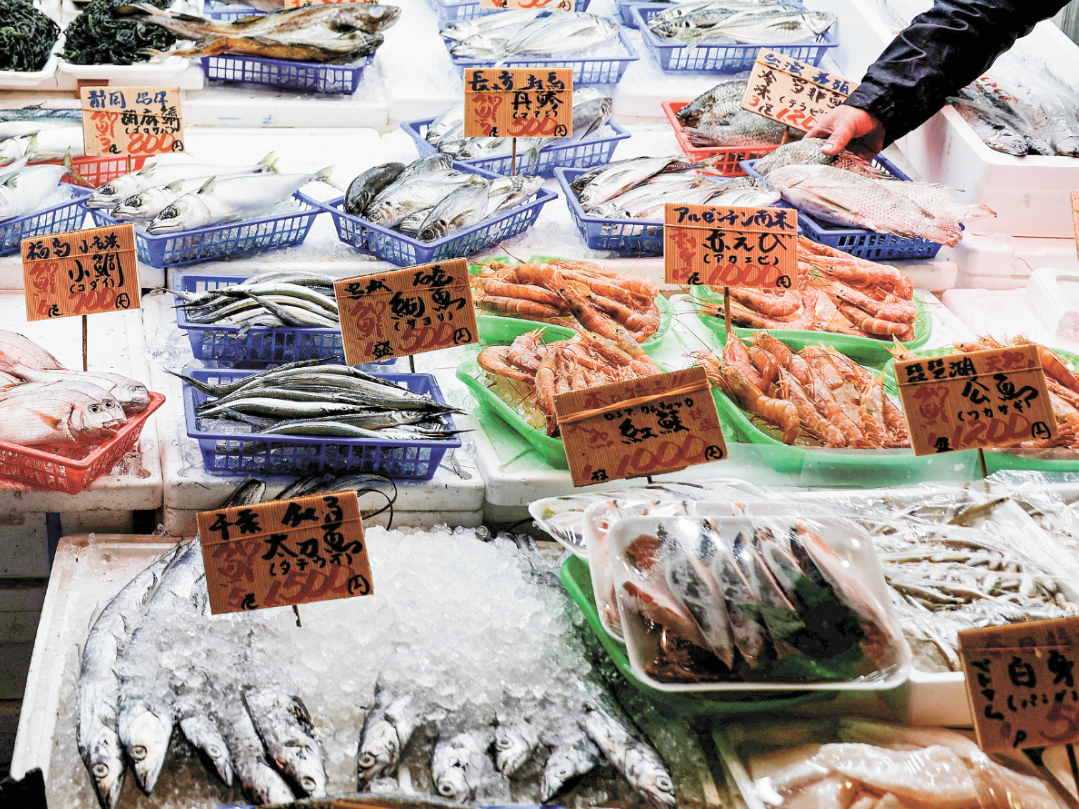
中方暂停进口日本水产品,日本学者:高市早苗让日本国民成了牺牲品
Huan Qiu Shi Bao· 2025-11-19 22:51
Core Viewpoint - China has announced a suspension of imports of Japanese seafood products, which is seen as a retaliatory measure against Japan's Prime Minister's remarks regarding Taiwan, further straining Sino-Japanese relations [1][3]. Group 1: Trade Impact - The suspension of Japanese seafood imports follows China's earlier decision to partially resume imports after the Fukushima nuclear water discharge, indicating a volatile trade relationship [3]. - Japanese seafood companies, particularly those reliant on exports to China, are facing significant challenges due to this suspension, which is viewed as a serious incident affecting Japan's export strategy [4]. - A seafood processing company in Hokkaido reported that 25% of its sales come from China, highlighting the economic impact of the import suspension [4]. Group 2: Political Context - The Chinese government has linked the suspension to Japan's failure to uphold its commitments regarding the safety of seafood exports, emphasizing that the political foundation of Sino-Japanese relations has been damaged by recent statements from Japan's leadership [1][4]. - There is an expectation that China's retaliatory measures will continue, with Japanese officials acknowledging the difficulty of normalizing relations in the near future [4][7]. - The Japanese government is attempting to manage the situation with restraint, hoping to avoid further escalation in bilateral relations [3][4]. Group 3: Domestic Reactions - Within Japan, there is growing concern about the economic repercussions of the import suspension, with calls for government action to support affected industries [5][4]. - Some Japanese officials are attributing the Prime Minister's controversial remarks to external pressures, indicating a divide in the political response to the situation [6][8]. - The ongoing tensions have led to a broader discussion about Japan's international standing and its aspirations for a permanent seat on the UN Security Council, with critics questioning Japan's historical accountability [9].