日本军国主义死灰复燃

Search documents
日方向中方提出“交涉”,被驳回
Xin Lang Cai Jing· 2026-02-17 13:16
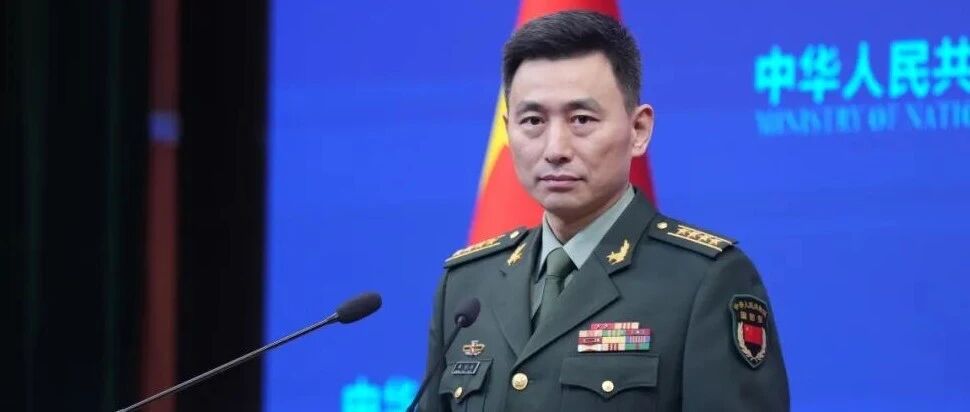
Core Viewpoint - The spokesperson of the Chinese Embassy in Japan strongly rebuffed Japan's claims regarding China's comments on Japan's security policy at the Munich Security Conference, labeling Japan's diplomatic actions as distortion of facts and a form of evasion [1]. Group 1 - The Chinese side firmly rejects Japan's diplomatic protest, asserting that it is unreasonable and lacks factual basis [1]. - Wang Yi, the Chinese Foreign Minister, articulated China's resolute stance on safeguarding national core interests and its commitment to uphold international fairness and justice [1]. - The spokesperson questioned Japan's historical actions, highlighting the current Prime Minister's unprecedented claim regarding the Taiwan Strait situation as a "crisis" justifying collective self-defense, and referenced Japan's wartime history of aggression [1]. Group 2 - The year marks the 80th anniversary of the Tokyo Trials, with the spokesperson emphasizing that Japan's past justifications for aggression led to its disgraceful defeat, warning against a return to militarism [1]. - The spokesperson asserted that all nations advocating for justice have the right to reassess Japan's historical transgressions and the responsibility to prevent the resurgence of Japanese militarism [1].
挑衅行径不可接受 扩武无法换来和平(国际视点)
Ren Min Ri Bao· 2026-02-05 02:29
Core Viewpoint - The recent protests in Japan against Prime Minister Kishi's remarks on Taiwan highlight significant public concern regarding Japan's military expansion and its impact on Sino-Japanese relations [2][3]. Group 1: Protests and Public Sentiment - A gathering organized by the "Inheritance and Development of the Murayama Statement" in Tokyo condemned Prime Minister Kishi's remarks on Taiwan, asserting they severely damage Sino-Japanese relations and escalate regional tensions [2]. - Participants, including former Prime Minister Yukio Hatoyama, criticized Kishi's statements as a deviation from the Japan-China Joint Statement, emphasizing that Taiwan is an internal matter for China [2][3]. - Local citizens expressed that Kishi's remarks pose a significant danger and reflect a serious historical misunderstanding, labeling them as a provocation against China [3]. Group 2: Political Implications - The protest leaders indicated that Kishi's statements serve as a pretext for Japan's intervention in the Taiwan Strait, influenced by extreme right-wing factions within the ruling party [3]. - Kishi's recent decision to dissolve the House of Representatives and call for early elections is viewed as an attempt to solidify his political base to further his militaristic agenda [4]. - Concerns were raised that if Kishi aligns with other right-wing parties to secure a two-thirds majority in the Diet, it could lead to dangerous constitutional amendments, particularly regarding Japan's pacifist constitution [4][5]. Group 3: Economic Consequences - The deterioration of Sino-Japanese relations is expected to have severe economic repercussions, including a decline in Chinese tourists to Japan and potential disruptions in key material imports [6]. - Analysts warn that ongoing populist policies could push Japan towards economic collapse, with the depreciation of the yen and rising long-term bond rates exacerbating the situation [6].

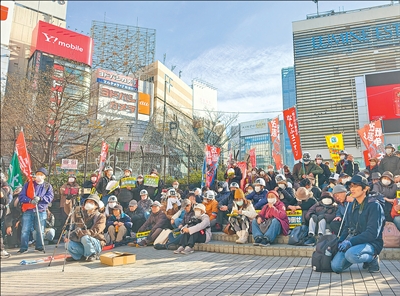
日本民间团体持续反对高市早苗错误言论 国际人士表示必须警惕日本军国主义死灰复燃
Yang Guang Wang· 2026-01-25 01:46
Group 1 - The core viewpoint of the articles is that Japanese Prime Minister Sanna Takashi's remarks regarding Taiwan are seen as a serious interference in China's internal affairs, damaging the political foundation of Japan-China relations, and must be retracted [1] - Participants at a study meeting expressed that Japan has historically recognized Taiwan as an inseparable part of China, and Takashi's statement about deploying the Japanese Self-Defense Forces in the event of a "Taiwan emergency" is unacceptable from both the government's and citizens' perspectives [1] - There is significant discontent regarding Takashi's decision to dissolve the House of Representatives without sufficient discussion in the Diet, which participants deemed unreasonable [2] Group 2 - International figures have warned that Takashi's erroneous statements threaten regional stability and raise concerns about the resurgence of Japanese militarism [3] - Former UN Deputy Secretary-General Pino Araki emphasized the need to remain vigilant against the remnants of Japanese militarism, recalling Japan's historical invasions and atrocities against China [3] - Former spokesperson for the Congolese government, Atipo, stated that Takashi's remarks aim to revive expansionism and militarism, which could lead to disaster for Japan and are unlikely to succeed [3]
坚决抵制日本军国主义死灰复燃
Xin Lang Cai Jing· 2026-01-16 22:13
Core Viewpoint - The Chinese government expresses strong opposition to the military cooperation between Japan and the Philippines, emphasizing the need to resist the resurgence of Japanese militarism and maintain regional peace and stability [1]. Group 1: Military Cooperation - Japan and the Philippines have signed an agreement to enhance military logistics cooperation, with Japan pledging to provide millions of dollars in security assistance to strengthen their so-called "quasi-alliance" [1]. - The Chinese government asserts that cooperation between countries should not target third parties or undermine their interests, nor should it disrupt regional peace and stability [1]. Group 2: Historical Context - The spokesperson highlights Japan's militaristic past, specifically its invasion of the Philippines during World War II, which involved the persecution of Filipino people and the killing of Chinese diplomatic officials [1]. - There is a call for remembrance of this history and a demand for accountability regarding Japan's past actions [1]. Group 3: Regional Reactions - There is a growing criticism from Southeast Asian countries and the international community regarding Japan's military security movements [1]. - The spokesperson accuses Japan of not reflecting on its past and instead fabricating excuses to expand its military capabilities, revealing intentions of re-militarization and military expansion [1].
坚决抵制日本军国主义死灰复燃和“再军事化”
Xin Lang Cai Jing· 2026-01-16 18:01
Core Viewpoint - The Chinese Foreign Ministry firmly opposes the resurgence of Japanese militarism and its re-militarization, emphasizing the need for peace and stability in the region in light of Japan's military cooperation with the Philippines [1]. Group 1: Japan-Philippines Military Cooperation - Japan and the Philippines have signed an agreement to enhance military logistics cooperation, with Japan pledging to provide millions of dollars in security assistance to strengthen their so-called "quasi-alliance" [1]. - The Chinese government expresses concern that such cooperation may undermine regional peace and stability, asserting that international cooperation should not target third parties or harm their interests [1]. Group 2: Historical Context and Criticism - The Chinese Foreign Ministry recalls Japan's historical aggression during World War II, particularly its invasion of the Philippines, and stresses the importance of remembering this history and addressing past grievances [1]. - There is a growing criticism from Southeast Asian countries and the international community regarding Japan's military security movements, which are perceived as attempts to revive militarism and expand military capabilities [1].
日菲签署军事协议加强“准同盟”关系,中方回应
Xin Lang Cai Jing· 2026-01-16 08:49
Core Viewpoint - The Chinese government expresses strong opposition to the military agreement between Japan and the Philippines, emphasizing that cooperation between nations should not target third parties or undermine regional peace and stability [1] Group 1: Historical Context - The spokesperson highlights Japan's militaristic past, specifically its invasion of the Philippines during World War II, which involved violence and persecution against the Filipino people and allied soldiers [1] - The historical grievances are framed as debts that must be acknowledged and repaid, indicating a call for accountability regarding past actions [1] Group 2: Regional Reactions - There is a growing criticism from Southeast Asian countries and the international community regarding Japan's military security movements, suggesting a lack of self-reflection from Japan [1] - The spokesperson accuses Japan of using fabricated excuses to expand its military capabilities and export lethal weapons, revealing intentions of militarization and military expansion [1] Group 3: Call to Action - The statement urges all peace-loving nations and peoples to resist the resurgence of Japanese militarism and its re-militarization efforts, advocating for the maintenance of regional peace and stability [1]
外交部回应日菲加强军事合作:应坚决抵制日本军国主义死灰复燃
Yang Shi Xin Wen Ke Hu Duan· 2026-01-16 08:02
Core Viewpoint - The Chinese government expresses strong opposition to the military cooperation agreement between Japan and the Philippines, emphasizing that such collaborations should not target third parties or undermine regional peace and stability [1] Group 1: Historical Context - The spokesperson highlights Japan's militaristic past, specifically its invasion of the Philippines during World War II, which involved violence and oppression against the Filipino people [1] - The historical grievances include the brutal killing of Chinese diplomatic officials by Japanese forces, which the spokesperson insists must be remembered and addressed [1] Group 2: Current Military Dynamics - There is a growing criticism from Southeast Asian countries and the international community regarding Japan's military security movements, which are perceived as a resurgence of militarism [1] - Japan is accused of fabricating excuses to expand its military capabilities and export lethal weapons, indicating a push from right-wing factions in Japan for re-militarization and military expansion [1] Group 3: Call to Action - The spokesperson urges all peace-loving nations and peoples to firmly resist the resurgence of Japanese militarism and re-militarization, advocating for the maintenance of regional peace and stability [1]
国防部:日方变本加厉地扩军备武,明目张胆地出口杀伤性武器,甚至鼓吹拥核,更加暴露险恶用心
Zhong Guo Ji Jin Bao· 2026-01-08 04:02
Group 1 - The core viewpoint of the article highlights Japan's increasing militarization and its controversial plans to acquire nuclear capabilities, which are seen as a threat by the international community, particularly in Southeast Asia [1] - Japan's government is significantly increasing its budget for "government security capability enhancement support," which includes providing advanced military equipment and supplies to countries in Southeast Asia [1] - The article emphasizes that Japan's actions are driven by right-wing forces aiming to revive militarism, and it calls for global awareness to prevent the resurgence of Japanese militarism and to maintain international peace and stability [1]
日本拟向东南亚等国军队提供国防装备和物资,国防部回应
第一财经· 2026-01-08 02:08
Core Viewpoint - The article discusses Japan's military expansion and nuclear ambitions, highlighting concerns from the international community, particularly regarding Japan's potential re-militarization and the implications for regional stability [3]. Group 1 - Japan is reportedly considering nuclear capabilities and has increased its defense budget significantly to enhance security support for Southeast Asian countries, including the provision of advanced military equipment [3]. - The international community, including Southeast Asian nations, has expressed ongoing criticism of Japan's military actions, which are perceived as aggressive and provocative [3]. - The article emphasizes the need for peace-loving nations to recognize Japan's militaristic intentions and to work together to maintain post-war international order and regional stability [3].
视频丨日本有识之士:高市错误言论违反宪法和国际法
Xin Lang Cai Jing· 2026-01-01 13:37
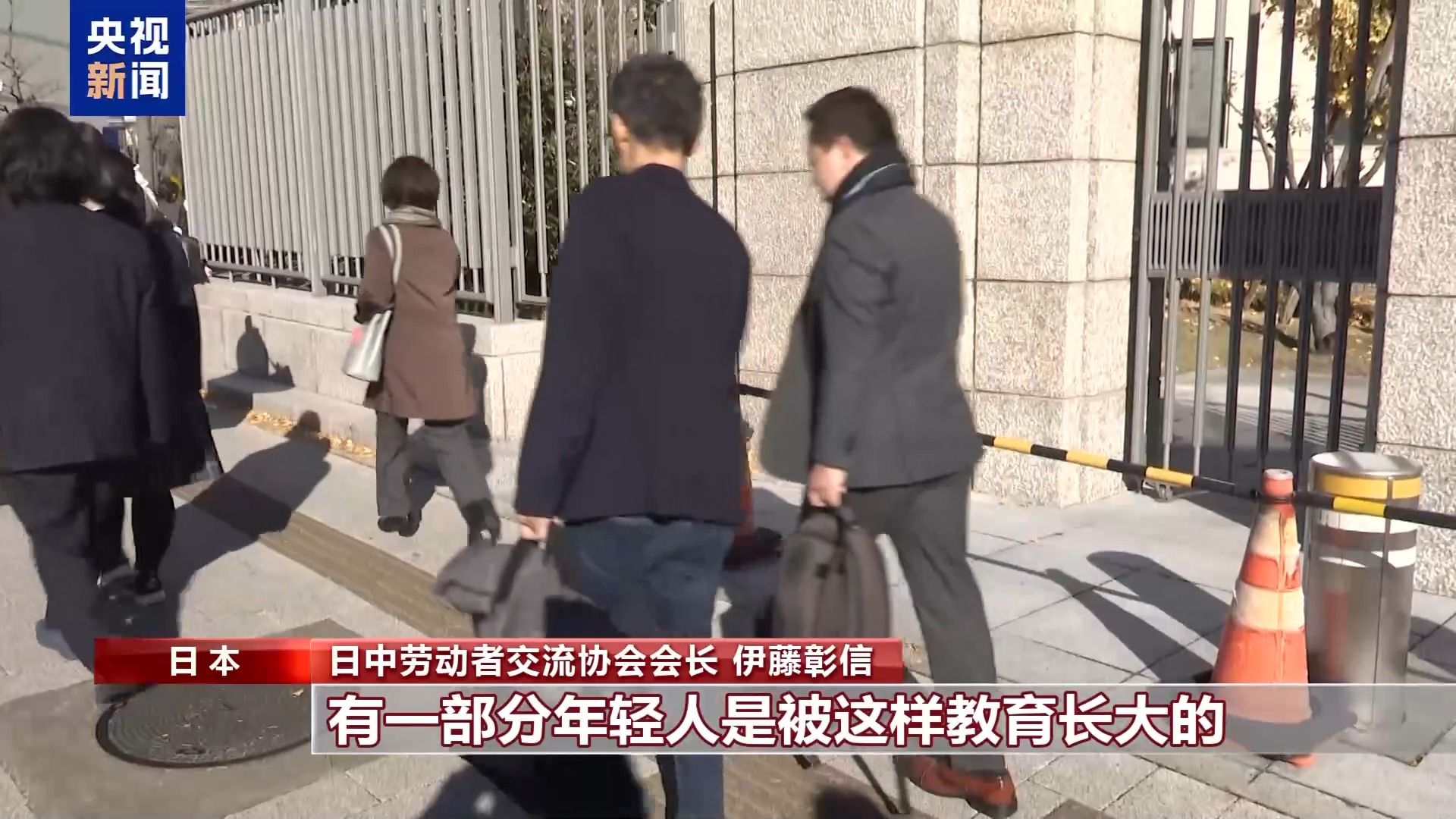
Core Viewpoint - The remarks made by Japanese Prime Minister Sanae Takaichi have sparked strong criticism from various sectors in Japan, with concerns about a resurgence of militarism and the violation of constitutional and international laws [1][3]. Group 1: Criticism of Takaichi's Remarks - Takaichi's statements are seen as a betrayal of the Japan-China Peace and Friendship Treaty, suggesting a potential for conflict [1]. - The President of the Japan-China Labor Exchange Association, Akira Ito, emphasizes that Takaichi's comments violate Article 9 of the Japanese Constitution and international law [1]. Group 2: Concerns about Militarism - There is a growing worry about the revival of militarism in Japan, fueled by right-wing narratives and historical revisionism [1]. - Ito points out that the manipulation of public opinion by the ruling Liberal Democratic Party (LDP) is evident in education and media, which raises concerns about the younger generation's understanding of peace [3]. Group 3: Youth Support for Militaristic Views - A segment of the Japanese youth supports Takaichi's views, influenced by the education they received in a controlled environment [3]. - Ito stresses the importance of teaching peace and history, arguing against the notion that increased defense spending equates to peace [3].