日本自民党总裁选举

Search documents
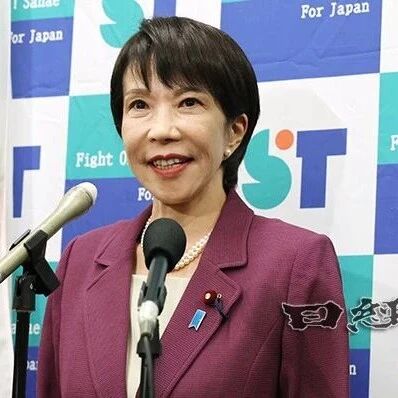
高市早苗当选,中方表态!
Zheng Quan Shi Bao Wang· 2025-10-04 11:29
Core Points - The election of Sanna Takashi as the new president of the Liberal Democratic Party (LDP) in Japan took place on October 4 [1] - The Chinese Foreign Ministry responded to the election results, emphasizing the importance of adhering to the four political documents and maintaining a rational policy towards China [1] - Current Prime Minister Shigeru Ishiba expressed hope that Takashi would not lead Japan into division and emphasized the need for cooperation and tolerance in the current complex international situation [1] Group 1 - Sanna Takashi's election is seen as a potential change for the LDP, aiming to restore public trust in the party [1] - Takashi plans to engage in thorough discussions within the party regarding economic issues such as high prices, as well as foreign affairs and international security [1]


日本自民党总裁候选人上节目 被问除自己以外选谁
Xin Jing Bao· 2025-09-29 07:45
Core Viewpoint - The Japanese Liberal Democratic Party (LDP) is preparing for its presidential election on October 4, with the winner likely to become the new Prime Minister of Japan. The election features five candidates, but negative news surrounding leading candidates has created a challenging environment [1]. Group 1 - Five candidates participated in a program where they were asked to choose the most suitable candidate other than themselves, leading to an awkward situation as most refused to make a choice [1]. - Only candidate Yoshimasa Hayashi made a selection, while others, including Sanae Takaichi, openly declined to participate in the selection process [1]. - The leading candidates in the polls, Shinjiro Koizumi and Sanae Takaichi, are currently facing negative media coverage, which may impact their chances in the election [1].
中金 • 全球研究 | 2025年日本自民党总裁选举#3:候选人小泉进次郎
中金点睛· 2025-09-29 01:45
Core Viewpoint - The upcoming election for the president of Japan's ruling Liberal Democratic Party (LDP) on October 4, 2025, is significant, with candidate Shinjiro Koizumi currently leading in public opinion polls. His election could lead to yen appreciation and limited upward potential for the stock market, depending on his policy implementation, which currently lacks specificity [2][13]. Candidate Background - Shinjiro Koizumi, born on April 14, 1981, is a prominent political figure from a political family, having served as Minister of the Environment. He has a strong educational background, including a master's degree in political science from Columbia University [3][4]. Political Experience - Koizumi has held various significant positions within the LDP, including Youth Bureau Director and Minister of the Environment. He has been involved in key policy-making roles and has a history of electoral success, although he faced challenges in the 2024 LDP presidential election [4][5]. Economic and Financial Policy Proposals - Koizumi's economic policies have shifted from structural reforms focusing on labor market deregulation to prioritizing living support and inflation response. His proposals include establishing wage increases above inflation rates as a social norm and setting ambitious investment and salary growth targets for 2030 [7][8]. Tax Reform Initiatives - Koizumi advocates for tax reforms, including the abolition of temporary gasoline taxes and dynamic adjustments to income tax exemptions based on inflation and wage growth. However, the effectiveness of these proposals remains uncertain due to a lack of detailed implementation plans [9]. Monetary Policy Stance - Koizumi respects the independence of the Bank of Japan while emphasizing the importance of policy coordination. He has not indicated a strong preference for specific monetary policies, suggesting that monetary policy decisions will largely be left to experts [10]. Currency and Fiscal Policy - Koizumi does not express a particular preference for the yen's exchange rate, indicating a more tolerant view towards a weaker yen. His fiscal approach leans towards maintaining fiscal discipline while utilizing tax revenue growth from inflation to support economic stability [11][12]. Market Implications of Koizumi's Election - If elected, Koizumi's tighter fiscal stance may lead to yen appreciation and potential downward pressure on the stock market. His policies, while ambitious, currently lack clear implementation strategies, which could affect their economic impact [13][14]. Current Public Opinion - Recent polls show Koizumi leading among LDP members with 32% support, followed closely by another candidate. The election outcome remains uncertain as the voting date approaches [14].

日媒:小泉进次郎正式宣布参选日本自民党总裁
Zhong Guo Xin Wen Wang· 2025-09-20 04:07
Core Points - The current Minister of Agriculture, Forestry and Fisheries, Shinjiro Koizumi, has officially announced his candidacy for the presidency of the Liberal Democratic Party (LDP) of Japan [1] - The LDP presidential election is scheduled for October 4, with results to be announced on the same day [1] - Following the election of the new LDP president, a vote for the Prime Minister will take place in the National Diet, where the new president is expected to succeed Shigeru Ishiba and become the next Prime Minister of Japan [1] Summary by Category - **Election Announcement** - Shinjiro Koizumi has declared his intention to run for the LDP presidency [1] - **Election Schedule** - The LDP presidential election will occur on October 4, with results revealed on that day [1] - **Political Implications** - The new LDP president will be positioned to become the next Prime Minister, as the LDP remains the largest party in both houses of the National Diet [1]
高市早苗宣布参选日本自民党总裁
日经中文网· 2025-09-18 07:15
Group 1 - The core viewpoint of the article is that former Japanese Minister of Economic Security, Sanae Takaichi, announced her candidacy for the Liberal Democratic Party (LDP) presidency, emphasizing the need for politics that transforms public anxiety into dreams and hopes [2] - Takaichi stated that this election is an excellent opportunity to clarify what the LDP aims to achieve and the goals it pursues, indicating her commitment to propose what she believes are the best policies [4] - Takaichi has been elected ten times as a member of the House of Representatives for Nara's second district and is participating in the LDP presidential election for the third time, having previously run in 2021 and 2024 [4] Group 2 - In the 2024 election, Takaichi initially surpassed Shigeru Ishiba in the first round of voting among party members and supporters but was ultimately reversed in the decisive round [4] - Prior to announcing her candidacy, Takaichi had a brief meeting with LDP senior advisor Taro Aso to inform him of her decision, expressing her greetings and determination [4] - Takaichi has focused on legislative work related to "black labor" countermeasures and the regulation of illegal online casinos as the chair of the LDP's Security, Anti-Terrorism, and Cybercrime Measures Committee [4]
日本自民党新总裁之争:本周将迎“参选高峰期”
Xin Hua She· 2025-09-16 02:05
Group 1 - The Liberal Democratic Party (LDP) of Japan will hold its presidential election in early October, with several candidates expected to announce their candidacies this week [1] - The election will feature a total of 590 votes, with 295 votes coming from LDP members of the National Diet and the remaining votes from local party members and registered supporters [1] - If no candidate receives a majority in the first round of voting, the top two candidates will proceed to a second round [1] Group 2 - Recent polls indicate that Sanae Takaichi and Shinjiro Koizumi are considered the leading candidates for the LDP presidency, although the election landscape remains uncertain [2] - Candidates are expected to debate key issues such as high inflation and cooperation with opposition parties during the election campaign [2]
谁能接替日本首相石破茂?民调:高市早苗人气最高
Zhong Guo Xin Wen Wang· 2025-09-13 01:54
Group 1 - The latest poll by Kyodo News indicates that former Minister of Economic Security Sanae Takaichi is the most popular candidate for the next president of the Liberal Democratic Party (LDP), with 28% support from respondents [1] - Following Takaichi, Minister of Agriculture, Forestry and Fisheries Shinjiro Koizumi received 22.5% support, while Chief Cabinet Secretary Yoshihide Suga garnered 11.4% [1] - The LDP is facing significant challenges, having lost a majority in both houses of the National Diet for the first time since its establishment in 1955, following upcoming elections in October 2024 and July 2025 [1] Group 2 - After the new LDP president is elected, a prime ministerial election will be held in the National Diet, where the new president is expected to win and become the next Prime Minister of Japan [2]
国际观察|石破茂“体面”辞职 日政坛“一地鸡毛”
Xin Hua She· 2025-09-07 15:14
Core Viewpoint - Shigeru Ishiba, the Prime Minister and President of the Liberal Democratic Party (LDP) of Japan, announced his resignation on September 7, 2023, amid significant internal party pressure, aiming to maintain a "decent" exit and prevent further party division [1][4]. Group 1: Resignation Context - Ishiba faced mounting pressure to resign following the LDP's losses in both the House of Councillors election in July and the House of Representatives election last October, resulting in the party losing its majority in both chambers [2]. - The completion of U.S.-Japan tariff negotiations provided a context for Ishiba's resignation, as he previously cited the need to avoid a "political vacuum" during these discussions [2][4]. - A significant number of LDP members, totaling 131 national lawmakers and 20 local organizations, called for an early presidential election, nearing the threshold for such a move [3]. Group 2: Internal Party Dynamics - Despite the high demand for an early presidential election, there were still supporters within the party advocating for Ishiba to remain in his position, indicating a split in party loyalty [4]. - Concerns about potential public exposure of party divisions prompted Ishiba to make a "bitter decision" to resign, as he feared a "decisive split" within the party [4]. Group 3: Future Leadership Challenges - Following Ishiba's resignation, the LDP will need to elect a new president, but analysts suggest that whoever takes over will face ongoing political turmoil [5]. - Potential candidates include prominent figures such as Sanae Takaichi and Yoshihide Suga, but the current "double minority" status of the LDP in the Diet complicates the situation for any new leader [6][7]. - The new president will need to navigate significant challenges, including regaining a majority in the House of Representatives and addressing ongoing issues related to U.S.-Japan tariff agreements [7].
“黑天鹅”突袭!刚刚,大跳水!
券商中国· 2025-09-02 12:11
Core Viewpoint - The article discusses the political turmoil in Japan, particularly the resignation intentions of key figures in the ruling Liberal Democratic Party (LDP), which has led to a significant drop in the yen's value against the dollar, raising concerns about the stability of Prime Minister Kishida's government [1][2][4]. Group 1: Political Developments - On September 2, key LDP officials, including Secretary-General Hiroshi Moriyama, expressed their intention to resign following the party's poor performance in the recent House of Councillors election [1][4]. - The LDP's loss in the election was significant, as it failed to secure a majority in both houses of the Diet for the first time since its establishment in 1955 [6][7]. - The party's election strategy, which included cash handouts, faced criticism and was cited as a reason for the electoral defeat [7]. Group 2: Economic Impact - Following the political developments, the yen experienced a sharp decline, with the USD/JPY exchange rate rising over 1% on the same day [2]. - The political instability has raised concerns about the future operations of Kishida's government, with potential implications for economic policies and trade negotiations [1][9]. Group 3: Future Implications - There is speculation about an early leadership election within the LDP, contingent on the support of party members and local representatives [5][10]. - Kishida's recent statements indicate a willingness to step down if necessary, which could lead to a shift in leadership and policy direction [8][9]. - Recent polls show mixed support for Kishida, with some members advocating for a leadership change while others express support for his continuation [10][11].

“后石破”人选正伺机而动
日经中文网· 2025-07-24 02:24
Group 1 - The article discusses the political landscape in Japan, focusing on the potential resignation of Prime Minister Shigeru Ishiba and the emergence of candidates for the ruling Liberal Democratic Party (LDP) leadership, including Shinjiro Koizumi, Takashi Kobayashi, Sanae Takaichi, and Yoshifumi Hayashi as potential successors [1][2] - The dynamics within the LDP are influenced by the party's minority status in both houses of the Diet, making the relationship with opposition parties crucial for any new leadership [3][4] - The article highlights the importance of the opposition parties' movements, noting that if they unite, they could potentially elect their own prime minister, complicating the LDP's path to maintaining power [3][4] Group 2 - Candidates like Takashi Kobayashi, who has a background in the Ministry of Finance and is seen as a hope for the younger generation, are actively engaging with party members to discuss the implications of the recent Senate election results [2] - Sanae Takaichi is also engaging with key party figures, including former Prime Minister Taro Aso, whose support could significantly influence the outcome of the presidential election [2] - The article mentions that if Ishiba announces his resignation in August, the LDP may hold a presidential election before autumn, which would lead to a nomination vote in the Diet [2]