春节年俗

Search documents
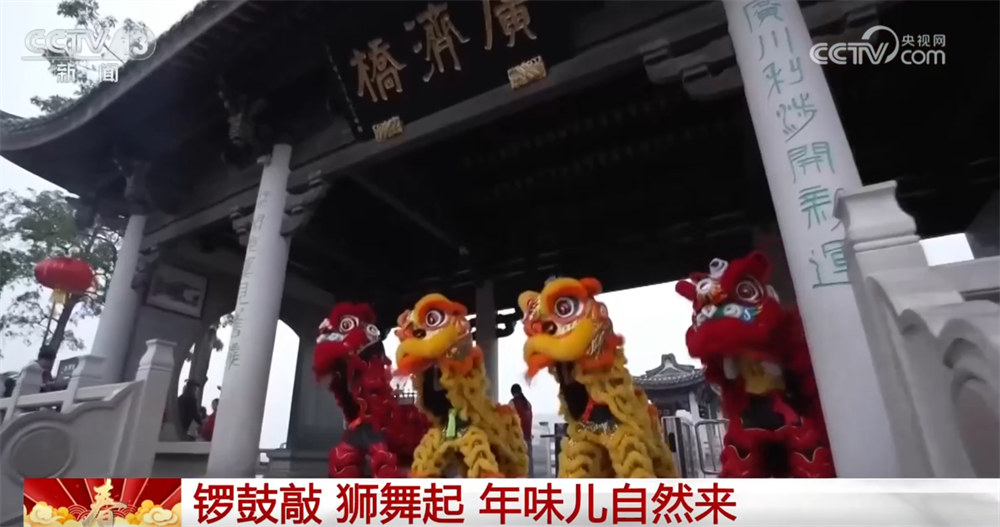
锣鼓敲、狮舞起“拉满”春节氛围感 精彩表演洋溢浓郁“非遗”年味儿
Yang Shi Wang· 2026-02-18 06:10
Group 1 - The article highlights the vibrant celebrations of the Lunar New Year in various regions of China, emphasizing the cultural significance of lion dances and other traditional performances [1][2][4][6][8][10] - In Guangdong, the lion dance is a central feature of the New Year festivities, with performances attracting crowds and symbolizing good fortune [2][4][6] - The lion dance is also celebrated in Shanghai, where a team recently crowned "World Lion King" showcased their skills through a high-difficulty performance on plum blossom stakes, enhancing the festive atmosphere [8] Group 2 - In Sichuan, the celebrations included a large-scale event with hundreds of dragons and lions parading through the streets, providing an immersive experience for thousands of tourists [10] - The interaction between performers and the audience, such as touching the dragon scales, adds to the festive spirit and cultural appreciation among attendees [11]

过年的9个晚上|贴吊钱儿,拉开了天津人的年
Xin Lang Cai Jing· 2026-02-17 12:11
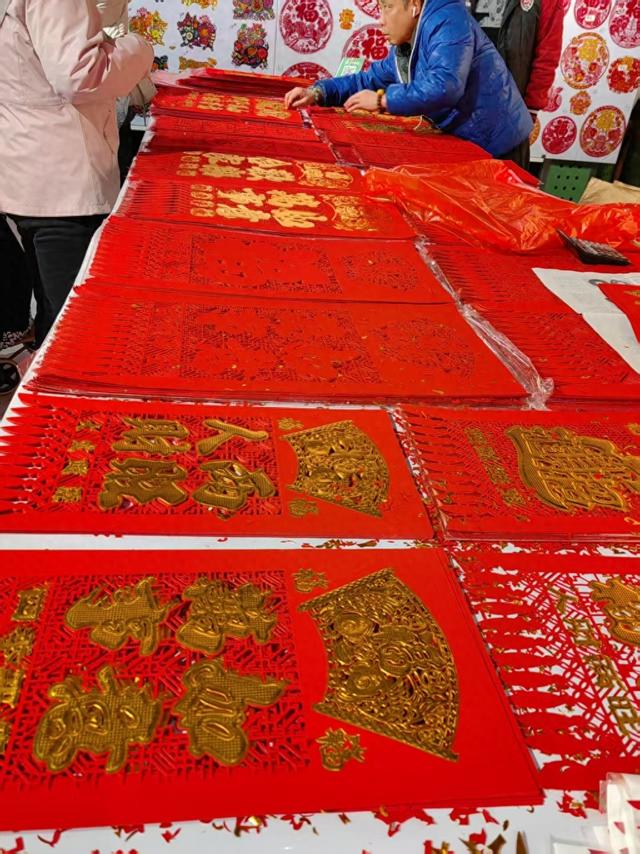
Core Viewpoint - The article highlights the significance of traditional Chinese New Year customs, particularly in Tianjin, through the story of an elderly couple and their grandson, emphasizing family bonding and cultural heritage during the festive season. Group 1: Family Dynamics - The grandson, returning home from university, shows interest in local customs, specifically the unique practice of buying "吊钱儿" (hanging money) in Tianjin, which excites his grandparents [1][2] - The grandparents express joy and pride in their grandson's polite behavior and engagement with the community, contrasting it with their son's more reserved nature [3][4] Group 2: Cultural Practices - The couple's shopping trip for "吊钱儿" reflects traditional practices, with the grandfather sharing insights on selecting quality items based on design, color, and craftsmanship [6][7] - The selection of specific phrases for the "吊钱儿" showcases the couple's preferences and the humorous family anecdotes associated with these traditions, such as the grandson's childhood misunderstanding of a phrase [7][8] Group 3: Community Interaction - The interactions with local vendors during the shopping trip highlight the sense of community and familiarity, as the couple is recognized and greeted warmly by shopkeepers [2][3] - The grandson's polite engagement with the vendors reinforces the values of respect and connection within the community, enhancing the festive spirit [4][5]
小城灯会年味浓
Xin Lang Cai Jing· 2026-02-16 23:39
Core Viewpoint - The 2026 Xinji Aosen Night Spring Lantern Festival has gained popularity among local residents and tourists, showcasing local culture and attracting significant attendance [1][2]. Group 1: Event Highlights - The festival features the "Golden Deer Goddess" lantern group, which stands 12 meters tall and symbolizes the city's cultural heritage as "Deer City" [1][2]. - The "Galloping Horses" lantern group spans 40 meters across the lake, embodying the city's spirit of progress and incorporating traditional auspicious patterns [2]. - A 1500-meter corridor of lanterns connects the stories of 15 townships, highlighting local products and tourism resources [2]. Group 2: Visitor Experience - The festival includes a "Childhood Dream Wonderland" area with space-themed lanterns, engaging children and connecting them to traditional customs [2]. - Interactive NPCs such as "Red String Immortal" and "God of Wealth" enhance visitor engagement, particularly among younger audiences [2][3]. - The festival promotes local culinary experiences, encouraging visitors to try local specialties like clay pot lamb skewers and cold drinks [2][3]. Group 3: Economic Impact - The event integrates local commerce, including fur, retail, dining, and accommodation, creating a vibrant atmosphere for visitors [3]. - A special "Xinji Leather Culture One-Day Tour" has been launched, combining cultural experiences, shopping, and dining with the lantern festival [3].
【热气腾腾中国年】习言道|总书记和百姓聊年俗
Zhong Guo Xin Wen Wang· 2026-02-16 11:03
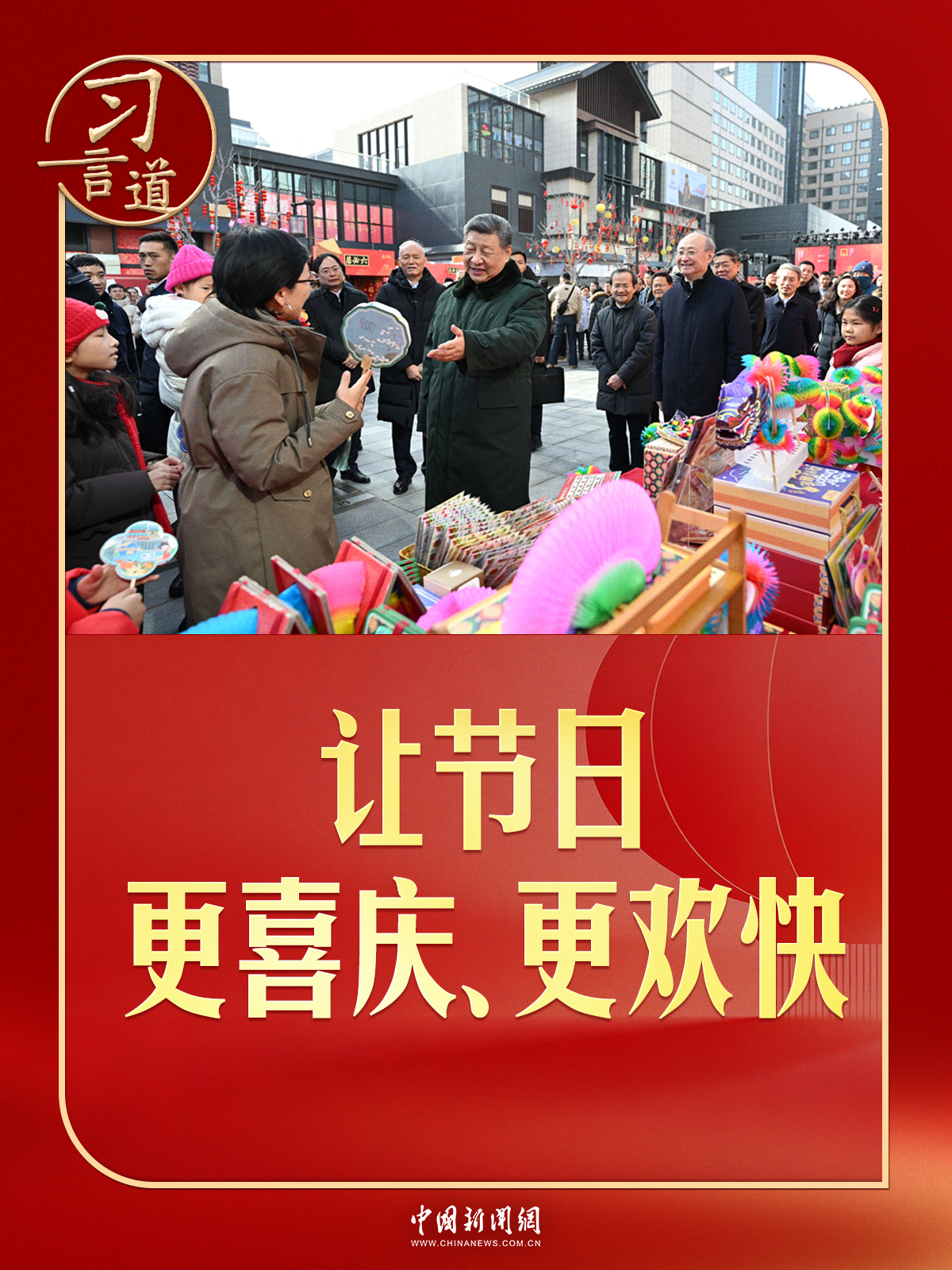
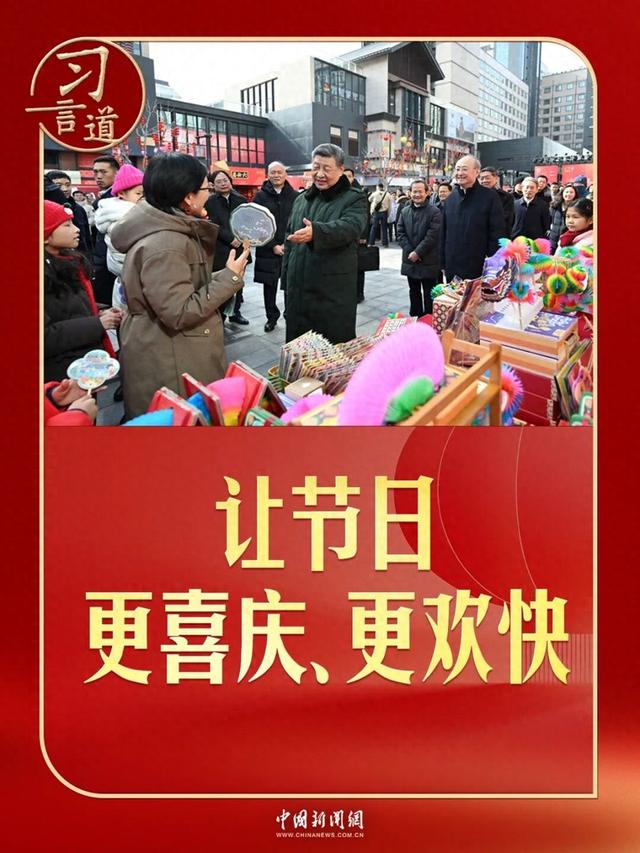
Core Viewpoint - The article highlights President Xi Jinping's engagement with the public during the Lunar New Year celebrations, emphasizing the importance of cultural heritage and traditional practices in modern society [3][10]. Group 1: Cultural Engagement - President Xi visited the Longfu Temple area in Beijing, participating in local New Year festivities and expressing joy at the vibrant atmosphere [4][5]. - He interacted with villagers in Shanxi, making traditional festival foods and praising their cultural significance [7]. - The President also appreciated traditional crafts, such as Yangliuqing woodblock prints, recognizing their role in conveying aspirations for a better life [8]. Group 2: Cultural Heritage and Modernization - Xi emphasized the need to integrate historical culture with modern life, advocating for the promotion of traditional cultural industries on a global scale [10]. - The Longfu Temple area is being transformed into a multi-functional pedestrian street, blending historical charm with contemporary lifestyle [10]. - The article underscores the importance of preserving and innovating cultural traditions to ensure their relevance in modern society [11][12].
哪些年俗是你始终不变的坚持?调查显示吃年夜饭居首位
Xin Lang Cai Jing· 2026-02-16 05:43
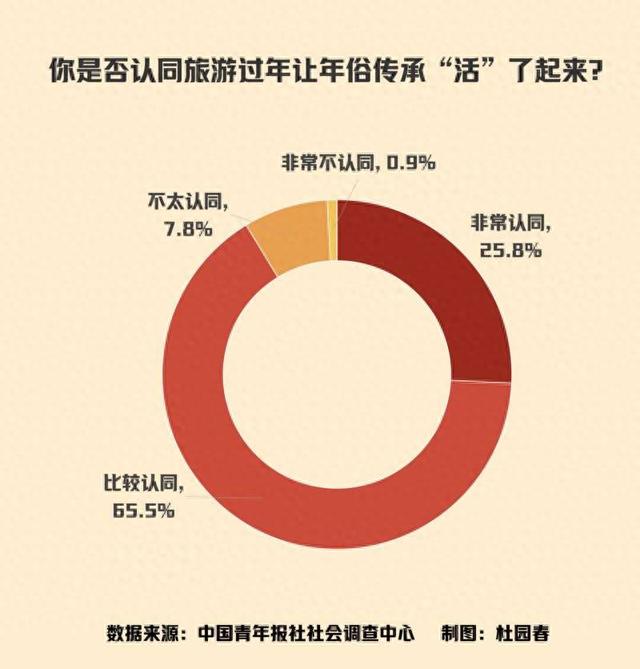
Core Viewpoint - The article highlights the enduring significance of traditional Chinese New Year customs, even as families choose to travel during the holiday, with a strong emphasis on maintaining cultural practices and experiencing local traditions [1][7]. Group 1: Traditional Customs - The top three traditional customs that respondents intend to uphold during the Spring Festival are having a reunion dinner (69.5%), staying up late and watching the Spring Festival Gala (56.2%), and giving red envelopes (51.3%) [4][6]. - Other customs include pasting Spring Festival couplets and hanging lanterns (50.4%), visiting relatives (45.6%), attending temple fairs (34.2%), and setting off fireworks (32.2%) [4][6]. Group 2: Travel and Local Experiences - A significant 68.9% of respondents expressed a desire to taste local traditional foods while traveling during the Spring Festival [6]. - The most anticipated local experiences include enjoying intangible cultural heritage performances (68.2%) and visiting new year lantern displays and local temple fairs (51.5%) [6]. Group 3: Cultural Transmission - An impressive 91.3% of respondents feel that traveling during the New Year revitalizes the transmission of traditional customs [7]. - The highest recognition of this cultural transmission effect comes from respondents in the Southwest region (95.5%) and Northeast region (95.2%) [7].
总书记和百姓聊年俗
Xin Lang Cai Jing· 2026-02-15 08:31
Group 1 - The core message emphasizes the importance of cultural heritage and its integration with modern life, as highlighted by President Xi Jinping during his visits to various locations celebrating traditional customs [4][5]. - The visits to places like the Longfu Temple area and the production of traditional foods reflect a commitment to preserving and promoting Chinese cultural practices, showcasing the significance of these traditions in contemporary society [2][3][5]. - The initiative to blend historical culture with modern urban development aims to enhance the cultural landscape of cities, particularly in Beijing, which is recognized as a historical capital [5][6]. Group 2 - The focus on traditional crafts and local customs, such as the making of Huozhou year cakes and the appreciation of woodblock prints, illustrates the government's effort to foster a sense of cultural pride and continuity among younger generations [3][5]. - The call for protecting and utilizing historical cultural districts indicates a strategic approach to urban planning that values cultural identity while accommodating modernization [5]. - The overarching theme of maintaining traditional values while encouraging innovation is seen as essential for enriching cultural experiences during festive seasons like the Spring Festival [6].
为什么说春节“邪修”,也是地道年味?
Xin Lang Cai Jing· 2026-02-14 06:12
Group 1 - The core viewpoint of the articles emphasizes the evolving nature of Chinese New Year customs, highlighting how the younger generation is redefining traditions through modern and playful approaches [3][4][5] - A survey indicates that 84.27% of respondents enjoy incorporating elements of traditional culture into their New Year goods, while 79.28% pay attention to the cultural significance behind these items [3] - The concept of "邪修" (which can be interpreted as playful or unconventional) is discussed, suggesting that the new customs, while seemingly disruptive, align with the festive spirit of the New Year, which is about joy and releasing pressure [3][4] Group 2 - Historically, New Year customs have always been a process of adaptation, reflecting changes in production, technology, and emotional needs, such as the evolution of firecrackers and couplets [4] - The living tradition of New Year customs maintains a balance between change and continuity, making it a vital cultural symbol of Chinese civilization [4] - The essence of the New Year remains consistent, focusing on reunion and joy, which is considered the authentic experience of the Chinese New Year [4]
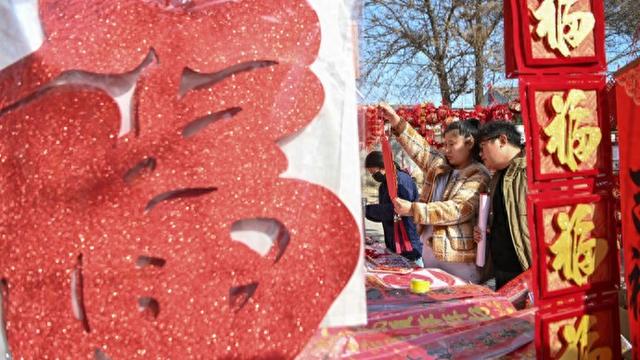
年货大集开市打造“逛买玩赏食”新体验 特色年俗活动点燃文旅消费热潮
Yang Shi Wang· 2026-02-09 09:56
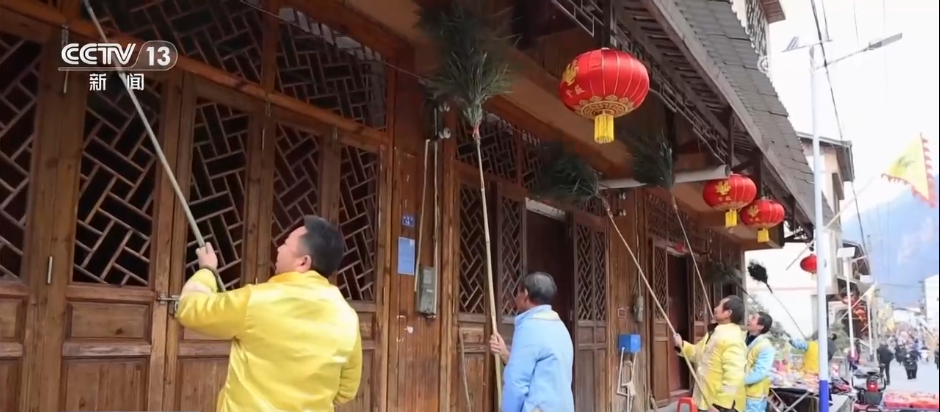
Group 1: Cultural Activities and Tourism - The villagers in Yongyi Village, Guizhou, engage in traditional customs such as dust sweeping, making glutinous rice cakes, and hosting long table banquets as part of their New Year celebrations [1][3] - Yongyi Village has integrated traditional customs with cultural tourism, making activities like bamboo pole dancing and tofu making popular among tourists [3] - The long table banquet features local delicacies and interactive projects to enhance visitor experience, showcasing the community's harvest and fostering a sense of togetherness [5] Group 2: Regional Celebrations and Events - In Jiangsu Jingjiang, a non-heritage food market has become lively, with citizens and tourists enjoying traditional performances and local cuisine, contributing to the festive atmosphere [8][9] - The Jingjiang Spring Festival cultural activities include 66 events that encompass various categories such as folk experiences, cultural exhibitions, and sports events, aimed at enriching holiday life and promoting cultural tourism [9] - In Beijing, community spring festivals are organized to enhance resident participation, featuring performances from various age groups and activities that foster community connections [10][13][15] Group 3: New Year Market Dynamics - In Yinchuan, Ningxia, the New Year market has been launched, offering a comprehensive experience that combines shopping, entertainment, and food [16][17] - The market features not only the sale of New Year goods but also cultural performances and folk activities, with a highlight being a large communal cooking event [19] - The New Year market will run until February 14, with shopping coupons available to encourage spending and enhance the festive experience [21]