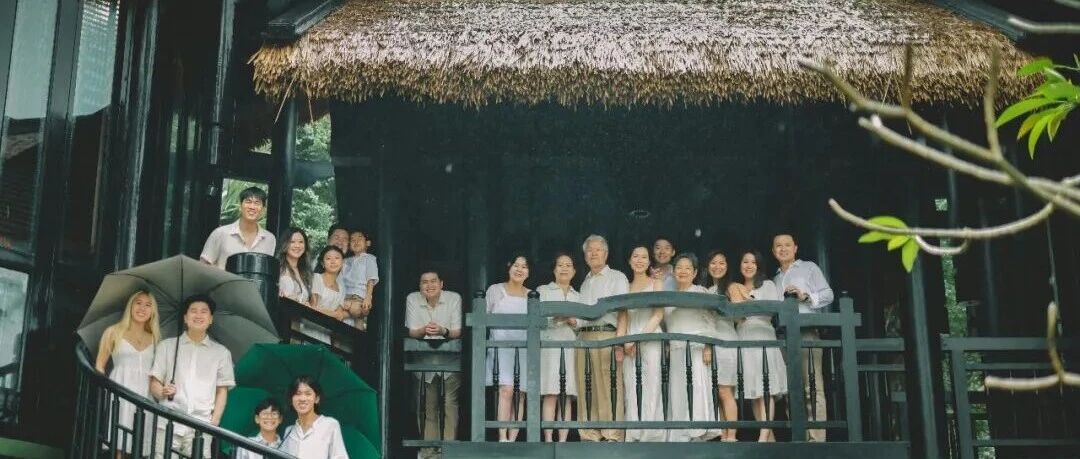
春节酒店消费

Search documents
今年春节,中产大孝子拯救城市酒店
36氪· 2026-02-19 13:05
Core Viewpoint - The article discusses the emerging trend of "reverse Spring Festival travel," where parents travel to their children's cities for the holiday instead of the traditional return to their hometowns, highlighting a shift in family dynamics and consumer behavior during the festive season [17][20][49]. Group 1: Reverse Spring Festival Travel - The trend of parents visiting their children in urban areas during the Spring Festival has become increasingly popular, with a reported 84% year-on-year increase in ticket bookings for reverse travel [17]. - The cost of tickets for reverse travel is generally 30%-50% lower than traditional return tickets, making it a more economical choice for families [18]. - This shift is changing the definition of family reunions, as urban hotels are becoming preferred venues for celebrations, providing a comfortable and convenient alternative to cramped family homes [19][21][25]. Group 2: Hotel Industry Response - Hotels are adapting to this new demand by offering family-oriented packages and services, such as special dining options and room configurations that cater to larger family groups [28][43]. - The trend has led to a significant increase in bookings for family suites, with many guests requesting additional amenities like extra beds or connecting rooms [26]. - Hotels are also creating unique local experiences for families, such as guided tours and cultural activities, to enhance the stay for visiting parents [45]. Group 3: Social Dynamics and Emotional Aspects - The hotel environment is facilitating social interactions among parents from different regions, allowing them to share experiences and form connections, which serves as emotional support for those visiting unfamiliar cities [46]. - The article raises questions about the potential emotional impact on parents who may feel a sense of loss when returning to their hometowns after experiencing the comforts of hotel living [48]. - This trend reflects a broader societal shift in how families express care and maintain connections, moving away from traditional practices towards more modern, service-oriented solutions [50][51].


今年春节,中产大孝子拯救城市酒店
虎嗅APP· 2026-02-16 13:01
Core Viewpoint - The article discusses the emerging trend of "reverse Spring Festival travel," where parents travel to their children's cities for the holiday instead of the traditional return to their hometowns, highlighting a shift in family dynamics and consumer behavior during the festive season [8][10][11]. Group 1: Reverse Spring Festival Travel - The trend of parents traveling to their children's cities for the Spring Festival has become increasingly popular, with data showing an 84% year-on-year increase in ticket bookings for this purpose [8]. - Major cities like Beijing, Shanghai, and Hangzhou are among the top destinations for this reverse travel trend, with ticket prices generally 30% to 50% lower than traditional return tickets [8][10]. - This shift is not just about travel; it reflects a deeper change in how families celebrate the holiday, moving from traditional home gatherings to hotel stays that offer comfort and convenience [11][20]. Group 2: Hotel Industry Response - Hotels are adapting to this new demand by offering family-oriented services, such as special packages for extended stays and tailored experiences for families [13][21]. - The rise in hotel bookings during the Spring Festival indicates a transformation in the hospitality industry, where hotels are becoming more than just places to stay but also venues for family gatherings and social interactions [20][21]. - Hotels are also creating unique experiences for families, such as guided cultural tours and local interactions, enhancing the value of their offerings beyond just accommodation [21][22]. Group 3: Consumer Behavior and Family Dynamics - The decision to send parents to hotels instead of returning home is driven by practical considerations, such as space constraints in urban living environments and the desire for a more relaxed holiday experience [11][12]. - This trend reflects a broader change in consumer behavior, where families are willing to invest in experiences that enhance their quality of life and family interactions during the holiday season [14][18]. - The phenomenon also raises questions about the emotional implications of such choices, as families navigate the balance between traditional values and modern conveniences [22][23].