昭和百年

Search documents
欧美憋不住了,要对大国先下手为强,高市早苗很得意,抛出4个字
Sou Hu Cai Jing· 2026-01-10 08:23
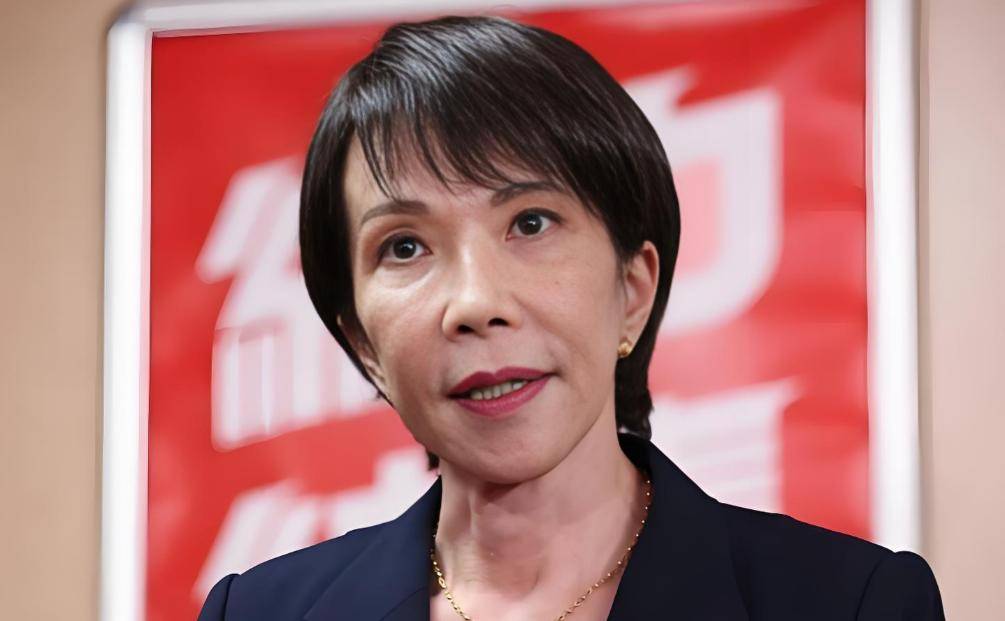
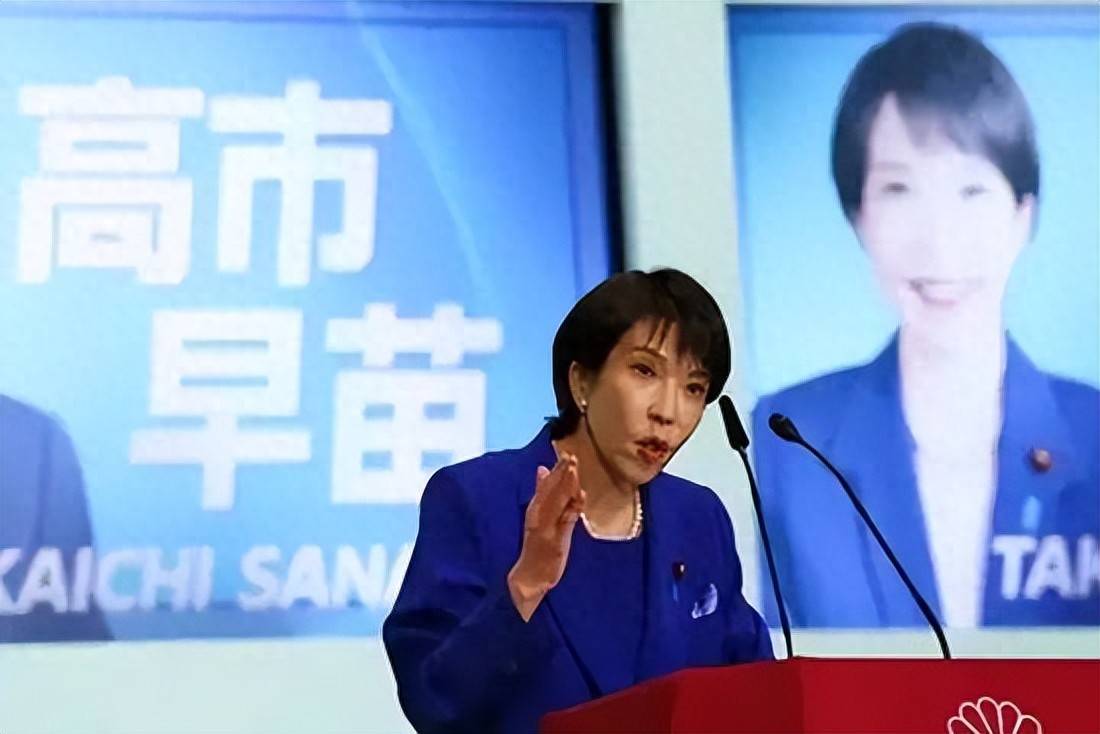
Group 1 - The European Union's carbon tariff policy officially took effect on January 1, 2026, targeting key export products such as steel, cement, aluminum, fertilizers, and electricity from major exporting countries [3][5] - The EU plans to expand the carbon tax to include more products like home appliances and machinery, increasing export barriers and costs for manufacturers in major exporting countries [3][5] - The EU's carbon tax system is criticized for being biased, as it only provides support through a "decarbonization fund" to European companies with clear environmental plans, excluding foreign importers [5][7] Group 2 - Surrounding countries like Bosnia, Serbia, and Montenegro, which previously exported significant amounts of electricity to the EU, are now facing increased costs and reduced profits due to the carbon tax [7] - The United States has shifted its stance on military actions in the region, urging restraint while continuing military sales to major countries, exceeding $11 billion [9] - Japan's Prime Minister, in a New Year speech, emphasized a return to strength and reform, indicating a shift in policy towards increased military spending, with the defense budget rising to 7.4 trillion yen, an increase of over 8% from the previous year [11][13] Group 3 - Major countries are responding to pressures from the US and EU, with significant impacts on various industries and public protests emerging in Japan due to trade and flight restrictions [15] - The coordinated actions of the US, EU, and Japan against major countries suggest a strategic alignment, raising concerns about the implications for international relations and trade [17]

欧美忍不住了,要对中国先下手为强,高市早苗很得意,丢出4个字
Sou Hu Cai Jing· 2026-01-02 11:52
Group 1 - The European Union has officially expanded its "carbon border adjustment mechanism," which now includes a wider range of products, significantly impacting Chinese exports, as the new regulations are expected to cover imports worth over €80 billion annually [1][3] - China is the largest exporter of steel, aluminum, and fertilizers globally, with exports to the EU in these categories exceeding $220 billion in 2025, making it a primary target of the EU's carbon tax [3][5] - The Chinese Ministry of Commerce has condemned the EU's actions as trade protectionism disguised as climate policy, indicating potential retaliatory measures to protect domestic enterprises [3][5] Group 2 - The U.S. has expressed concerns over military activities in the Taiwan Strait, urging China to exercise restraint, which reflects a cautious approach to avoid escalating tensions while maintaining pressure on China [5][7] - Japan's new Prime Minister, in her New Year address, emphasized a nationalistic agenda, marking 2026 as a pivotal year for Japan's resurgence, which has raised alarms in the international community due to its historical implications [7][9] - Japan's defense budget has surpassed 2% of GDP, with plans for further increases, indicating a shift towards a more aggressive military posture and closer security cooperation with allies like the U.S. and Australia [9][11] Group 3 - Japan is actively enhancing military collaboration with the Philippines and Taiwan, indicating a strategic pivot to counter China's influence in the region [11][13] - The Chinese government is responding to external pressures by accelerating the establishment of its own green trade rules, including a national carbon trading market, to counteract the EU's carbon tax [13][15] - China's military strategy remains focused on deterrence, maintaining a professional approach while enhancing its capabilities in response to perceived threats from the U.S. and Japan [15][16] Group 4 - A wave of international support for the "One China" principle has emerged, with numerous countries reaffirming their stance against Taiwan independence, which could influence Japan's approach to regional tensions [17][19] - Economic conditions in the EU and the U.S. are showing signs of strain, with the EU experiencing zero growth and the U.S. facing persistent inflation, contrasting with China's robust economic growth of 5.2% in 2025 [19][20] - Domestic sentiment in Japan regarding the Prime Minister's nationalistic rhetoric is mixed, with a significant portion of the population expressing discomfort, indicating potential political challenges ahead [20]