普职融通改革

Search documents
普通高中、优质本科今年持续扩招
第一财经· 2026-03-05 04:23
Core Viewpoint - The article discusses the adjustments in China's education system in response to changing demographics, emphasizing the expansion and improvement of educational resources, particularly in basic and higher education [2][3]. Group 1: Basic Education - The government report highlights the need to adapt to changes in school-age population structure, focusing on enhancing the quality and distribution of educational resources [2]. - The number of students in primary schools peaked in 2023, with junior high expected to peak in 2026 and high school in 2029 [2]. - In 2024, the enrollment in ordinary high schools is projected to exceed 10.36 million, marking a significant increase of 684,000 from the previous year, with a recorded admission rate of 61.02% [3]. Group 2: High School Enrollment - Various regions are significantly increasing high school enrollment, with Guangdong adding over 200,000 new ordinary high school places [4]. - Wuhan plans to add 8,000 quality high school places, while other cities like Xiangyang and Shiyan are also expanding their high school capacities [5]. - The overall admission rate for ordinary high schools is expected to rise to 62.36% in 2025, reflecting ongoing efforts to improve access to education [3]. Group 3: Higher Education - The expansion of quality undergraduate enrollment will continue, focusing on meeting national strategic needs and societal development [5]. - The gross enrollment rate for higher education has surpassed 60%, but the proportion of quality undergraduate programs remains relatively small [6]. - The report emphasizes the need for a mechanism that aligns talent cultivation with economic and social development, advocating for reforms in higher education institutions [6].

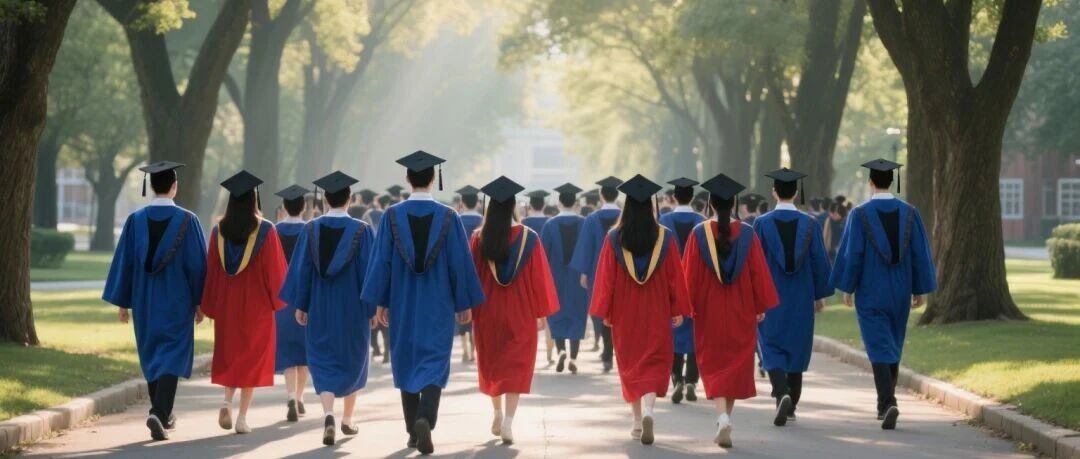
多地普通高中大幅扩招
第一财经· 2026-01-31 11:22
Group 1 - The core viewpoint of the article highlights the shift in educational policy in Zhoushan, Zhejiang Province, where the county has eliminated the selection function of the high school entrance examination (Zhongkao) and implemented a "full enrollment to high school" system to address educational resource allocation challenges in small island counties [3] - Starting from the fall semester of 2025, the county will ensure that 100% of eligible local and migrant children graduating from junior high school can enroll in regular high schools, achieving a high school enrollment rate of 81% for the county [3] - Nationwide, there has been a significant increase in high school enrollment numbers, with the enrollment surpassing 10 million for the first time in 2024, reaching 10.362 million, an increase of 684,000 from the previous year, and the high school enrollment rate exceeding 60% for the first time, reaching 61.02% [3] Group 2 - The Central Economic Work Conference emphasized the need to adjust the layout of educational resources and increase the supply of regular high school places and quality undergraduate admissions [4] - Various regions are planning to significantly increase the supply of regular high school places, with Guangdong Province planning to add over 200,000 regular high school places by 2026 [4] - In Hubei Province, there are plans to add a batch of high school places to ensure that students have access to quality education, with cities like Wuhan planning to add 8,000 quality high school places [5][6]

广东今年将新增普高学位超20万个
第一财经· 2026-01-27 11:45
Core Viewpoint - The article discusses the recent educational reforms in Zhoushan City, Zhejiang Province, which include the cancellation of the high school entrance examination (Zhongkao) selection function and the implementation of a "universal promotion to high school" mechanism, aiming to ensure that all eligible students can enroll in high school [3]. Group 1: Educational Reforms in Zhoushan - Zhoushan's Shengsi County has introduced a mechanism to ensure 100% enrollment of eligible junior high school graduates into regular high schools starting from the 2025 academic year [3]. - In the 2025 academic year, all 266 students who applied for regular high schools in the county were admitted, achieving a "willing to read, all read" policy, with a high school enrollment rate of 81% [3]. Group 2: National Trends in High School Enrollment - Nationwide, there has been a significant increase in high school enrollment, with the number of regular high school students surpassing 10 million for the first time in 2024, reaching 10.36 million, an increase of 684,000 from the previous year [4]. - The high school enrollment rate in 2024 reached 61.02%, marking the first time it exceeded 60% [3][4]. Group 3: Regional Initiatives to Expand High School Capacity - Various regions are planning to increase high school capacity significantly, with Guangdong Province aiming to add over 200,000 regular high school seats by 2026 [4]. - In Hubei Province, plans include adding a batch of high school seats to ensure students have access to quality education, with cities like Wuhan planning to add 8,000 quality high school seats [5]. - Jiangsu Province's Nantong City plans to build or expand seven regular high schools, adding at least 5,000 new seats [6]. Group 4: Addressing Vocational and Academic Education Concerns - Many regions are implementing reforms to alleviate concerns about the division between vocational and academic education, with some exploring pathways for students to transfer between regular high schools and vocational schools [6]. - The integration of vocational and academic education is being promoted, with efforts to lower transfer barriers and expand the scope of such initiatives [6].
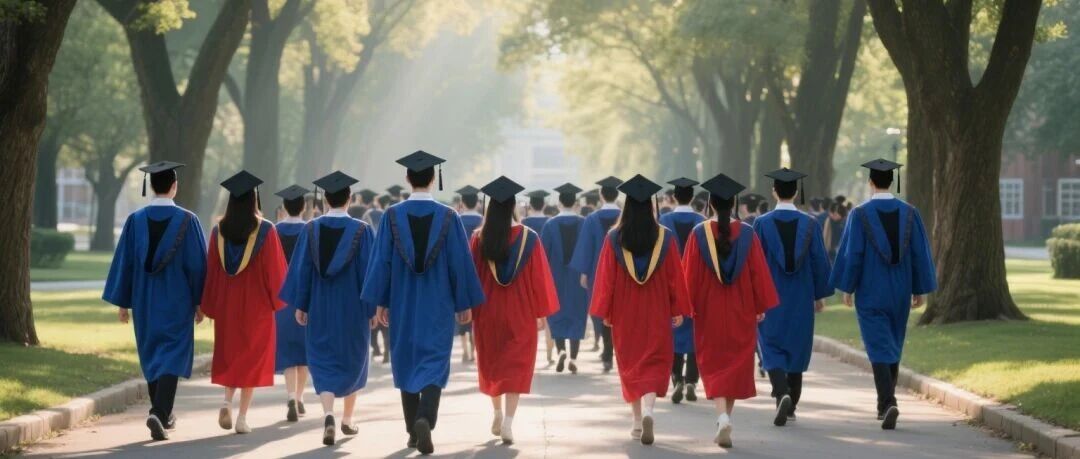
多地普通高中大幅扩招,广东今年将新增普高学位超20万个
Di Yi Cai Jing· 2026-01-27 10:37
Group 1 - The core viewpoint of the articles highlights the significant increase in ordinary high school enrollment rates across various regions in China, with some areas surpassing 70% [1][3] - Zhoushan City in Zhejiang Province has implemented a "universal promotion to high school" system, ensuring that all eligible junior high school graduates can enroll in ordinary high schools starting from the 2025 academic year, achieving a high school enrollment rate of 81% [1] - Nationally, the enrollment in ordinary high schools has been on the rise, with 10.36 million students expected to enroll in 2024, marking the first time this figure exceeds 10 million, and an increase of 684,000 from the previous year [1] Group 2 - The Central Economic Work Conference emphasizes the need to adjust the layout of educational resources and increase the supply of ordinary high school places and quality undergraduate admissions [2] - Guangdong Province plans to add over 200,000 ordinary high school places by 2026, as part of its broader investment in basic education [2] - Hubei Province is also expanding its high school capacity, with cities like Wuhan planning to add 8,000 quality high school places, while other cities like Xiangyang and Shiyan are also increasing their ordinary high school capacities [2] Group 3 - Nantong City in Jiangsu Province plans to build or expand seven ordinary high schools this year, adding at least 5,000 new high school places [3] - Various regions are actively increasing high school capacities to alleviate parental anxiety regarding vocational and academic tracks, with many vocational schools also allowed to enroll comprehensive high school classes [3] - The ongoing reforms in vocational and academic education aim to ease the transition between these tracks, with some areas exploring pathways for students to transfer between ordinary high schools and vocational schools [3]
教育部明确2026年重点任务,新增高教资源向人口大省、中西部倾斜
Di Yi Cai Jing· 2026-01-08 13:59
Group 1 - The Ministry of Education will initiate a new round of "Double First-Class" construction in 2026, focusing on high-quality development of local ordinary universities and aligning applied universities with regional strategic needs [1] - The expansion of the "Double First-Class" initiative will consider universities' performance in national scientific awards and their breakthroughs in fundamental disciplines [1] - The Ministry of Education aims to optimize the distribution of higher education resources, particularly directing new resources towards populous provinces and central and western regions [2] Group 2 - In January 2024, the Ministry of Education announced the approval of 15 new undergraduate institutions, with 9 located in central and western regions, highlighting a trend of addressing educational shortfalls in these areas [2] - The number of ordinary high school enrollments in China has been increasing, with 2024 seeing a record enrollment of 10.36 million, marking a significant rise of 684,000 from the previous year [3] - The overall admission rate for ordinary high schools in 2024 is projected to exceed 60%, reaching 61.02%, indicating a growing accessibility to high school education [3]
中央明确:普通高中、优质本科扩招
第一财经· 2025-12-11 13:14
Core Viewpoint - The article discusses the outcomes of the Central Economic Work Conference held on December 10-11, which outlines the economic work for 2026, emphasizing the importance of improving education resources and increasing enrollment in high schools and quality undergraduate programs to adapt to changing population dynamics [3]. Group 1: Education Resource Allocation - The article highlights the need to adjust education resource allocation in response to demographic changes, including optimizing urban and rural education resources and enhancing dynamic adjustments across different educational stages [4]. - It emphasizes the importance of resource sharing between primary and secondary schools, encouraging local governments to facilitate resource sharing and construction of new schools that can adapt to future demographic changes [4]. Group 2: High School Enrollment Trends - High school enrollment has been on the rise, with the number of students exceeding 10 million for the first time in 2024, reaching 10.36 million, an increase of 684,000 from the previous year, and a record admission rate of 61.02% [4][5]. - Various regions have expanded high school capacities, with some areas achieving a high school enrollment rate exceeding 70%, and reforms are being implemented to facilitate the integration of vocational and academic tracks [5]. Group 3: Higher Education Expansion - The article notes that the scale of quality undergraduate admissions will continue to expand, with plans to increase enrollment by an additional 20,000 students in 2024, building on a previous increase of 16,000 students [6]. - The focus of the expansion will be on meeting national strategic needs and societal development, particularly in emerging fields such as artificial intelligence, integrated circuits, and biomedicine [6].