
优质本科扩招

Search documents
普通高中、优质本科今年持续扩招
第一财经· 2026-03-05 04:23
Core Viewpoint - The article discusses the adjustments in China's education system in response to changing demographics, emphasizing the expansion and improvement of educational resources, particularly in basic and higher education [2][3]. Group 1: Basic Education - The government report highlights the need to adapt to changes in school-age population structure, focusing on enhancing the quality and distribution of educational resources [2]. - The number of students in primary schools peaked in 2023, with junior high expected to peak in 2026 and high school in 2029 [2]. - In 2024, the enrollment in ordinary high schools is projected to exceed 10.36 million, marking a significant increase of 684,000 from the previous year, with a recorded admission rate of 61.02% [3]. Group 2: High School Enrollment - Various regions are significantly increasing high school enrollment, with Guangdong adding over 200,000 new ordinary high school places [4]. - Wuhan plans to add 8,000 quality high school places, while other cities like Xiangyang and Shiyan are also expanding their high school capacities [5]. - The overall admission rate for ordinary high schools is expected to rise to 62.36% in 2025, reflecting ongoing efforts to improve access to education [3]. Group 3: Higher Education - The expansion of quality undergraduate enrollment will continue, focusing on meeting national strategic needs and societal development [5]. - The gross enrollment rate for higher education has surpassed 60%, but the proportion of quality undergraduate programs remains relatively small [6]. - The report emphasizes the need for a mechanism that aligns talent cultivation with economic and social development, advocating for reforms in higher education institutions [6].

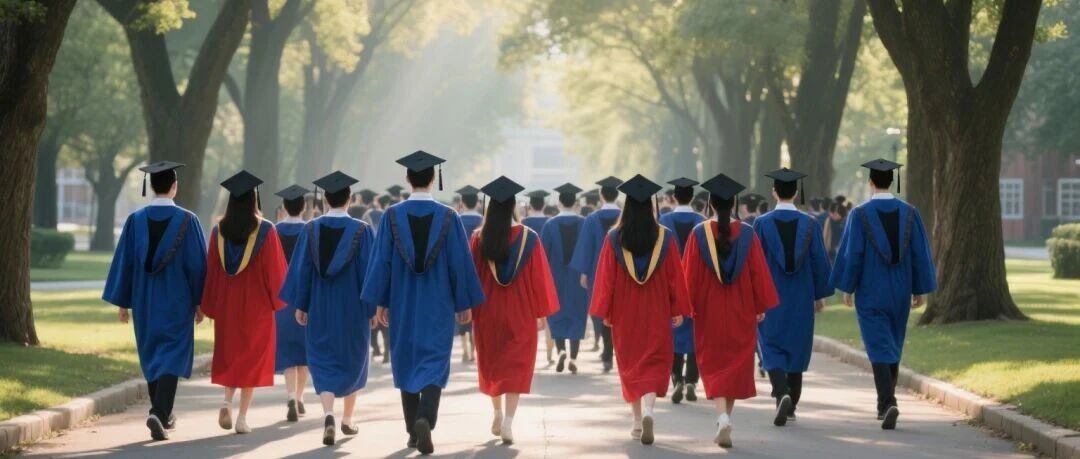
如何适应人口变化动态调配教育资源?怀进鹏解读“十五五”
Nan Fang Du Shi Bao· 2025-11-03 13:58
Group 1 - The core viewpoint of the news is the emphasis on education in the "15th Five-Year Plan," highlighting the exploration of extending compulsory education and expanding free education [1][2][3] - The plan mentions the need to enhance the accessibility and quality of public education services, focusing on balanced development in compulsory education and expanding resources for ordinary high schools [2][3] - The proposal to extend compulsory education from 9 years to potentially 12 or 15 years is a significant strategic shift in China's education policy, responding to demographic changes and societal needs [3][4] Group 2 - The plan includes a focus on expanding the enrollment of high-quality undergraduate programs to address the increasing number of college applicants, which is projected to reach 13.42 million in 2024 [4][5] - The government aims to optimize higher education structure and improve quality through targeted enrollment increases in urgently needed disciplines [4][5] - There is a call for collaboration between education, technology, and talent development, emphasizing the importance of building a strong innovation ecosystem and enhancing international academic exchanges [5][6]
双一流大学密集宣布本科扩招
第一财经· 2025-10-30 07:35
Core Viewpoint - The article emphasizes the expansion of high-quality undergraduate education in China, driven by government initiatives to increase enrollment in "double first-class" universities and align educational offerings with national strategic needs [2][3][4]. Group 1: Expansion of Quality Undergraduate Education - The Chinese government plans to continue expanding the scale of quality undergraduate education, with a target to increase enrollment by an additional 20,000 students this year, following last year's increase of 16,000 [2][3]. - Major universities, including Tsinghua, Peking University, and Shanghai Jiao Tong University, have announced plans to expand their undergraduate enrollment by 150 students each this year [3]. Group 2: Focus on Strategic Fields - The expansion of undergraduate programs will focus on areas critical to national strategic needs, such as artificial intelligence, integrated circuits, and biomedicine, among others [4][5]. - New research-oriented universities are emerging, attracting high-scoring students and competing with established 985 universities in terms of admission scores [4]. Group 3: Curriculum and Program Optimization - The Ministry of Education has issued guidelines to optimize undergraduate program offerings, emphasizing the need to align with national strategies and market demands [5][6]. - Institutions are encouraged to develop new interdisciplinary programs and enhance existing ones to better meet the needs of emerging industries and societal demands [5][6]. Group 4: Infrastructure Development - Several "double first-class" universities are establishing new campuses to accommodate the growing number of students and to focus on emerging interdisciplinary fields [6]. - For instance, Huazhong Normal University is developing a new campus that will concentrate on key areas such as artificial intelligence and integrated circuits, aiming to cultivate top-tier innovative talent [6].
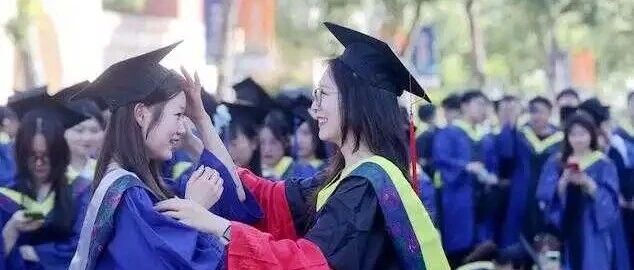
优质本科持续扩招,多所双一流高校建设新校区
Di Yi Cai Jing· 2025-10-30 07:19
Core Insights - The Chinese government aims to enhance the quality and expand the scale of undergraduate education, with a focus on increasing enrollment in high-quality institutions [2][3] Group 1: Expansion of Quality Undergraduate Education - The government plans to continue expanding the enrollment scale of quality undergraduate programs, targeting an increase of 20,000 students this year following last year's increase of 16,000 [2][3] - Major universities, including Tsinghua University, Peking University, and Shanghai Jiao Tong University, have announced plans to increase their undergraduate enrollment by 150 students each [3] Group 2: Focus on Strategic Fields - The expansion of quality undergraduate programs will prioritize fields aligned with national strategic needs, particularly in emerging technologies such as artificial intelligence, integrated circuits, and biomedicine [3][5] - New research-oriented universities are emerging, attracting high-scoring students and competing with traditional prestigious institutions [4] Group 3: Curriculum and Professional Development - The Ministry of Education has issued guidelines to optimize professional settings based on national strategies and market demands, emphasizing the need for interdisciplinary and emerging professional fields [5] - Universities are encouraged to develop programs in strategic emerging industries, including AI, biotechnology, and renewable energy, to meet national talent needs [5] Group 4: New Campuses and Facilities - Several top-tier universities are establishing new campuses to accommodate the growing enrollment and focus on interdisciplinary studies [6] - For instance, Huazhong Normal University is developing a new campus that will focus on key areas such as AI and integrated circuits, aiming to cultivate innovative talent [6]