
教育资源布局结构调整

Search documents
普通高中、优质本科今年持续扩招
第一财经· 2026-03-05 04:23
Core Viewpoint - The article discusses the adjustments in China's education system in response to changing demographics, emphasizing the expansion and improvement of educational resources, particularly in basic and higher education [2][3]. Group 1: Basic Education - The government report highlights the need to adapt to changes in school-age population structure, focusing on enhancing the quality and distribution of educational resources [2]. - The number of students in primary schools peaked in 2023, with junior high expected to peak in 2026 and high school in 2029 [2]. - In 2024, the enrollment in ordinary high schools is projected to exceed 10.36 million, marking a significant increase of 684,000 from the previous year, with a recorded admission rate of 61.02% [3]. Group 2: High School Enrollment - Various regions are significantly increasing high school enrollment, with Guangdong adding over 200,000 new ordinary high school places [4]. - Wuhan plans to add 8,000 quality high school places, while other cities like Xiangyang and Shiyan are also expanding their high school capacities [5]. - The overall admission rate for ordinary high schools is expected to rise to 62.36% in 2025, reflecting ongoing efforts to improve access to education [3]. Group 3: Higher Education - The expansion of quality undergraduate enrollment will continue, focusing on meeting national strategic needs and societal development [5]. - The gross enrollment rate for higher education has surpassed 60%, but the proportion of quality undergraduate programs remains relatively small [6]. - The report emphasizes the need for a mechanism that aligns talent cultivation with economic and social development, advocating for reforms in higher education institutions [6].

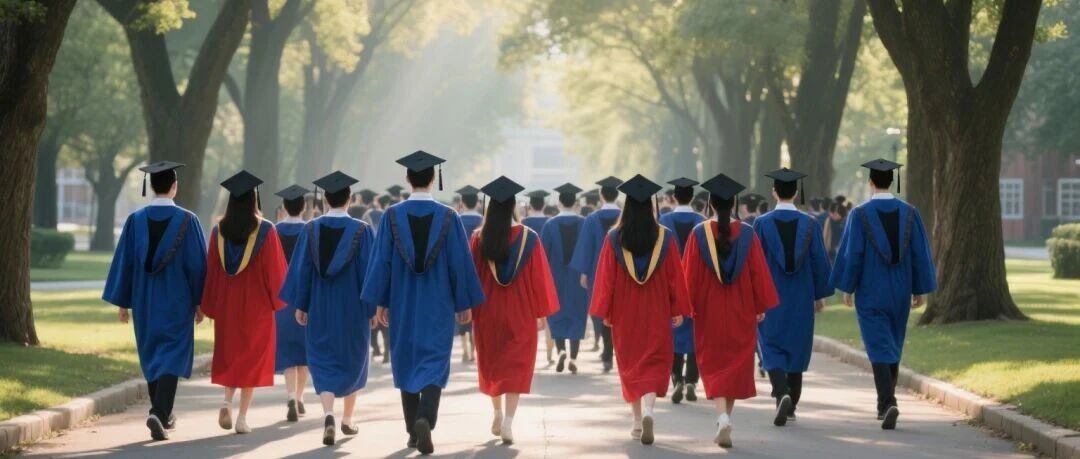
2025拿下多个全国第一!省两会,江苏教育又“上新”
Xin Lang Cai Jing· 2026-02-05 14:08
Core Viewpoint - Jiangsu province is making significant strides in education, achieving numerous national rankings and focusing on quality and equitable education in its future plans [1][8]. Group 1: Achievements in Education - Jiangsu's early childhood education and balanced development of compulsory education are ranked among the best in the country during the 14th Five-Year Plan [1]. - The province has 16 universities and 48 disciplines included in the "Double First Class" initiative [1]. - In the past year, Jiangsu has restructured 63 provincial key laboratories and ranked first in the number of individuals selected for national major talent projects [1][3]. - The number of admissions to ordinary high schools, undergraduate programs, and high-level universities has reached historical highs [1]. - Jiangsu leads the nation with 31 comprehensive reform pilot projects for building a strong education country [3]. - The province has been recognized for its achievements in vocational education, including 294 national planning textbooks and 113 gold medals at the World Skills Competition [4]. Group 2: Future Plans for Education - The government report emphasizes promoting educational equity and quality, including the implementation of free preschool education and increasing the supply of ordinary high school places [8]. - Plans include enhancing the quality of student dormitories in provincial universities and supporting the establishment of high-level vocational colleges [8]. - The report outlines initiatives to strengthen artificial intelligence education and improve the integration of education and technology [8]. - A focus on creating a supportive environment for innovation and entrepreneurship among youth is highlighted, with plans to support international talent recruitment [8]. - The 2026 civil affairs agenda includes 45 initiatives related to education, such as expanding community childcare services and enhancing mental health support for youth [9][10].

中央经济工作会议解读:如何理解“增加普通高中学位供给和优质本科招生”
Jing Ji Guan Cha Wang· 2025-12-11 14:12
Group 1 - The core viewpoint of the economic work conference held on December 10-11 in Beijing emphasizes the need for structural adjustments in the distribution of educational resources, aiming to increase the supply of ordinary high school places and the enrollment of quality undergraduate programs [1] - The adjustment of educational resource distribution is not limited to a specific educational stage but covers the entire education system from kindergarten to university, addressing the significant impact of decreasing school-age children and accelerated urbanization on the supply-demand relationship in education [1][2] - The phenomenon of "passive urbanization" highlights the marginalization of educational resources in county areas, with a focus on revitalizing county-level education through the "National County Middle School Revitalization Action Plan" to improve the quality and balance of education [2] Group 2 - In terms of increasing the supply of ordinary high school places, there is a notable supply-demand contradiction driven by both policy emphasis and parental demand, with ordinary high school enrollment surpassing 10 million for the first time, yet structural imbalances remain evident [3] - The current educational supply-demand situation shows an oversupply in primary education, a balance in junior high, and a shortage in ordinary high schools, leading to heightened parental anxiety regarding school choice due to quality disparities [3] - The expansion of quality undergraduate enrollment should not be viewed merely as an increase in numbers; the adjustments are aimed at meeting the demands of current industrial and technological developments, focusing on foundational, emerging, and interdisciplinary fields [4][5]