景区工业化

Search documents
中国景区,大型工业预制菜?
创业邦· 2025-12-22 10:11
Core Viewpoint - The current state of Chinese tourist attractions is likened to industrial pre-packaged meals, emphasizing convenience and efficiency over unique experiences and cultural depth [5][7]. Group 1: Standardization and Homogeneity - The tourism experience in China has become highly standardized, lacking in uniqueness and depth, akin to pre-packaged meals that are easy to consume but lack soul [7][8]. - The rapid increase in the number of A-level tourist attractions, reaching 16,500, indicates a trend towards industrialized production of attractions, with a focus on uniformity and standardization [12][14]. - The A-level rating system for tourist attractions creates a competitive environment where all attractions must conform to the same standards, leading to a lack of diversity in offerings [12][14]. Group 2: Commercialization and Visitor Experience - The focus on hard metrics for scoring, such as the size of visitor centers and parking facilities, leads to an emphasis on infrastructure over visitor satisfaction and experience [14][18]. - The commercialization of attractions results in a high turnover of visitors, prioritizing quick financial returns over meaningful engagement with the site [18][19]. - The experience of visitors is often reduced to a mechanical process, where they are funneled through attractions without genuine engagement, leading to a sense of fatigue and disillusionment [11][18]. Group 3: Comparison with International Practices - In contrast to international practices, where local residents often enjoy lower entry fees to attractions, China's approach tends to impose higher costs on visitors, raising questions about the management of public resources [19][20]. - The upcoming implementation of the National Park Law in China may provide an opportunity to rethink the commercial logic of tourism, potentially leading to a more integrated approach that benefits both visitors and operators [20][23]. - Successful international models demonstrate that providing free access to natural resources while enhancing visitor experience through quality services can lead to greater economic benefits than merely charging for entry [23].

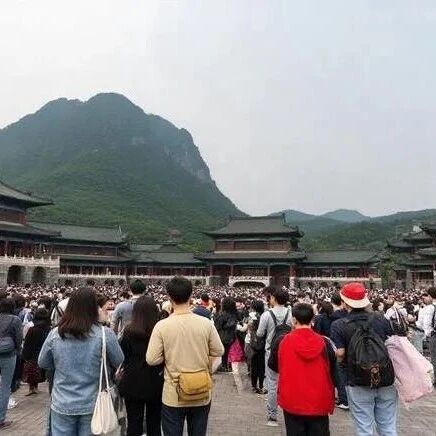
中国景区,大型工业预制菜?
虎嗅APP· 2025-12-20 09:27
Core Viewpoint - The current state of Chinese tourist attractions is likened to industrially produced pre-packaged meals, characterized by high homogeneity and lack of unique experiences, leading to a sense of numbness among visitors [5][10][12]. Group 1: Tourist Experience - The experience at many popular tourist sites is standardized, with visitors facing long queues, mandatory transportation fees, and a lack of authentic cultural engagement [14][15][21]. - Attractions often feature commercialized environments with uniform shops selling mass-produced souvenirs, diminishing the sense of place and authenticity [24][26][27]. - The overwhelming focus on efficiency and throughput in tourist attractions mirrors the fast-food industry, prioritizing quick visitor turnover over meaningful experiences [49][51]. Group 2: Industry Trends - During the "14th Five-Year Plan," approximately 2,600 new A-level tourist attractions were added, bringing the total to 16,500, indicating a continuous industrialization of the tourism sector [29]. - The A-level rating system for attractions promotes a uniformity that prioritizes physical infrastructure over unique cultural or ecological attributes, leading to a one-size-fits-all approach [31][38][40]. - The emphasis on hard metrics for scoring, such as visitor center size and parking capacity, often results in excessive spending on infrastructure rather than enhancing visitor experience [39][41][42]. Group 3: Economic Implications - The current model of tourism relies heavily on maximizing visitor numbers and quick monetization, often at the expense of quality and sustainability [48][50]. - There is a contrast between domestic and international pricing strategies for attractions, with local residents often enjoying lower fees compared to foreign tourists, reflecting a different approach to resource management [57][59]. - The upcoming implementation of the National Park Law in 2026 may provide an opportunity to rethink the commercial logic of tourism, potentially integrating better service and experience with economic benefits [60][65].
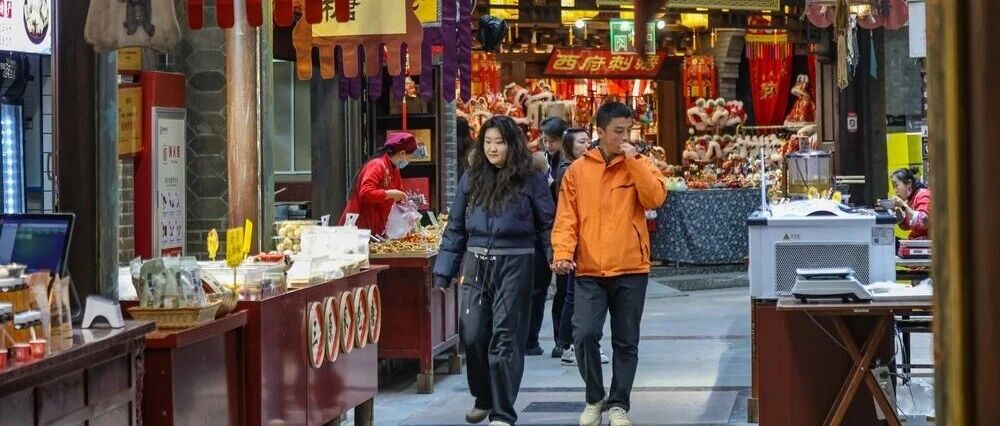
中国景区,大型工业预制菜?
3 6 Ke· 2025-12-18 02:17
Core Viewpoint - The current state of China's tourist attractions is likened to industrially produced pre-packaged meals, emphasizing convenience and efficiency over unique experiences [2][4][20]. Group 1: Industry Trends - During the "14th Five-Year Plan" period, approximately 2,600 new A-level scenic spots have been added, bringing the total to 16,500, indicating a continuous industrialization of tourist attractions [12]. - The A-level scenic spot rating system creates a uniformity across attractions, leading to a lack of distinctive features, as all sites are evaluated by the same criteria regardless of their unique characteristics [12][16]. Group 2: Visitor Experience - Tourists often face a standardized experience characterized by long queues, mandatory transportation fees, and commercialized environments that detract from the natural beauty and cultural significance of the sites [5][6][9]. - The focus on infrastructure and quantifiable metrics for ratings leads to the construction of large visitor centers and facilities that prioritize scoring over visitor satisfaction [16][19]. Group 3: Economic Implications - The business model of these attractions is driven by maximizing visitor throughput, akin to fast food operations, where the goal is to quickly process tourists for profit [20]. - The article suggests that the current approach to tourism in China is misaligned with global practices, where local residents often enjoy lower entry fees to attractions, allowing for a more equitable access to public resources [21][22]. Group 4: Future Considerations - The upcoming implementation of the National Park Law in 2026 may provide an opportunity to rethink the commercial logic of the tourism industry, potentially leading to a more integrated approach that benefits both businesses and visitors [23][26].