
服务类社会救助

Search documents
社会救助法草案二审 加强个人隐私和信息保护
Zhong Guo Xin Wen Wang· 2026-02-25 09:06
Core Viewpoint - The draft of the Social Assistance Law is undergoing a second review, focusing on enhancing the protection of personal privacy and information [1] Group 1: Personal Information Protection - The draft emphasizes the need to protect personal privacy and information in social assistance work, mandating that relevant units and personnel handle personal information according to legal, legitimate, and necessary principles [1] - The draft specifies that information required for social assistance applications must be limited to situations relevant to the application, adhering to the principle of necessity [1] - Legal responsibilities for the disclosure of personal privacy or information have been added to the draft [1] Group 2: Development of Service-Oriented Assistance - The draft includes specific provisions for service-oriented social assistance, providing legal support for the development of necessary care, living, and support services for social assistance recipients [1]
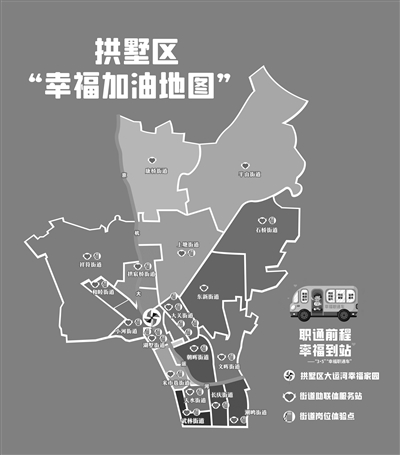
拱墅创新打造幸福“职通车”
Mei Ri Shang Bao· 2025-12-03 02:41
Core Viewpoint - The "Happiness Employment Bus" initiative in Gongshu District is effectively transforming the lives of disadvantaged groups by providing job opportunities and fostering social integration, allowing individuals to transition from being recipients of aid to active contributors in society [4][5][6]. Group 1: Employment Opportunities - The "Happiness Employment Bus" project offers job support services to disadvantaged groups, helping them find pathways to self-worth and social integration [4][6]. - The initiative has established 40 "job experience points" within the "Great Canal Happiness Home" to encourage individuals to step out of their homes and gain work experience [6]. - A total of 147 individuals have successfully found employment through the program, showcasing its effectiveness in addressing employment challenges [6]. Group 2: Skills Development - The program has implemented a dual mentorship system involving both corporate and professional mentors to address the skills gap among disadvantaged groups [6]. - Over 60 training sessions covering various skills such as live streaming, document management, and coffee service etiquette have been conducted, benefiting more than 940 participants [6]. - The initiative aims to shift from "blood transfusion" style aid to "blood production" style support, focusing on skill development and employment [6]. Group 3: Future Plans - Gongshu District plans to continue enhancing the "Happiness Employment Bus" mechanism by providing tailored services based on the needs and abilities of disadvantaged individuals [7]. - The goal is to create a bridge to a better life for these groups through employment support, fostering a sense of belonging and personal growth within the community [7].

服务类救助,怎样助到心坎上
Huan Qiu Wang· 2025-11-11 02:35
Core Viewpoint - The article discusses the implementation of service-oriented social assistance programs in China, highlighting the shift from material aid to a comprehensive support model that includes various services to meet the diverse needs of vulnerable populations [2][9]. Group 1: Service-Oriented Social Assistance - The Ministry of Civil Affairs and the Ministry of Finance issued a plan to pilot service-oriented social assistance across 5 provinces and 22 cities, transitioning from a material-only approach to a "material + service" model [2][3]. - The pilot program aims to enhance the quality of social safety nets by increasing service supply and addressing the diverse needs of disadvantaged groups [2][3]. Group 2: Data-Driven Identification - A dynamic monitoring platform in Shandong province utilizes big data to identify low-income individuals, allowing for proactive outreach and assistance [5][6]. - The shift from "people finding policies" to "policies finding people" has improved the efficiency of social assistance delivery [5][6]. Group 3: Personalized Services - The article describes various personalized services offered to individuals, such as rehabilitation training and employment support, which are tailored to meet specific needs [10][12]. - The introduction of a service package worth 1,000 yuan per year for low-income individuals under 60 aims to provide comprehensive support beyond financial aid [10][12]. Group 4: Community Engagement and Support - Community initiatives, such as live-streaming sessions for policy dissemination and direct engagement with residents, have been effective in addressing the needs of vulnerable populations [8][17]. - The "融救联助" service system in Xi'an integrates multiple resources to provide targeted assistance to those in need [17]. Group 5: Standardization and Monitoring - The establishment of standardized service protocols and a real-time monitoring system ensures that social assistance services are delivered effectively and meet quality standards [18][19]. - A comprehensive management system tracks service delivery and outcomes, enhancing transparency and accountability in social assistance programs [20][21]. Group 6: Impact on Individuals - The article illustrates the positive impact of these social assistance programs on individuals, such as improved quality of life and increased self-worth among beneficiaries [22].
服务类救助,怎样助到心坎上(人民眼·社会救助)
Ren Min Ri Bao· 2025-11-09 22:20
Core Viewpoint - The article discusses the transformation of social assistance in China from a purely material support system to a comprehensive service-oriented model, emphasizing the importance of personalized and timely assistance for vulnerable populations [5][20]. Group 1: Policy and Implementation - In July 2024, the Ministry of Civil Affairs and the Ministry of Finance jointly issued a pilot work plan for service-oriented social assistance, marking a shift from single material aid to a "material + service" model [5]. - Five provinces and 22 cities (states) along with 42 counties (cities, districts) have been designated as pilot areas for this new model [5]. - The plan aims to enhance the quality of social safety nets and improve service delivery to meet the diverse needs of disadvantaged groups [5][20]. Group 2: Case Studies and Success Stories - The article highlights the story of Li Zhaoyi, who, after losing a leg due to illness, benefited from social assistance services that helped him regain mobility and find new employment [4][6]. - In Shandong Province, a dynamic monitoring information platform has been established to identify low-income individuals needing assistance, allowing for proactive outreach and support [8][12]. - The case of Kang Yumei in Ordos illustrates how personalized service offerings, such as home care and job training, have empowered individuals to improve their living conditions and regain a sense of purpose [13][18]. Group 3: Service Delivery and Community Engagement - The integration of online and offline services has been emphasized, with community leaders conducting live broadcasts to inform residents about available assistance programs [12]. - The "融救联助" (Integrated Relief and Assistance) service system in Xi'an combines government resources with social organizations to provide comprehensive support to those in need [20]. - The article notes that a total of 2.09 million low-income individuals have received service-oriented social assistance in Ordos since the beginning of 2024 [19]. Group 4: Standardization and Monitoring - The establishment of standardized service protocols and a real-time monitoring platform in Huimin County ensures that assistance is delivered effectively and meets the needs of recipients [21][23]. - The article describes a shift from a reactive to a proactive approach in service delivery, where community workers actively seek out individuals in need rather than waiting for them to apply for assistance [8][24]. - The implementation of a "red-yellow-green light" system for service providers helps maintain quality and accountability in the delivery of social assistance [23].

帮扶有精度 服务显温度(有所思)
Ren Min Ri Bao· 2025-11-09 22:20
Core Viewpoint - The article emphasizes the evolution of social assistance from traditional material support to a comprehensive model that includes both material and service-oriented aid, focusing on the diverse needs of vulnerable populations [1][2]. Group 1: Service-Oriented Social Assistance - The new model of social assistance prioritizes services such as rehabilitation training, meal and bathing assistance, psychological counseling, and employment training, marking a shift towards a "material + service" approach [1]. - There is a need to listen to the demands of vulnerable groups to better understand their unspoken needs, transitioning from a model where "people seek policies" to one where "policies seek people" [1]. Group 2: Precision in Resource Allocation - The complexity of social assistance requires collaboration beyond the capabilities of civil affairs departments, necessitating a multi-faceted approach to build a layered and categorized assistance system [1]. - Implementing differentiated support based on the actual conditions and causes of hardship for individuals is essential to shift from a "broad-brush" approach to "precise drip irrigation" of services [1]. Group 3: Regulatory Framework and Effectiveness - Establishing a robust regulatory framework is crucial for ensuring that assistance resources are effectively utilized and that their impact can be assessed [2]. - The transition from "resource provision" to "visible outcomes" is necessary to ensure that the warmth of services is sustained over time [2]. Group 4: Empowerment through Employment Training - The article highlights the importance of employment training as a means to empower individuals, transforming not only their living conditions but also their self-worth [2]. - The call for innovative measures to illuminate the lives of vulnerable populations reflects a commitment to enhancing the quality of life for ordinary people seeking happiness [2].
锲而不舍落实中央八项规定精神丨西安市碑林区:加强作风建设 为困难群众精准纾困
Xin Hua She· 2025-07-24 09:50
Group 1 - The article highlights the community support initiatives in Beilin District, focusing on the case of an 8-year-old girl, Tong Xiaona, who received assistance due to her family's financial difficulties [1] - The community implemented a "micro-wish" program to address the needs of children in distress, coordinating resources from various departments to provide financial aid and professional dance training for Xiaona [1][2] - The Beilin District's social assistance efforts are characterized by a comprehensive approach that includes identifying the specific needs of vulnerable populations through community engagement and data analysis [2][5] Group 2 - The establishment of "urgent service teams" in 105 communities aims to provide diverse social support services, including psychological counseling and rehabilitation training, to meet the varied needs of disadvantaged groups [2][3] - The community's initiatives also include services for the elderly, such as companionship and safety installations, demonstrating a commitment to enhancing the quality of life for vulnerable individuals [3][5] - The overall strategy emphasizes a shift in the approach of grassroots officials, focusing on delivering precise and compassionate assistance to address the urgent needs of the community [5]
