
极端天气应对

Search documents
文登区葛家中心卫生院开展寒潮冰雪天气下救护车应急演练
Xin Lang Cai Jing· 2026-01-27 16:54
Core Viewpoint - The article emphasizes the importance of emergency response preparedness, particularly for ambulance services during extreme winter weather conditions, to ensure the safety and efficiency of medical services and emergency responses [1] Group 1: Emergency Preparedness - The emergency drill conducted by the Gejia Central Health Center on January 21 aimed to enhance the management of ambulances and ensure the safety of emergency services during severe winter weather [1] - The drill simulated real-life scenarios of icy road conditions, focusing on the quick and safe deployment of ambulances in adverse weather [1] Group 2: Team Coordination and Skills - During the drill, ambulance drivers and medical staff demonstrated excellent coordination and skill in installing tire chains, completing the process efficiently without any operational errors [1] - The successful execution of the drill showcased the professional competence and emergency response capabilities of the ambulance team [1] Group 3: Impact on Community Safety - The exercise was designed to strengthen the emergency response framework, ensuring that the ambulance service can operate effectively during potential snow and ice events, thereby safeguarding public health [1] - The drill laid a solid foundation for maintaining clear emergency access routes for the community during extreme weather conditions [1]
春运将从2月2日开始,持续优化线上购票、自助安检等服务
Nan Fang Du Shi Bao· 2026-01-21 11:41
Core Viewpoint - The 2026 Spring Festival transportation period will last from February 2 to March 13, totaling 40 days, and is considered a significant public welfare project and political task, especially as it marks the beginning of the "14th Five-Year Plan" [1] Group 1: Transportation Organization - The meeting emphasized the need to strengthen transportation organization by enhancing passenger flow analysis, maximizing transport capacity, and increasing supply in key areas and peak times to meet public travel needs [1] - It was noted that the overall cross-regional personnel flow and passenger transport volume by rail and civil aviation are expected to reach historical highs during this year's Spring Festival [1] Group 2: Service Optimization - There will be continuous optimization of online ticket purchasing, self-service security checks, and waiting and transfer services, along with enhanced support for self-driving travel and guidance for staggered travel for students, workers, and tourists [2] Group 3: Safety and Emergency Preparedness - The meeting highlighted the importance of improving safety levels by enforcing safety responsibilities, conducting thorough inspections, and addressing weak points in safety management [2] - It also called for enhanced responses to extreme weather, including better forecasting and emergency plans, as well as coordination of essential resources like coal, electricity, oil, and gas [2] Group 4: Material Transport Assurance - There will be a coordinated effort to ensure the transportation of important energy, livelihood, and agricultural materials, as well as emergency supplies, to facilitate the orderly delivery of goods during the Spring Festival [2] Group 5: Community Engagement - The meeting encouraged the creation of a warm and vibrant Spring Festival atmosphere through volunteer services and support for key groups such as students, workers, and military personnel, along with increased publicity and care for frontline workers [2]
组建志愿服务队、开设爱心驿站……多地多部门迎“寒”而上保畅通保生产
Yang Shi Wang· 2026-01-20 02:11
Core Viewpoint - The article discusses the severe cold wave, snow, and freezing weather affecting various regions in China, prompting emergency responses and measures to ensure public safety and maintain essential services during this extreme weather event [1]. Group 1: Weather Impact and Emergency Responses - A cold wave and heavy snowfall are expected to impact regions such as Guizhou, Hunan, Hubei, Anhui, Jiangxi, Zhejiang, and Guangxi, with temperature drops of 10°C to over 16°C [1]. - The National Disaster Reduction Committee initiated a Level 4 emergency response to address the low-temperature and snow-related disasters [1]. - Various local authorities, including railway police, have activated emergency plans to ensure passenger safety amid travel disruptions caused by heavy snow [1]. Group 2: Transportation and Public Safety Measures - In Zhengzhou, a blue snowstorm warning was issued, with public transport departments deploying staff and volunteers to assist passengers during slippery conditions [2][4]. - In Shanxi, a blue snowstorm warning was also issued, leading to the closure of multiple highways due to heavy snowfall [6]. - Gansu province has implemented snow removal operations using both machinery and manual labor to maintain road safety [8]. Group 3: Agricultural and Infrastructure Protection - In Anhui, measures are being taken to protect vegetable production from the cold, with farmers covering crops to prevent damage [17]. - In Xinjiang, extreme temperatures reaching -46.4°C prompted local authorities to enhance heating measures for livestock and agricultural facilities [21]. - Jiangsu province has coordinated efforts across multiple departments to ensure urban operations, focusing on road de-icing and power supply maintenance [16].


寒潮持续 各地积极应对
Yang Shi Wang· 2026-01-19 12:26
Group 1 - The central meteorological station issued yellow alerts for cold waves, snowstorms, and freezing conditions, prompting regions to take measures against extreme weather [1] - Strong snowfall occurred in Gansu's Zhangye and Jinchang, with local authorities deploying additional personnel and heavy equipment for snow removal to ensure road safety [3] - In Inner Mongolia, temperatures dropped to minus 38°C, while Heilongjiang experienced its lowest temperatures of the winter with significant snowfall [3] Group 2 - Various regions including Xinjiang, Shanxi, Anhui, and Jiangsu experienced varying degrees of snowfall, with agricultural technicians advising farmers on measures to mitigate adverse weather impacts on agriculture [5] - The transportation departments implemented enhanced control measures for key routes and areas, ensuring timely and effective responses to warnings and efficient snow removal [5] - The State Grid mobilized over 40,000 repair personnel to ensure the safe and stable operation of the power grid and reliable electricity supply [7] Group 3 - The central meteorological station forecasts a temperature drop of 10-14°C in regions such as Jianghuai, Jiangnan, and South China over the next three days, with local areas potentially exceeding a drop of 16°C [7]
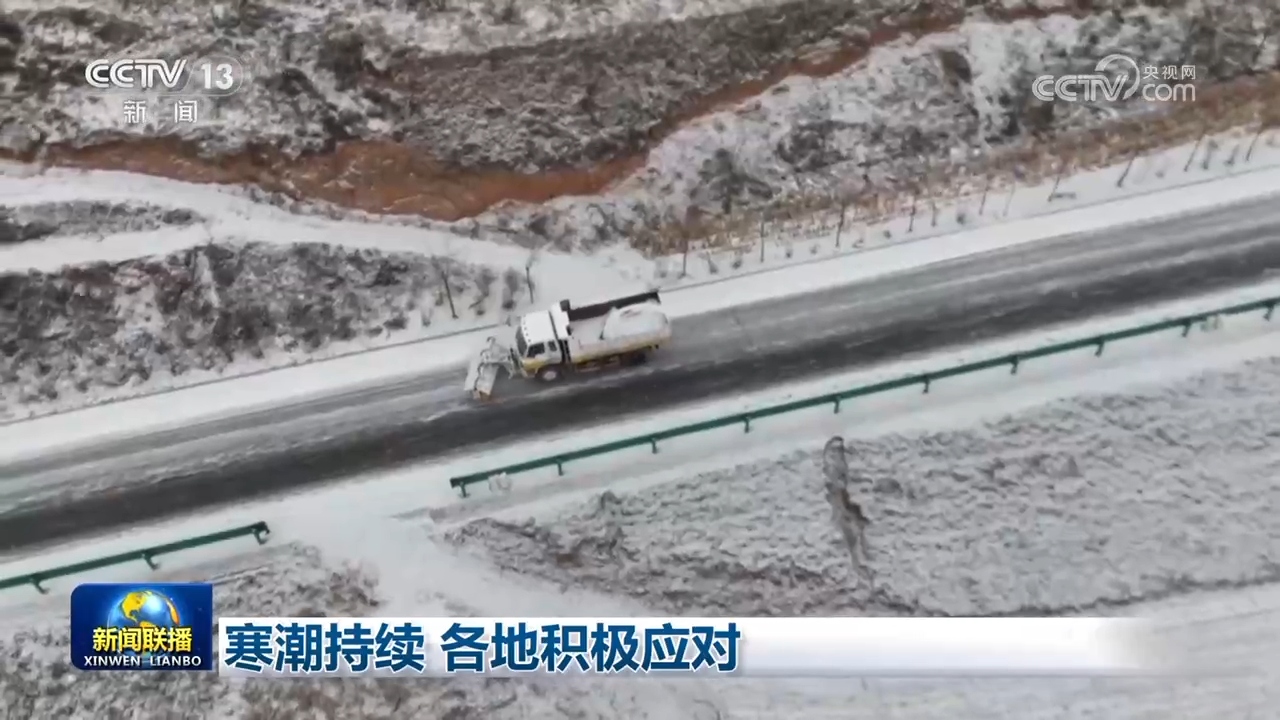
新疆多部门联动抵御今冬最强寒潮
Xin Lang Cai Jing· 2026-01-18 15:20
Core Viewpoint - The article discusses the severe cold wave affecting Xinjiang, highlighting the coordinated response from multiple departments to ensure public safety and maintain essential services during extreme weather conditions [1][2]. Group 1: Weather Impact - A strong cold air mass has swept across northern Xinjiang, with temperatures dropping to around -35°C and even -47°C in mountainous areas, leading to significant snowfall and local blizzards [1]. - The extreme weather poses challenges for transportation and daily life, prompting traffic control measures in affected areas [1]. Group 2: Emergency Response - Various departments, including transportation, sanitation, and agriculture, have initiated emergency responses to combat the cold wave, focusing on maintaining public safety and service continuity [1]. - Traffic management teams have implemented emergency plans, adding eight enforcement points and ensuring 24-hour patrols to prevent accidents and facilitate safe travel [2]. Group 3: Agricultural Considerations - The cold wave presents challenges for agricultural and livestock production, with officials visiting farms to ensure proper insulation and guidance for farmers to protect their livestock [2][3]. - In response to the cold, farmers have taken measures such as reinforcing barn insulation and stocking sufficient feed, with reports of high survival rates for newborn livestock [3].
湖北机场集团全力备战寒潮冰雪天气保障旅客安全顺畅出行
Zhong Guo Min Hang Wang· 2026-01-18 11:36
Core Viewpoint - The Hubei Airport Group is actively preparing for the strongest cold wave of the winter, focusing on operational safety and passenger service during extreme weather conditions [1][10]. Group 1: Operational Coordination - The airport group emphasizes the core goal of flight normalcy by enhancing operational coordination and dynamic scheduling [3]. - Flight plans are optimized in advance, with a focus on ensuring the first departing flight takes off within 10 minutes after the runway opens [3]. - A rolling consultation mechanism is in place to track weather changes in real-time, allowing for flexible adjustments to ground support operations [3]. Group 2: Snow and Ice Removal Capabilities - The airport group has significantly enhanced its snow and ice removal capabilities across various airports [4][6]. - Wuhan Tianhe Airport has increased its de-icing vehicles to 20, capable of handling different snow conditions, while also equipping the flight area with essential snow removal equipment [6]. - Other airports, including Ezhou Huahu Airport and those in Enshi, Xiangyang, and Jingzhou, have completed necessary equipment inspections and emergency team preparations [6]. Group 3: Passenger Service Enhancement - The airport group prioritizes passenger-centered services, enhancing the warmth of service during extreme weather [7][10]. - Measures include improved on-site guidance, support for ticket changes, and provision of hot food and beverages for vulnerable passengers [10]. - The group is also strengthening safety measures, including foreign object debris (FOD) control and emergency response preparations, to prevent negative public sentiment due to service shortcomings [10].
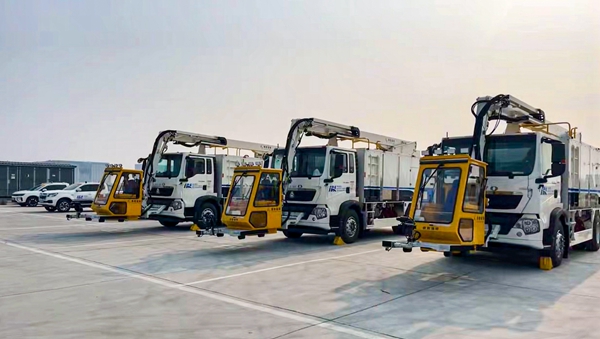
风雪齐袭新疆 多部门联动抵御寒潮
Xin Lang Cai Jing· 2026-01-18 09:08
Group 1 - The core viewpoint of the article highlights the severe cold wave affecting northern Xinjiang, with significant snowfall and local blizzards reported in regions such as Yili, Tacheng, and Altay [1] - The Xinjiang Meteorological Station forecasts that the minimum temperature in northern Xinjiang will drop to around -35°C, with some mountainous areas potentially reaching -47°C, indicating a rapid onset of freezing conditions [3] - The extreme weather poses serious challenges to public travel and daily life, leading to traffic control measures on certain routes [5] Group 2 - In response to the cold wave, multiple departments in Xinjiang have quickly activated emergency responses, collaborating across transportation, sanitation, and agriculture sectors to ensure public welfare and safety [7]
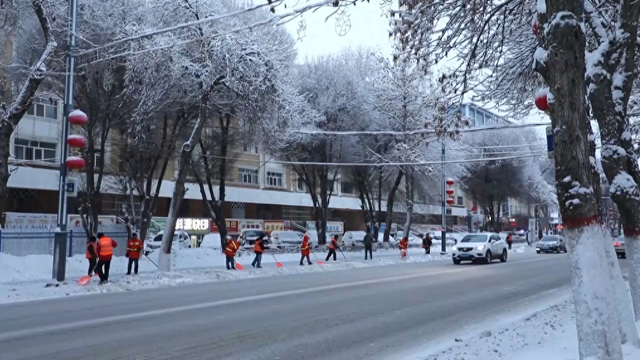
北方部分地区迎来雨雪寒潮天气 多部门迅速行动保畅通保供暖
Yang Shi Wang· 2025-10-16 03:20
Group 1: Weather Impact and Response - Heilongjiang province has experienced rain and snow, with temperatures expected to drop below 0°C, prompting early heating measures in multiple areas [1][3] - Harbin city has initiated staggered heating operations to ensure indoor temperatures meet standards by October 20 [3] - Several cities in Heilongjiang, including Jixi, Hegang, Qitaihe, Daqing, Jiamusi, and Heihe, have started heating operations [5] Group 2: Jilin Province Heating Measures - Jilin province has also seen a significant temperature drop due to strong cold air, leading to early heating activation in areas like Yanbian and Tonghua starting October 15 [8][10] - In Tonghua city, heating companies are actively managing coal procurement and storage, aiming to complete 60% of their total storage target by mid-October [12] Group 3: Xinjiang Weather and Transportation - Xinjiang has faced rain, snow, and temperature drops, with Urumqi and surrounding areas experiencing temperatures below 0°C [12] - The railway department in Xinjiang has suspended some passenger trains due to weather conditions and is conducting snow removal and safety inspections [14] - Traffic management in Changji city has been enhanced to address slippery road conditions during the early morning peak [16] Group 4: Inner Mongolia Weather Response - Inner Mongolia has seen snowfall since October 14, with temperatures dropping by 4-6°C, prompting immediate action from various departments [17] - Zhalantun city recorded a precipitation of 6.1 mm, with the maximum snowfall in the region reaching 13.6 mm [19] - Local authorities are actively monitoring weather conditions and managing traffic to ensure safety during the snowfall [21]

国务院常务会议解读|事关防汛救灾减灾,国务院作出部署
Xin Hua She· 2025-09-12 17:19
Core Points - The State Council meeting emphasized the need for enhanced flood prevention and disaster relief capabilities in northern regions due to frequent extreme rainfall and significant damage during the critical flood period of "July to August" [1] - Continuous improvement in climate adaptation and response capabilities is essential to better withstand challenges posed by extreme weather [1][2] Group 1 - The meeting highlighted the importance of maintaining vigilance against flood and typhoon risks even after the critical flood period has passed, stressing the need for effective disaster relief measures [1] - There is a call for improved accuracy in forecasting rainfall intensity, timing, and areas affected, particularly in high-risk zones such as mountainous flood-prone areas and geological disaster hotspots [1] - The meeting underscored the necessity of enhancing flood control infrastructure, urban drainage systems, meteorological monitoring, and emergency rescue facilities to elevate disaster response capabilities in northern regions [1] Group 2 - The Emergency Management Department stressed the importance of recognizing the suddenness, extremity, and uncertainty of extreme weather events, urging the implementation of detailed flood prevention and disaster relief measures [2] - Targeted inspections and remediation of weak flood prevention areas, such as small rivers and vulnerable reservoirs, are essential to ensure safety [2] - The department emphasized the need for pre-positioning rescue forces and disaster relief materials in high-risk areas, as well as improving emergency communication capabilities [2]
水利部:加快江河保护治理,把握应对极端天气主动权
2 1 Shi Ji Jing Ji Bao Dao· 2025-07-04 08:50
Core Viewpoint - The Chinese government has issued a guiding document on comprehensive river protection and governance, emphasizing the importance of water resource management and ecological restoration to ensure sustainable development and resilience against extreme weather events [1][2][3] Group 1: Policy Framework - The document outlines a strategic approach to river governance, focusing on water conservation, spatial balance, and systematic management [1] - It aims to establish a harmonious relationship between people and rivers, promoting a governance model where rivers nurture people and people protect rivers [1] Group 2: Goals and Objectives - By 2035, the goals include a modernized flood prevention system, improved water resource utilization, enhanced urban and rural water supply security, and a significant improvement in river ecological quality [1] - The document emphasizes the need for a robust water security framework to address the challenges posed by increasing extreme weather events due to climate change [2] Group 3: Ecological and Economic Considerations - The strategy highlights the necessity of restoring and protecting river and lake ecosystems to achieve harmony between human activities and nature [3] - It recognizes the uneven distribution of water resources in China and the need for coordinated governance across river basins to support high-quality economic development [3]