极简风

Search documents
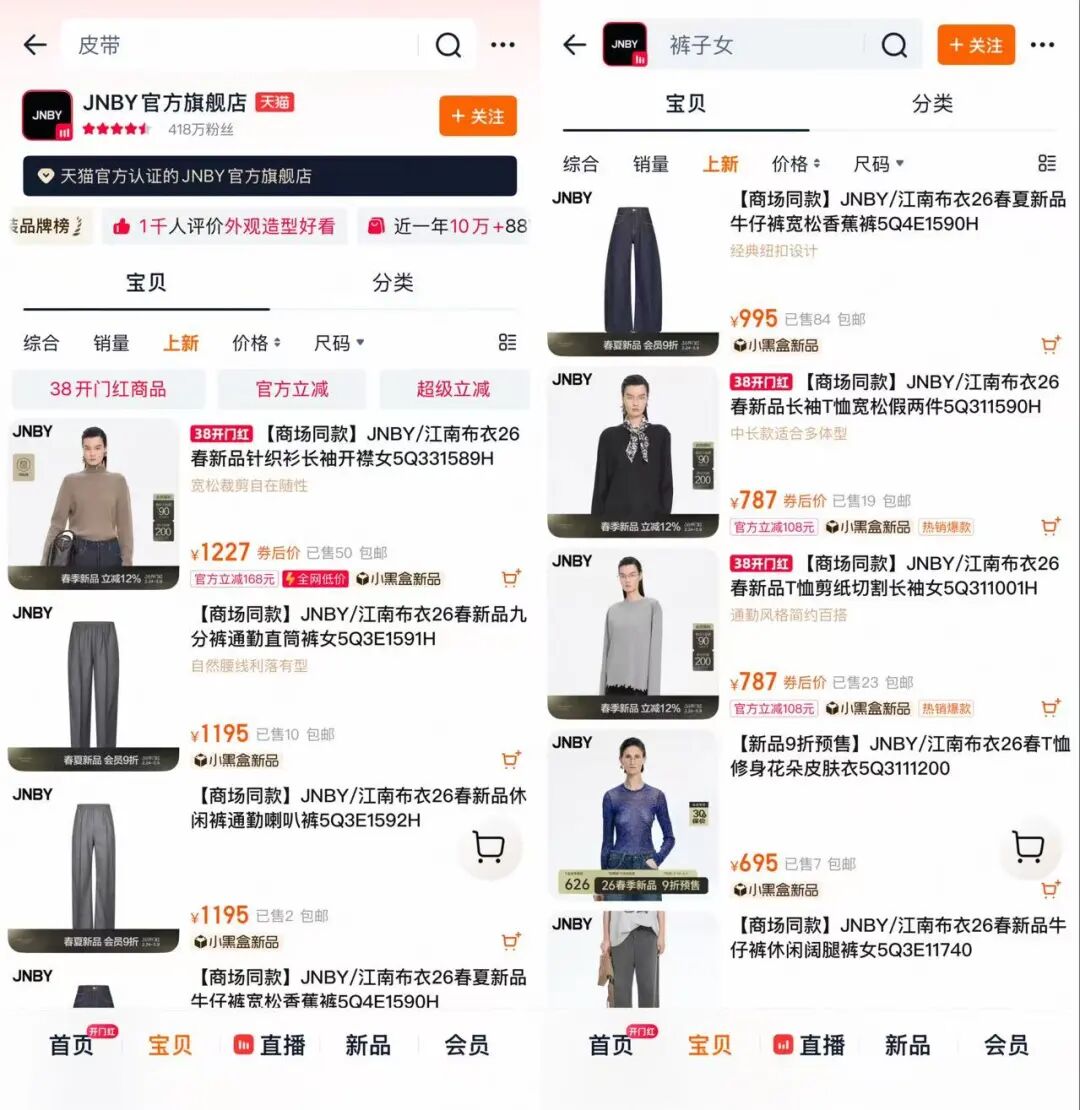
逛江南布衣,被班味儿呛到
3 6 Ke· 2026-03-09 07:24
Core Viewpoint - Jiangnan Buyi, once known for its artistic designs, is shifting towards a more minimalist and mainstream style, which has led to a notable increase in revenue despite concerns about losing its unique identity [1][4][5]. Financial Performance - For the first half of the 2026 fiscal year, Jiangnan Buyi reported total revenue of 3.376 billion yuan, a year-on-year increase of 7% [1]. - Net profit grew by 11.9%, with a gross margin increase of 1.4 percentage points to 66.5%, and a net profit margin of 20.0% [1]. Brand Strategy Shift - The brand is moving from a focus on individuality to a more simplified and practical design approach, aligning with current consumer trends towards minimalism and practicality [5][7]. - The marketing language has shifted to emphasize comfort, practicality, and timelessness, moving away from the previously artistic expressions [2][4]. Market Position and Competition - The shift towards minimalism has drawn attention in the market, with competitors like Uniqlo and other designer brands also targeting this space, leading to a crowded market [8][11]. - Jiangnan Buyi's transition to a more mainstream style may dilute its unique brand identity, raising concerns about potential homogenization in a competitive landscape [11][20]. Consumer Perception - There is a growing sentiment among consumers that the brand's offerings are becoming repetitive and lack innovation, with comments on social media reflecting dissatisfaction with the similarity of designs [13][15]. - The brand's pricing strategy shows a contradiction, with new products priced high while discounts on older items lead to consumer expectations of waiting for sales [11][20]. Brand Matrix and Growth - The main brand, JNBY, contributed over half of the revenue at 1.86 billion yuan, but its growth rate of 5.7% was the slowest among its segments [16]. - The LESS brand, targeting professional women, saw a revenue increase of 16.3%, indicating a successful alignment with consumer demand for quality and practicality [16][18]. Challenges in Retail Environment - The offline retail environment is facing challenges, with comparable store sales declining by 2.2% and distributor channel growth slowing to 0.3% [19][20]. - The brand must address the need for revitalizing offline channels while ensuring that online growth can complement the overall sales strategy [20].

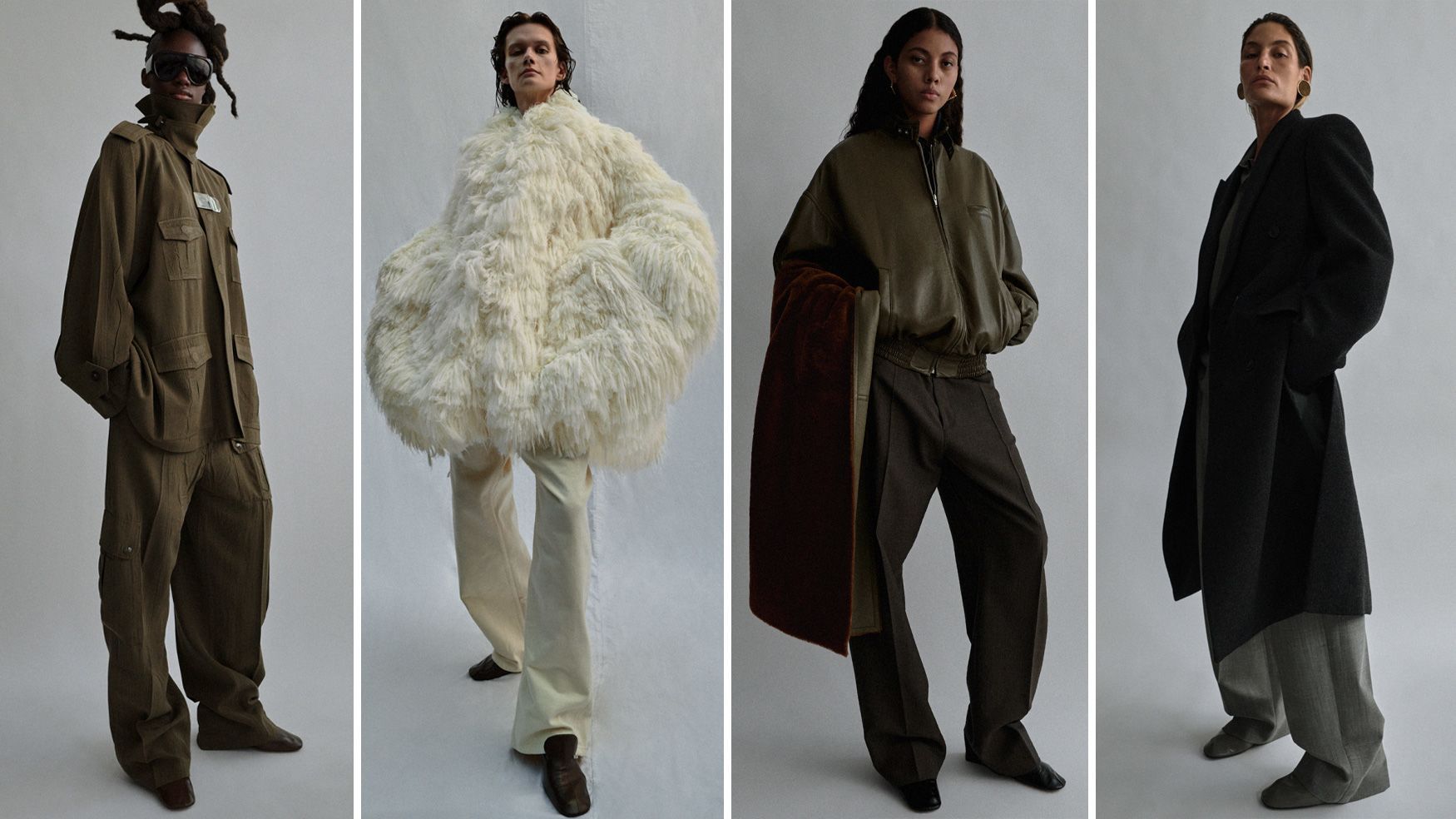
刚入华的时尚品牌Phoebe Philo盯上了中女们的钱包
3 6 Ke· 2025-08-06 08:23
Core Insights - Phoebe Philo is aggressively expanding into the Chinese market, signing with five retailers including luxury stores and new entrants, marking her first venture into China [1] - The brand targets urban women with independent aesthetics and purchasing power, despite high price points for items such as handbags averaging 40,000-50,000 RMB and jackets priced at 200,000 RMB [1] - Philo's design philosophy emphasizes quality and craftsmanship, positioning clothing as an investment rather than a mere purchase [1][2] Brand Background - Phoebe Philo, previously the creative director at Celine and Chloé, is recognized as a pioneer of minimalism in women's fashion, influencing many contemporary designers [2][5] - Her loyal fanbase, known as "Philophiles," remains devoted to her work from her Celine era, with dedicated social media accounts celebrating that period [5][6] Design Philosophy - Philo's designs are characterized by a minimalist approach, stripping away unnecessary elements while maintaining a luxurious feel, which has garnered critical acclaim [6][7] - The brand's recent collections have seen a mix of familiar styles with new, more absurd elements, reflecting a shift in Philo's design approach [14] Market Strategy - Phoebe Philo is moving towards a more commercial model, opening retail spaces in major cities and collaborating with emerging retail platforms to reach younger consumers [10][11] - The brand's first independent store is set to open in London's Mayfair, with plans for a fashion show and improved customer engagement through social media [11][13] Challenges and Adaptations - Despite initial success, the brand faces challenges such as high prices, inconsistent sizing, and customer dissatisfaction regarding material quality compared to her previous work at Celine [11][13] - Philo is adapting by expanding product ranges and improving return policies, while still maintaining a focus on her design ethos [13] Conclusion - Phoebe Philo's brand is evolving into a more typical luxury label, balancing her minimalist roots with the demands of the modern fashion market, including the introduction of her name on merchandise [15]
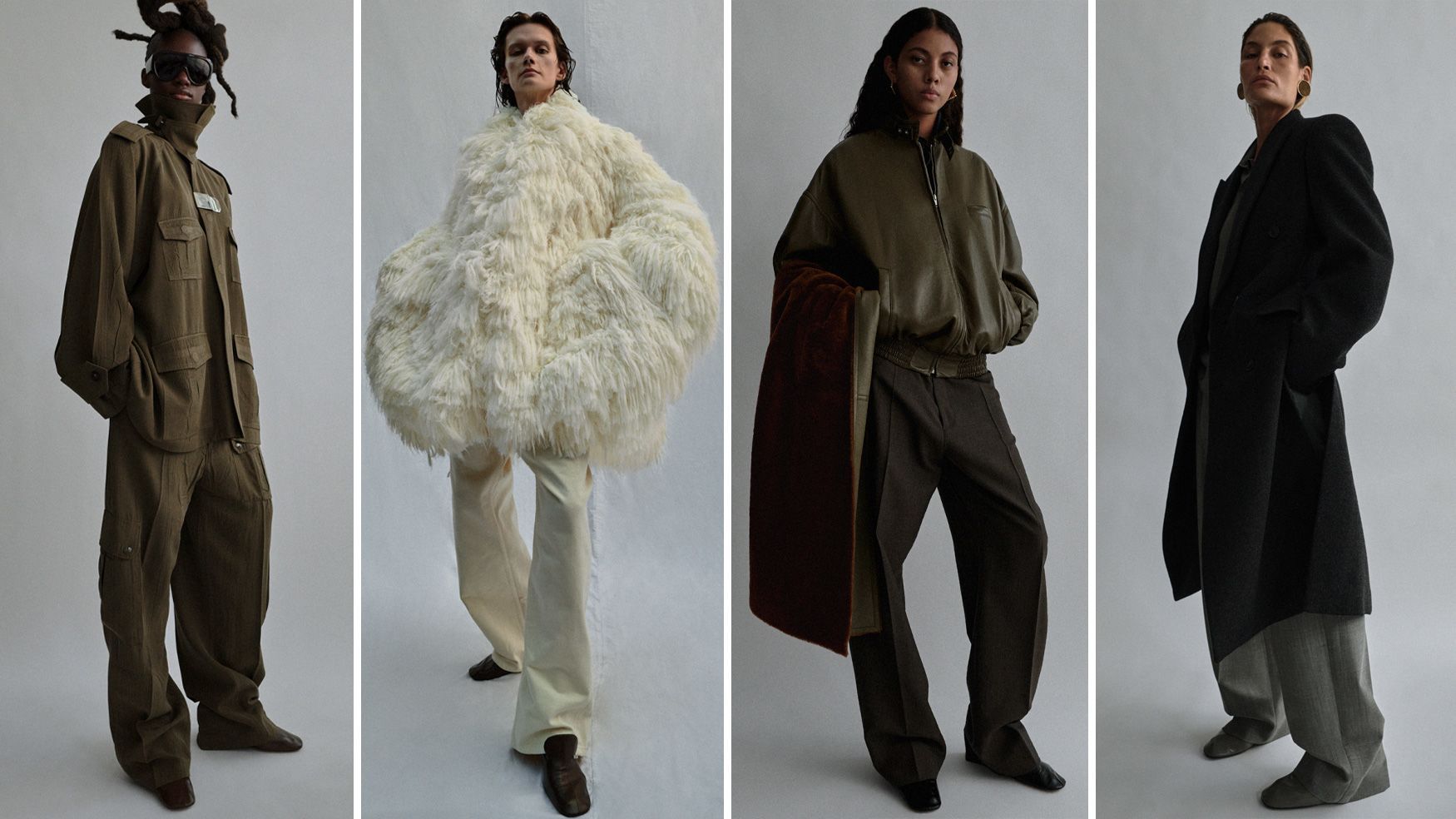
又一个刚入华的时尚品牌盯上了中女们的钱包
3 6 Ke· 2025-08-06 00:32
Core Insights - Phoebe Philo is aggressively expanding into the Chinese market, signing five retail partnerships, marking her first entry into China and a significant expansion strategy [1] - The brand targets urban women with independent aesthetics and purchasing power, despite high price points for items such as handbags averaging 40,000-50,000 RMB and jackets priced at 200,000 RMB [1] - Philo's design philosophy emphasizes quality and craftsmanship, viewing clothing as an investment, with a non-seasonal approach to collections [1][5] Brand Background - Phoebe Philo, previously the creative director at Celine and Chloé, is recognized as a pioneer of minimalism in women's fashion, influencing many contemporary designers [2][4] - Her loyal fanbase, known as "Philophiles," remains devoted to her work from her Celine era, with dedicated social media accounts celebrating that period [4] Design Philosophy - Philo's designs are characterized by a minimalist aesthetic, often described as intuitive and straightforward, reflecting her personal experiences and observations [5][6] - The brand's products are often seen as essential items despite lacking prominent logos, creating a sense of exclusivity and desirability [7] Market Strategy - Since last year, Phoebe Philo has been moving towards a more commercial approach, opening retail locations in major cities and collaborating with emerging retail platforms [8] - The brand plans to launch its first independent store in London's Mayfair and is focusing on social media engagement to reach a broader audience [8][12] Product Reception - The initial launch of 150 new items sold out within 24 hours, indicating strong demand, although some customers expressed disappointment regarding quality compared to previous Celine products [6][9] - Challenges include high prices, sizing issues, and limited after-sales service, which may affect customer satisfaction [9][11] Future Developments - The brand is working on improving return policies and expanding its product range to include more affordable options, while maintaining its high-end image [12] - Upcoming collections are expected to feature subtle changes in design, blending various styles and forms, reflecting a shift in Philo's creative direction [13][14]
又一个刚入华的时尚品牌盯上中女们的钱包
36氪未来消费· 2025-08-05 11:01
Core Viewpoint - Phoebe Philo is making a significant entry into the Chinese market with aggressive retail expansion, targeting independent urban women with high purchasing power, despite the high price points of her products [3][4][5]. Group 1: Brand Expansion and Market Strategy - Phoebe Philo has signed five retail partnerships in China, including luxury stores and new entrants, marking her first venture into the Chinese market [3]. - The brand's pricing strategy positions its products as investments, with handbags averaging 40,000-50,000 RMB and outerwear priced around 200,000 RMB [4]. - Philo's approach to retail includes collaborations with both traditional luxury retailers and emerging platforms, aiming to reach a younger, trend-seeking demographic [12]. Group 2: Design Philosophy and Consumer Connection - Philo is recognized as a pioneer of minimalism in women's fashion, with a loyal following that remains attached to her previous work at Celine [5][6]. - Her designs are characterized by a focus on quality and craftsmanship, with a belief that clothing should be intuitive and practical [6][8]. - The brand's recent collections have sold out quickly, indicating strong demand from her established fan base, despite some criticisms regarding quality and fit [8][14]. Group 3: Challenges and Adaptations - The transition to an independent brand has posed challenges, including sourcing materials and managing inventory risks without the support of a larger luxury group [14]. - Philo is adapting her business model by improving return policies and expanding product ranges to include more accessible price points [14][15]. - The brand's identity is evolving, with some critics noting a shift towards more conventional luxury branding elements, such as logo usage [16].