
核心生产者价格指数(PPI)

Search documents
金价暴跌,刚买的金饰能退吗?
Sou Hu Cai Jing· 2026-02-01 10:30
Group 1 - International gold and silver prices experienced a significant drop on January 30, with gold prices falling below $4800 per ounce and silver prices dropping below $80 per ounce, marking the largest single-day declines in decades [1] - The nomination of Kevin Walsh as the next Federal Reserve Chairman by President Trump has intensified the decline in precious metal prices, as Walsh has criticized quantitative easing policies and advocates for closer collaboration between the Federal Reserve and the Treasury [1] - The U.S. Labor Department reported that the core Producer Price Index (PPI) for December 2025 exceeded economists' expectations, indicating that inflation is becoming more integrated into the overall economy, which may lead the Federal Reserve to maintain a "neutral" monetary policy longer than anticipated, negatively impacting gold prices [3] Group 2 - Following a surge in gold and silver prices over the past month, the recent market sell-off was deemed inevitable by analysts, who noted that the rapid increase in precious metal prices had created a non-rational market environment [3] - Domestic gold jewelry prices have adjusted downward in response to falling gold prices, with brands like Chow Sang Sang reporting a decrease from 1708 RMB per gram to 1618 RMB per gram within two days [3][4] - Retailers are implementing strict return policies for gold products, with some brands charging a fee of 1%-5% for returns, and others refusing returns altogether for investment gold products like coins and bars [7][9]



多重因素引发贵金属价格暴跌
Xin Lang Cai Jing· 2026-02-01 00:44
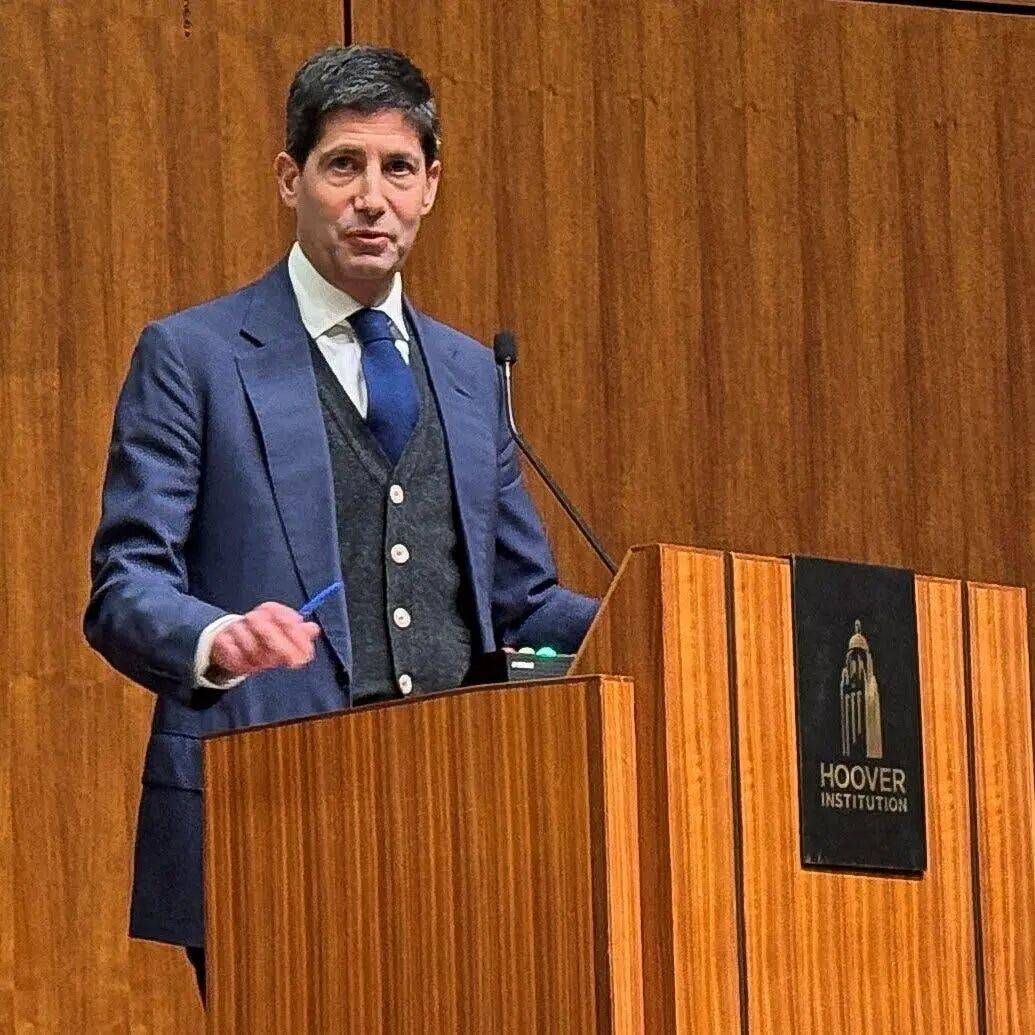
Core Viewpoint - The international gold and silver prices experienced significant declines on January 30, marking the largest single-day drop in decades due to multiple factors including profit-taking and short-term futures traders closing long positions [1] Group 1: Price Movements - Gold prices on the New York Mercantile Exchange fell below $4,800 per ounce, with a drop exceeding 10%, representing the largest single-day decline since the 1980s [1] - Silver prices for March futures fell below $80 per ounce, with a decline exceeding 30%, setting a record for the largest single-day drop in history [1] Group 2: Influencing Factors - The nomination of Kevin Walsh as the next Federal Reserve Chairman by President Trump on January 30 intensified the decline in precious metal prices [1] - The U.S. Department of Labor reported that the core Producer Price Index (PPI) for December 2025 and the entire year exceeded economists' expectations, indicating that inflation is gradually integrating into the overall economy [1] - Rising producer prices may compel the Federal Reserve to maintain a "neutral" monetary policy for a longer period than previously anticipated, which is bearish for gold prices [1] Group 3: Market Analysis - Analysts from the British research firm Metal Focus noted that the recent rally in precious metals appeared irrational; however, given the ongoing geopolitical risks and economic uncertainties faced by investors, the market sell-off may not be sustainable [1]
国际黄金和白银价格创纪录暴跌
Sou Hu Cai Jing· 2026-01-31 18:22
Core Viewpoint - International gold and silver prices experienced record-breaking declines on January 30, driven by profit-taking and short-term futures traders closing long positions, marking the largest single-day drop in decades [1]. Group 1: Price Movements - On January 30, April gold futures fell below $4,800 per ounce, with a decline exceeding 10%, representing the largest single-day drop since the 1980s [1]. - March silver futures dropped below $80 per ounce, with a decline exceeding 30%, setting a record for the largest single-day drop in history [1]. Group 2: Market Influences - The nomination of Kevin Walsh as the next Federal Reserve Chairman by President Trump on January 30 intensified the decline in precious metal prices. Walsh has publicly criticized the side effects of quantitative easing and advocates for closer policy collaboration between the Federal Reserve and the U.S. Treasury [1]. - The U.S. Department of Labor reported that the core Producer Price Index (PPI) for December 2025 and the entire year exceeded economists' expectations, indicating that inflation is gradually integrating into the overall economy. Rising producer prices may compel the Federal Reserve to maintain a "neutral" monetary policy longer than anticipated, which is bearish for gold prices [1]. Group 3: Analyst Perspectives - Analysts suggest that after a significant surge in gold and silver prices over the past month, the market sell-off was inevitable. An analyst from Britannia Global Markets in London noted that given the speed and magnitude of the rise in precious metals during January, the subsequent correction was not surprising [1].
金价银价创纪录暴跌
Sou Hu Cai Jing· 2026-01-31 09:46
Group 1 - International gold and silver prices experienced significant declines on January 30, with gold prices dropping below $4,800 per ounce, marking a decline of over 10%, the largest single-day drop since the 1980s [1] - Silver prices fell below $80 per ounce, with a decline exceeding 30%, setting a record for the largest single-day drop in history [1] - The nomination of Kevin Walsh as the next Federal Reserve Chairman has intensified the drop in precious metal prices, as he has criticized the side effects of quantitative easing and emphasized the need for closer policy collaboration between the Federal Reserve and the U.S. Treasury [1] Group 2 - The U.S. Department of Labor reported that the core Producer Price Index (PPI) for December 2025 and the entire year exceeded economists' expectations, indicating that inflation is becoming more integrated into the overall economy [1] - Rising producer prices may compel the Federal Reserve to maintain a "neutral" monetary policy for a longer period than previously anticipated, which is bearish for gold prices [1] - Analysts suggest that the recent surge in gold and silver prices over the past month made the market sell-off inevitable, with a London-based brokerage firm noting that the speed and magnitude of the rise in January warranted the correction [1][2]