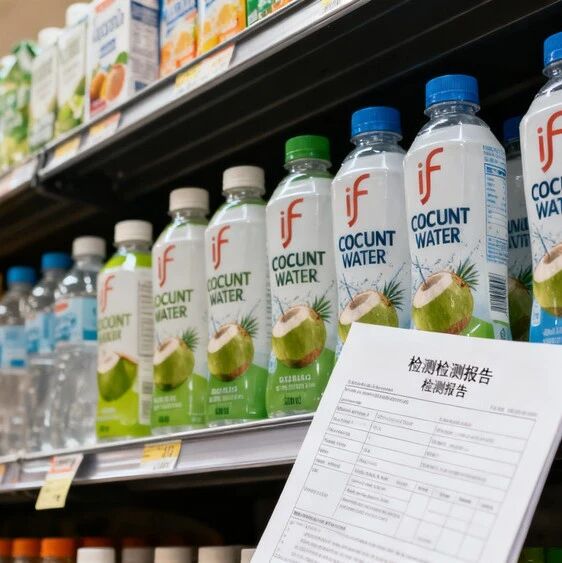
椰子水造假

Search documents
大爆雷,椰子水把中产坑惨了
36氪· 2026-03-16 13:37
Core Viewpoint - The article reveals that popular coconut water products marketed as "100% coconut water" are often misleading, containing added external water or sugars, thus exposing a significant issue in product labeling and consumer trust [4][7][10]. Group 1: Product Testing and Findings - A recent test conducted by the New Beijing News Consumer Research Institute found that four popular coconut water brands contained external water or sugars, contradicting their claims of being 100% pure [5][8]. - The testing utilized stable isotope fingerprinting technology, which can identify the source of water and sugars in the products, leading to shocking results where all tested samples failed to meet purity claims [8][10]. Group 2: Consumer Perception and Market Dynamics - Coconut water has become a popular choice among middle-class consumers who are willing to pay a premium for products labeled as "natural" and "zero additives," with prices ranging from 9.9 to over 20 yuan per bottle [6][7]. - The discrepancy between consumer expectations of "100% natural" and the actual standards used by brands highlights a significant gap in consumer knowledge and regulatory oversight [15][18]. Group 3: Regulatory Standards and Industry Practices - Currently, there are no mandatory national standards for coconut water in China, with existing regulations primarily focusing on food safety rather than product authenticity [18][22]. - The introduction of a group standard for coconut water in December 2025 aims to clarify the definition of pure coconut water, but it lacks enforceability, leaving consumers vulnerable to misleading claims [21][22]. Group 4: Supply Chain and Cost Pressures - The article discusses how the supply chain dynamics and cost pressures have led to the use of inferior raw materials, with suppliers offering various "blending" options to meet market demands at lower costs [25][26]. - The price of raw materials has significantly dropped, while the retail prices of coconut water remain high, indicating a disconnect that raises questions about the authenticity of the products being sold [28][39]. Group 5: Market Implications and Consumer Trust - The ongoing issues in the coconut water market reflect broader challenges within the beverage industry, where competition, lack of standards, and consumer trust are at stake [43]. - The article concludes that as long as the cost of fraud remains lower than the risks, companies that prioritize quality may struggle to survive, leading to a market dominated by those willing to compromise on product integrity [34][40].

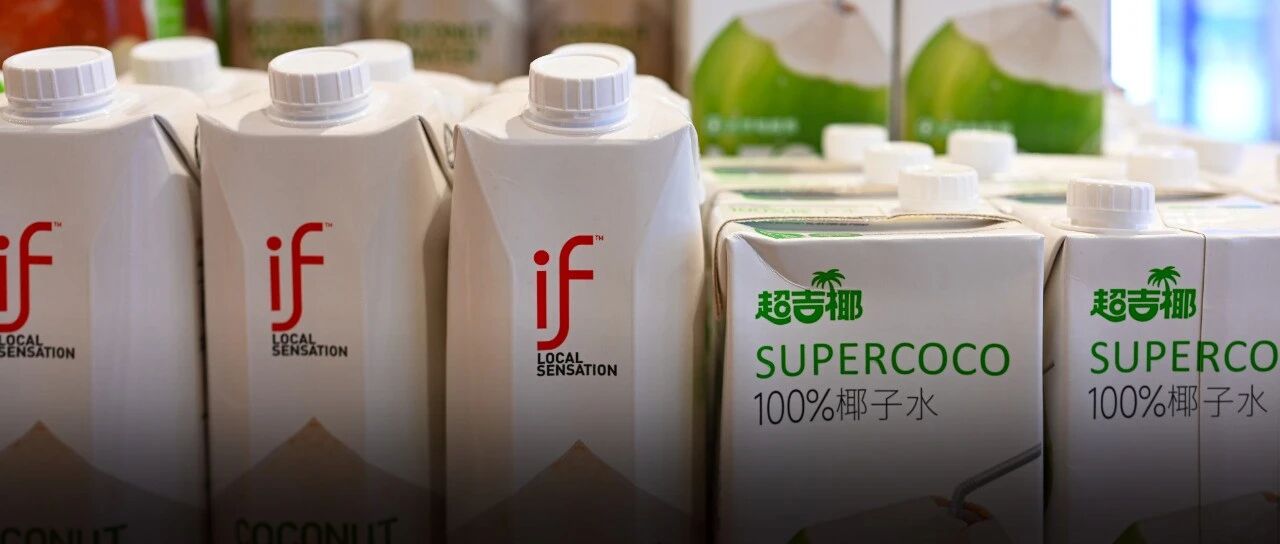
大爆雷,椰子水把中产坑惨了
虎嗅APP· 2026-03-15 09:25
Core Viewpoint - The article highlights the discrepancy between the labeling of coconut water products as "100% coconut water" and the actual contents, which often include added external water or sugars, revealing a significant issue in product authenticity and consumer trust [4][6][10]. Group 1: Product Testing and Findings - A recent test conducted by the Beijing News Consumer Research Institute found that four popular coconut water products, marketed as "100% coconut water," were all found to contain external water or sugars [4][8]. - The testing utilized stable isotope fingerprinting technology, akin to a "DNA paternity test" for coconut water, to determine the authenticity of the products [10][19]. - The results indicated that all tested products, despite claiming to be pure, contained additives that were not disclosed on their labels, raising concerns about consumer deception [11][24]. Group 2: Industry Standards and Regulations - Currently, there are no mandatory national standards for coconut water in China, with existing regulations primarily focusing on food safety rather than product authenticity [19][22]. - A group standard for coconut water was released in December 2025, defining coconut water as a product made solely from coconut fruit, but it lacks enforceability [21][22]. - The lack of stringent regulations allows brands to claim compliance with safety standards while still misleading consumers regarding the purity of their products [17][19]. Group 3: Market Dynamics and Consumer Behavior - The coconut water market has seen a surge in demand, particularly among middle-class consumers who are willing to pay a premium for perceived health benefits [5][6]. - Despite the high retail prices of coconut water, the cost of raw materials has significantly decreased, leading to a disconnect between production costs and retail pricing [28][35]. - The article suggests that the pressure to maintain low prices has led to widespread practices of diluting coconut water with cheaper ingredients, undermining product quality [36][39]. Group 4: Implications for Brands and Consumers - Brands have responded to the testing results by asserting that their products meet existing standards, but these standards do not align with consumer expectations for "100% natural" products [12][17]. - The article emphasizes that the current market environment favors brands that cut corners on quality, as consumers may not be able to discern the difference between genuine coconut water and inferior products [34][36]. - The ongoing issues in the coconut water industry reflect broader challenges within the beverage sector, where competition and regulatory gaps have led to a decline in product integrity [39].
大爆雷,椰子水把中产坑惨了
盐财经· 2026-03-14 08:58
Core Viewpoint - The article highlights the discrepancy between the labeling of coconut water products as "100% coconut water" and the actual contents, which often include added external water or sugars, revealing a significant issue in product integrity and consumer trust [2][5][14]. Group 1: Product Integrity and Consumer Trust - Recent testing revealed that four popular coconut water brands, marketed as "100% coconut water," were found to contain external water or sugars, undermining consumer expectations of purity [7][8][10]. - The testing utilized stable isotope fingerprinting technology, likened to a "DNA paternity test" for coconut water, which effectively identified the presence of non-coconut ingredients [8][10]. - Despite the findings, brands claimed compliance with standards, indicating a potential gap between regulatory definitions and consumer expectations of "100% natural" products [11][14]. Group 2: Regulatory Standards and Industry Practices - There is currently no mandatory national standard for coconut water in China, leading to reliance on basic safety standards that do not adequately address the authenticity of ingredients [16][19]. - A recent industry standard was introduced, but it lacks enforceability, allowing for continued mislabeling and consumer deception [18][19]. - The article points out that the existing regulations only ensure basic safety, failing to differentiate between genuine coconut water and products containing additives [16][20]. Group 3: Supply Chain and Market Dynamics - The article discusses how the pressure on raw material prices affects the integrity of coconut water products, with suppliers offering various levels of adulteration to meet market demands [24][34]. - The cost of raw materials has significantly decreased, while the retail price of coconut water remains high, indicating a disconnect that raises questions about product authenticity [25][26][34]. - The narrative suggests that the market dynamics favor companies willing to compromise on quality, leading to a situation where the best products may not survive due to higher costs [31][36]. Group 4: Broader Implications for the Beverage Industry - The coconut water controversy reflects broader issues within the beverage industry, where rapid growth and competition can lead to compromised product quality and consumer trust [39]. - The article emphasizes the need for better regulatory frameworks and consumer awareness to address the systemic issues of mislabeling and quality assurance in the beverage sector [39].
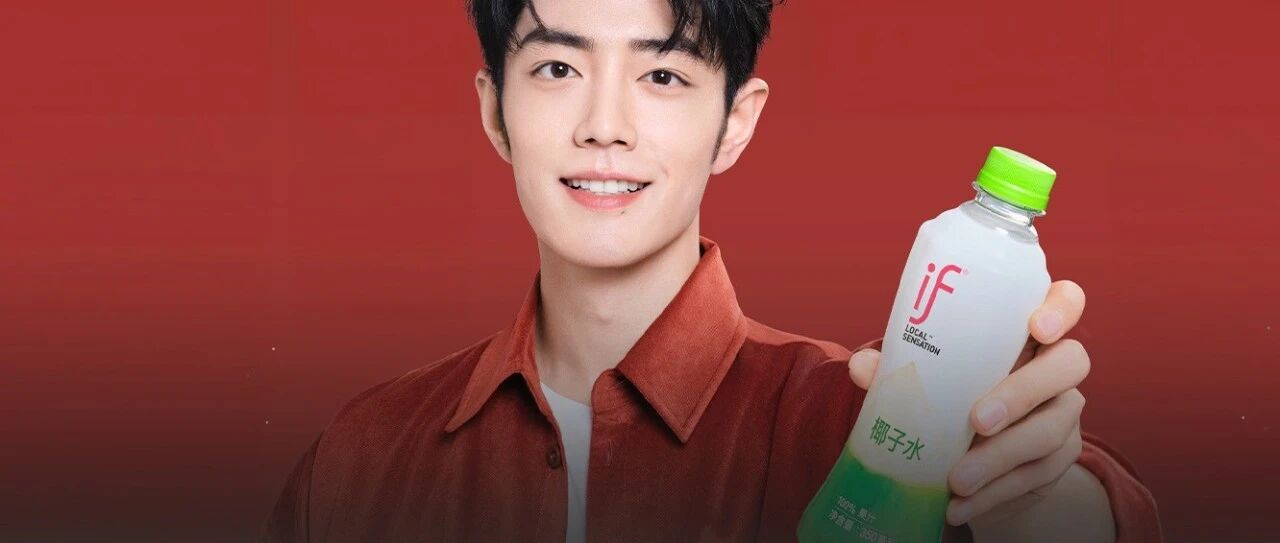
大牌集体陷造假风波,椰子水为何频频爆雷?
虎嗅APP· 2026-03-03 10:28
Core Viewpoint - The coconut water industry is facing a significant crisis due to widespread fraud, with major brands being implicated in deceptive practices that undermine consumer trust and market integrity [4][5][6]. Group 1: Industry Issues - Recent investigations revealed that popular coconut water brands, including IF, Hema, and Qing Shang, have been found to contain additives such as water, sugar, and flavoring agents, despite labeling their products as 100% pure coconut water [4][5]. - The coconut water market, valued at over 100 billion, is now perceived as being largely compromised by fraudulent activities, raising questions about the authenticity of products claiming to be natural and additive-free [5][6]. - The lack of unified standards and effective regulation has led to a chaotic environment where the production of 100% coconut water relies heavily on the integrity of manufacturers, which is increasingly being challenged by dishonest practices [6][31]. Group 2: Detection and Standards - The introduction of new detection technologies, such as stable isotope analysis, has begun to expose the fraudulent practices within the industry, allowing for more accurate identification of product authenticity [10][12]. - A new industry standard for coconut water has been established, clearly defining what constitutes genuine coconut water and differentiating it from flavored beverages, which has the potential to reshape market dynamics [10][11]. - Despite advancements in detection methods, the implementation of these standards is still in its infancy, and a comprehensive database for coconut water quality assessment is yet to be developed [16][31]. Group 3: Market Dynamics - The pricing of coconut water has become increasingly disconnected from quality, with consumers now questioning the value of products priced above 10 yuan per liter, as even higher-priced brands have been found to contain additives [19][20]. - The cost of raw materials, particularly for high-quality coconut water, remains high, leading many producers to resort to cheaper alternatives or synthetic additives to maintain profitability [21][24]. - The competitive landscape has shifted, with brands that prioritize quality being pushed out by those willing to compromise on standards, creating a vicious cycle where integrity is penalized [26][30]. Group 4: Consumer Impact - Consumers are left to navigate a confusing market where even well-known brands are not guaranteed to provide authentic products, leading to a loss of trust in the coconut water category [27][29]. - The ongoing issues within the coconut water industry highlight a broader challenge faced by the food and beverage sector, where rapid expansion and competition can lead to compromised quality and consumer deception [30][31].