轻上椰子水

Search documents
椰子水骗了中产
投资界· 2026-03-22 08:15
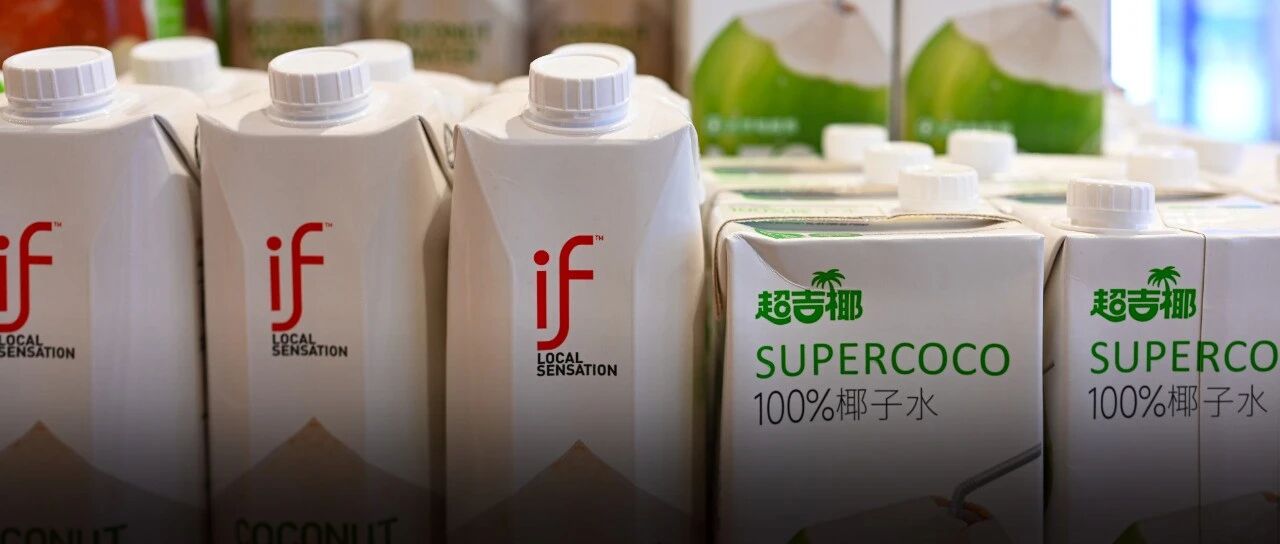
Core Viewpoint - The article highlights the deceptive practices in the coconut water market, revealing that popular brands labeled as "100% coconut water" contain added external water or sugars, undermining consumer trust and exposing regulatory gaps in product standards [3][4][6]. Group 1: Product Integrity and Consumer Trust - Recent tests conducted by the New Beijing News Consumer Research Institute found that all four tested "100% coconut water" products contained external water or sugars, challenging the integrity of these products [4][6]. - The brands involved, including IF Coconut Water and Hema, claimed their products met standards, but the standards referenced do not ensure the absence of external additives, leading to a disconnect between consumer expectations and actual product content [5][6][8]. Group 2: Regulatory Standards and Industry Practices - There is currently no mandatory national standard for coconut water in China, with existing regulations primarily focusing on food safety rather than the authenticity of ingredients [6][8]. - A group standard released in December 2025 defined coconut water as solely derived from coconuts, but it lacks enforceability, allowing for continued mislabeling and consumer deception [9][10]. Group 3: Supply Chain and Pricing Dynamics - The article discusses how the pricing pressures in the coconut supply chain lead to the use of lower-quality ingredients, with reports indicating that suppliers offer various levels of adulteration, significantly impacting product authenticity [10][12]. - The cost of raw materials has drastically decreased, while the retail price of coconut water remains high, suggesting a significant markup that may not reflect the quality of the product [11][12]. Group 4: Market Implications and Consumer Awareness - The coconut water market is characterized by intense competition and a lack of clear standards, resulting in a situation where consumers may unknowingly purchase diluted products [13]. - The article emphasizes the need for better regulatory oversight and consumer education to ensure that the market can distinguish between genuine coconut water and inferior products masquerading as premium offerings [13].


大爆雷,椰子水把中产坑惨了
36氪· 2026-03-16 13:37
Core Viewpoint - The article reveals that popular coconut water products marketed as "100% coconut water" are often misleading, containing added external water or sugars, thus exposing a significant issue in product labeling and consumer trust [4][7][10]. Group 1: Product Testing and Findings - A recent test conducted by the New Beijing News Consumer Research Institute found that four popular coconut water brands contained external water or sugars, contradicting their claims of being 100% pure [5][8]. - The testing utilized stable isotope fingerprinting technology, which can identify the source of water and sugars in the products, leading to shocking results where all tested samples failed to meet purity claims [8][10]. Group 2: Consumer Perception and Market Dynamics - Coconut water has become a popular choice among middle-class consumers who are willing to pay a premium for products labeled as "natural" and "zero additives," with prices ranging from 9.9 to over 20 yuan per bottle [6][7]. - The discrepancy between consumer expectations of "100% natural" and the actual standards used by brands highlights a significant gap in consumer knowledge and regulatory oversight [15][18]. Group 3: Regulatory Standards and Industry Practices - Currently, there are no mandatory national standards for coconut water in China, with existing regulations primarily focusing on food safety rather than product authenticity [18][22]. - The introduction of a group standard for coconut water in December 2025 aims to clarify the definition of pure coconut water, but it lacks enforceability, leaving consumers vulnerable to misleading claims [21][22]. Group 4: Supply Chain and Cost Pressures - The article discusses how the supply chain dynamics and cost pressures have led to the use of inferior raw materials, with suppliers offering various "blending" options to meet market demands at lower costs [25][26]. - The price of raw materials has significantly dropped, while the retail prices of coconut water remain high, indicating a disconnect that raises questions about the authenticity of the products being sold [28][39]. Group 5: Market Implications and Consumer Trust - The ongoing issues in the coconut water market reflect broader challenges within the beverage industry, where competition, lack of standards, and consumer trust are at stake [43]. - The article concludes that as long as the cost of fraud remains lower than the risks, companies that prioritize quality may struggle to survive, leading to a market dominated by those willing to compromise on product integrity [34][40].