
欧洲工业危机

Search documents
中美俄集体觉醒,欧洲角色彻底曝光,偿还旧账时代正式来临
Sou Hu Cai Jing· 2025-12-16 04:45
Group 1 - The article highlights the drastic changes in Germany's energy consumption habits, with citizens resorting to purchasing firewood due to soaring energy prices [1][4] - The energy crisis has led to significant operational changes in major industries, particularly in Germany, where BASF announced the permanent closure of key production lines and large-scale layoffs [8][10] - The chemical industry in Germany is facing severe challenges, with BASF reporting losses on production due to skyrocketing energy costs, exacerbated by the reduction of Russian natural gas supplies [8][13] Group 2 - The automotive industry, particularly Volkswagen, is also feeling the impact, with the company considering closing German factories for the first time in its history due to high production costs and competition from Chinese electric vehicle manufacturers [10][11] - The article discusses the broader implications of geopolitical tensions, particularly the sanctions against Russia, which have led to increased energy prices and a shift in manufacturing capital towards the United States [13][15] - The structural changes in the global economy, including the rise of China as a technological competitor, have contributed to the decline of Europe's manufacturing base, leading to a potential deindustrialization trend [22][23] Group 3 - Social unrest is rising in Europe, with protests against government policies reflecting the public's frustration over economic conditions, including high unemployment rates among youth in Southern Europe [23][25] - The article notes that the once-cherished welfare state in Europe is under threat, as the costs of maintaining such systems are becoming unsustainable in the face of economic decline [16][19] - The narrative suggests that the long-standing reliance on American security and low-cost imports from China has created vulnerabilities that are now being exposed as the global landscape shifts [19][20]

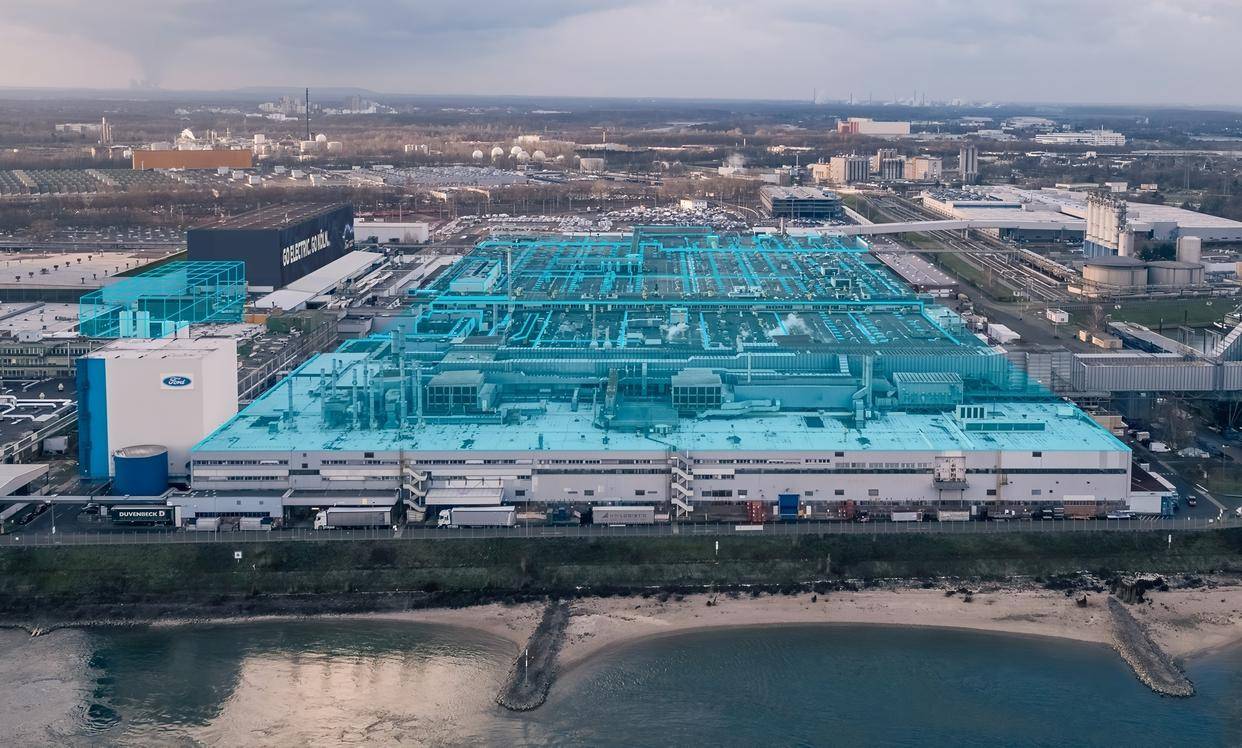
欧媒:欧洲没有工业危机,有危机的是德国,而德国的危机在中国
Sou Hu Cai Jing· 2025-11-28 08:46
Group 1 - The core issue in Europe is not an "industrial crisis" affecting the entire region, but rather a specific industrial crisis in Germany [1] - Despite Germany's economic downturn, other European countries like France and Poland continue to show growth, indicating a decoupling from Germany's industrial performance [2][4] - Germany's industrial output has declined significantly, recently hitting a 20-year low, while other European economies have maintained or recovered their manufacturing output [2][4] Group 2 - The decline in Germany's industrial sector is attributed to internal factors rather than external pressures, particularly its relationship with China and competition in the domestic market [4][6] - German manufacturers face intense competition from Chinese electric vehicles, which have become strong contenders in terms of technology and cost, undermining Germany's traditional automotive dominance [4][6] - The sluggish domestic demand and investment in Germany are exacerbated by a rigid economic approach and a reluctance to adopt expansive fiscal policies during economic downturns [4][6][8] Group 3 - To address its economic challenges, Germany may need to break free from fiscal constraints and increase government spending to stimulate growth and facilitate industrial upgrades [6] - Embracing "European protectionism" could provide a temporary solution for Germany, allowing it to create demand through integrated European markets and cooperative initiatives [8]
