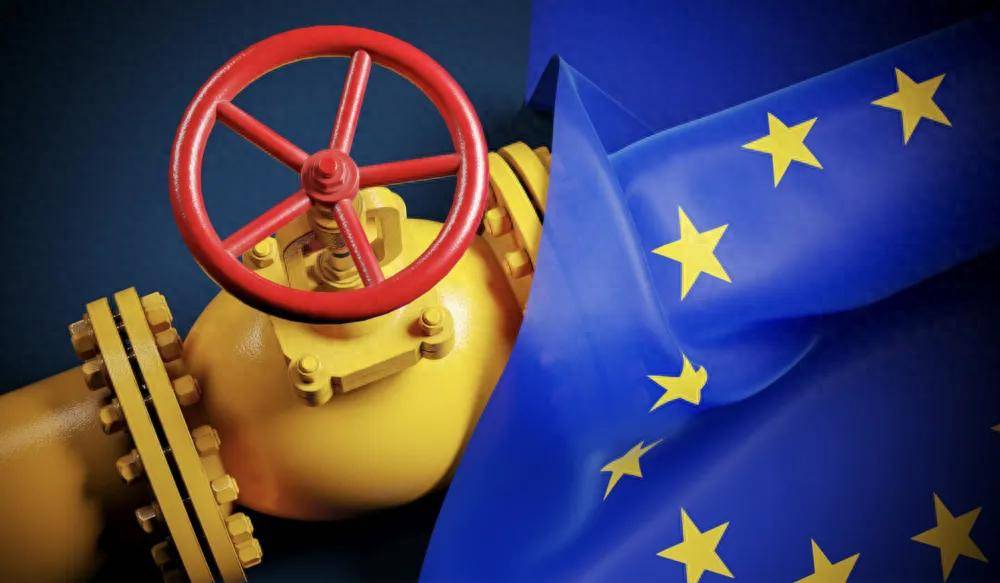
欧洲能源去俄化

Search documents
俄气进入终结倒计时!欧盟宣布:2027年彻底归零,美国成最大赢家
Sou Hu Cai Jing· 2025-12-03 09:43
Core Points - The EU has reached an agreement to completely stop importing Russian natural gas and oil by the end of 2027, marking a significant shift in Europe's energy landscape [1][3] - The agreement includes a clear timeline for phasing out Russian energy imports, with long-term gas contracts ending by November 1, 2027, and liquefied natural gas bans starting as early as January 2027 [1][3] - The EU will implement measures to assist Slovakia and Hungary, the last remaining countries importing Russian oil, to complete their transition away from Russian energy by the end of 2027 [3] Energy Dependency Reduction - The EU's reliance on Russian gas has significantly decreased from 45% at the onset of the Ukraine conflict to an expected 13% by 2025 [3] - Despite this reduction, the EU is still projected to import 52 billion cubic meters of gas from Russia in 2024, along with 13 million tons of oil and 2,800 tons of nuclear fuel, indicating ongoing financial support for Russia's military efforts [5] New Energy Suppliers - The United States has become the largest supplier of liquefied natural gas to the EU, accounting for 55% of imports, with a commitment to supply $750 billion worth of energy over the next three years [5] - The cost of American liquefied natural gas is higher than Russian gas, leading to increased energy bills for European consumers, which remain three times higher than pre-crisis levels [5] Internal EU Reactions - The agreement has elicited mixed reactions within the EU, with industrial nations like Germany and the Netherlands favoring a swift transition away from Russian energy for security reasons, while countries like Bulgaria express concerns over potential winter supply disruptions [5] - The EU's journey towards reducing dependency on Russian energy has been a two-year process, culminating in this critical agreement, but challenges remain in balancing energy independence and reliance on U.S. energy [5]