正直

Search documents
人生八贵(看完顿悟)
洞见· 2026-03-13 12:36
Group 1 - The core idea of the article emphasizes that in the latter half of life, what matters is not how much one possesses, but how much one can retain [64] - The article outlines eight valuable aspects of life that contribute to a fulfilling existence, which include integrity, harmony, neighborliness, health, simplicity in food, kindness, cautious speech, and sincerity in friendship [64] Group 2 - Integrity is highlighted as a fundamental quality, where being upright serves as a strong foundation for a person's character [5][6] - Harmony within the family is presented as essential for a peaceful life, with examples illustrating that a harmonious home fosters personal growth and stability [15][16] - Neighborliness is valued for its simplicity and warmth, emphasizing the importance of genuine connections with those nearby [18][19] - Health is portrayed as the most significant asset, with anecdotes illustrating the consequences of neglecting one's well-being [25][26] - Simplicity in food is discussed as a means to maintain both physical health and a peaceful mindset, advocating for a balanced and modest diet [29][30] - Kindness is described as a high-level virtue, where acts of goodwill eventually return to the giver, reinforcing the idea of reciprocity in human relationships [39][40] - Cautious speech is emphasized as a form of self-discipline, where thoughtful communication can prevent misunderstandings and foster respect [47][48] - Sincerity in friendship is portrayed as the foundation of meaningful relationships, where true friends support each other through various life circumstances [58][59]


21岁女生为百岁太爷爷写书
Xin Lang Cai Jing· 2025-12-27 07:24
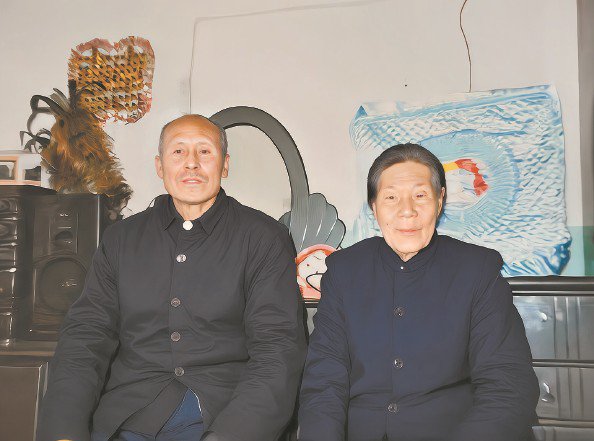
Core Viewpoint - The article narrates the life and legacy of an elderly man, 甘洪昌, through the eyes of his granddaughter, 甘雨新, who aims to document his story in a book titled "鹤" to preserve family history and values [8][20]. Group 1: Family Legacy - 甘洪昌, born in 1922, faced significant hardships, including the loss of his son during the 唐山 earthquake, yet he remained a pillar of strength for his family, emphasizing kindness and community support [9][15]. - The family recalls fond memories of 甘洪昌 making tofu, which symbolizes not only sustenance but also the values of cleanliness and integrity he instilled in his children [10][11]. - 甘洪昌's commitment to helping neighbors and his selflessness are highlighted, showcasing his character as a "good person" in the community [11][19]. Group 2: Personal Relationships - 甘雨新 reflects on her relationship with her great-grandfather, noting that she never had the chance to taste his tofu but cherishes the memories of family gatherings and the warmth of their interactions [12][13]. - The article describes the deep bond between 甘洪昌 and his wife, especially during her illness, where he provided unwavering care for over a decade [14][15]. - 甘耀辉, 甘雨新’s father, expresses the profound impact of his grandparents on his life, emphasizing the loss felt after 甘洪昌's passing [16][17]. Group 3: Cultural Values - The narrative emphasizes the importance of family values such as filial piety, kindness, and hard work, which are passed down through generations in the 甘 family [18][19]. - 甘雨新 aims to share her great-grandfather's story to inspire others and promote the values of goodness and filial piety through a public program and potential documentary [20].
人工智能时代,五种不可替代的人类特质
麦肯锡· 2025-07-31 08:21
Core Viewpoint - The article emphasizes the irreplaceable aspects of human leadership in the age of generative artificial intelligence, highlighting five essential human traits: instinct, intuition, imagination, integrity, and identity, which are crucial for building trust and driving change [2][18]. Group 1: Instinct - Instinct is described as the ability to make quick judgments based on human experience, which is fundamentally different from AI's reliance on past data [4][6]. - Leaders who rely on instinct can respond swiftly to threats without overanalyzing, utilizing their brain's threat perception center [6]. Group 2: Intuition - Intuition is defined as a complex form of human intelligence that combines experience, emotional insight, and situational judgment, functioning effectively when logic and data fail [7][8]. - Effective leaders blend data with intuition to make superior decisions, recognizing the importance of situational awareness [7][8]. Group 3: Imagination - Imagination is the ability to create new ideas and envision future states, which AI cannot replicate [9][11]. - Successful leaders use imagination to articulate bold visions that inspire others to pursue shared goals [9][11]. Group 4: Integrity - Integrity involves aligning actions with moral values, which AI cannot achieve as it lacks the capacity for ethical judgment [12][14]. - Leaders with integrity make decisions based on long-term impacts and values, holding themselves accountable for their choices [12][14]. Group 5: Identity - Identity encompasses the evolving narrative of who individuals are, shaped by experiences and values, which AI does not possess [15][17]. - Leaders with a strong sense of identity reflect on their values and biases, enhancing their influence and earning trust [15][17]. Conclusion - The article concludes that in an era of advanced AI, the key leadership question is not what machines can do, but what only humans can do, emphasizing the strategic importance of the five human traits [18].