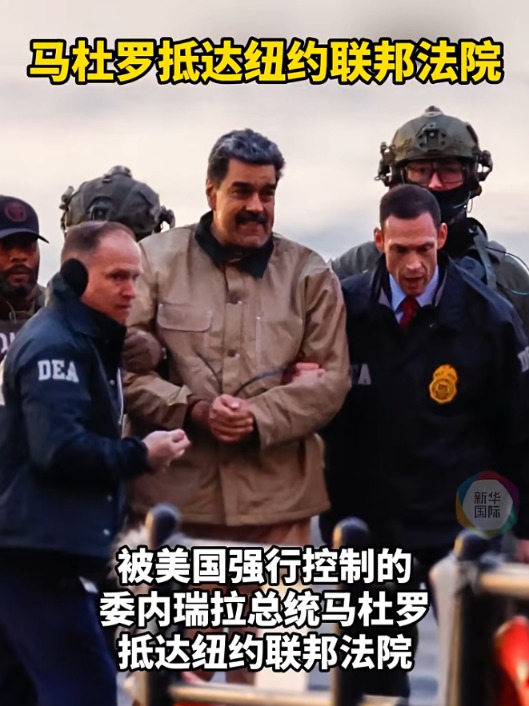
毒品恐怖主义阴谋罪

Search documents
马杜罗向美法院提交动议 要求驳回其面临的刑事指控
Zhong Guo Xin Wen Wang· 2026-02-27 04:55
Group 1 - Venezuelan President Maduro filed a motion in a U.S. court to dismiss drug trafficking charges against him, claiming interference by the U.S. government in his defense [1][3] - Maduro's lawyers argue that U.S. actions violate his Sixth Amendment rights to legal counsel, warranting the dismissal of the criminal charges [3] - The U.S. government has accused Maduro and his family of multiple serious crimes, including drug terrorism conspiracy and cocaine trafficking conspiracy [3] Group 2 - On January 3, the U.S. launched a large-scale military operation to capture Maduro and his family, leading to their indictment by the U.S. Attorney General [3] - Maduro and his family appeared in a New York federal court on January 5, where they pleaded not guilty to all charges [3]

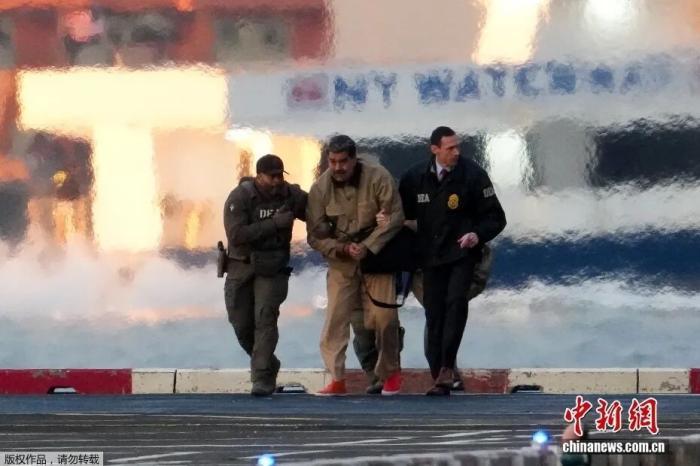
马杜罗被强行控制近两月,其律师发声:美方阻止委政府支付“辩护资金”,他没钱请律师
Xin Lang Cai Jing· 2026-02-26 14:21
Group 1 - The U.S. federal court in New York has charged Venezuelan President Maduro with "drug terrorism conspiracy, cocaine smuggling conspiracy, possession of machine guns and destructive devices, and conspiracy related to possession of machine guns and destructive devices against the U.S." [1] - If convicted, both Maduro and his wife could face life imprisonment [1] - Maduro's lawyer claims that the U.S. government is obstructing the payment of legal fees for Maduro's defense, which could complicate the prosecution's case [3][4] Group 2 - President Trump announced that the U.S. has obtained "over 80 million barrels of oil" from Venezuela since Maduro's control was established [5] - The U.S. is experiencing record-high natural gas production, attributed to Trump's commitment to drilling [5] - Under U.S. pressure, the interim president of Venezuela is taking steps to open the oil industry to U.S. investment and re-establish direct contact with Washington [7]
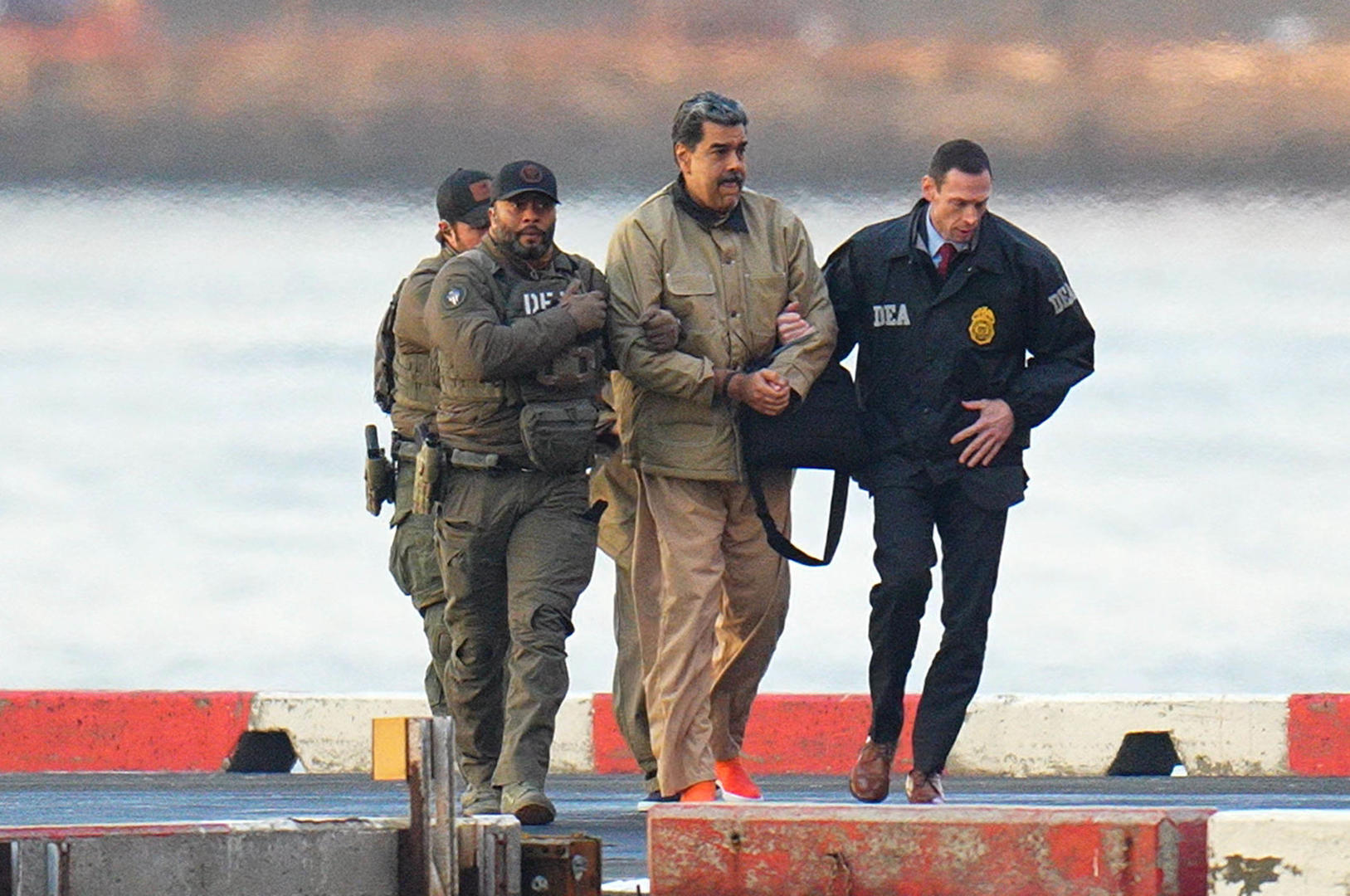
马杜罗庭审纪实:“我无罪”、“我是战俘”,创可贴与被夺走的钢笔
Yang Shi Wang· 2026-01-06 06:36
Core Points - Venezuelan President Maduro denies allegations of drug terrorism and cocaine trafficking in a New York court, asserting his innocence and claiming to be a "prisoner of war" rather than a typical criminal defendant [1][5][6] - The court session lasted approximately 30 minutes, with Maduro scheduled to return for a hearing on March 17 [1][4] - Maduro's wife, Flores, appeared in court with visible injuries, and both have not applied for bail but reserve the right to request pre-trial release [4] Legal Proceedings - The U.S. charges against Maduro include conspiracy to commit drug terrorism, cocaine trafficking, and possession of firearms [1][3] - The presiding judge, Alvin Hellerstein, is known for his strict demeanor and has previously ruled against Trump in notable cases [2][6] - Maduro's defense team questions the legality of his detention and plans to submit extensive documentation to challenge the charges [4][6] Public Reaction - Outside the courthouse, protests occurred with demonstrators holding signs supporting Maduro and opposing U.S. intervention in Venezuela [7][8] - A counter-protest featured supporters of Trump, indicating a divided public opinion on the matter [7] International Context - The United Nations Security Council held an emergency meeting regarding the situation in Venezuela, with multiple countries condemning U.S. military actions as a violation of international law [8]
马杜罗在美首次出庭:我无罪
中国能源报· 2026-01-06 00:09
Group 1 - Maduro and his wife Flores pleaded not guilty to the charges brought by the U.S., which include "drug terrorism conspiracy, cocaine smuggling conspiracy, possession of machine guns and destructive devices, and conspiracy to possess machine guns and destructive devices against the U.S." [3][4] - Maduro claimed he was forcibly taken from his home in Caracas, Venezuela, and asserted his innocence, stating he remains the President of Venezuela [3]. - Maduro's attorney argued that he is a head of state and enjoys the privileges associated with that status, questioning the legality of his forcible capture [3]. Group 2 - Flores also pleaded not guilty to the U.S. charges, and her attorney informed the court that she was injured during the military operation and requires medical treatment [4]. - The judge has scheduled a hearing for Maduro to appear again on March 17 [5]. - The U.S. conducted a large-scale military operation on January 3, forcibly taking control of Maduro and his wife and bringing them to the U.S., where Maduro is currently detained in a Brooklyn detention center [5].
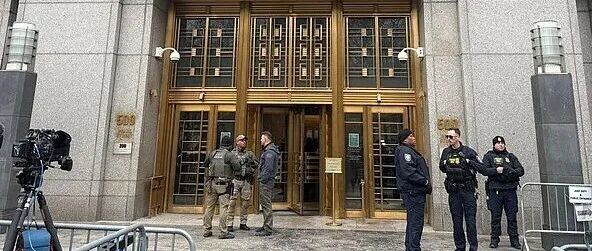
马杜罗:不认罪!委内瑞拉下令抓内鬼!
Zhong Guo Ji Jin Bao· 2026-01-06 00:04
Core Viewpoint - Venezuelan President Maduro pleads not guilty to U.S. charges, asserting his position as the legitimate president and claiming he was forcibly taken from his home [4][3]. Group 1: Legal Proceedings - Maduro appeared in a U.S. federal court, where he faced charges including "drug trafficking conspiracy," "cocaine smuggling conspiracy," and possession of firearms [4][3]. - The court session was presided over by Judge Alvin Hellerstein [5]. Group 2: Government Response - The Venezuelan government issued a decree to search for and arrest individuals involved in inciting or supporting U.S. armed attacks, declaring a national state of emergency [7]. - The decree includes military management of critical infrastructure and enhanced security measures along borders [7]. Group 3: Political Developments - Following Maduro's detention, Vice President Delcy Rodríguez was sworn in as the acting president of Venezuela [10]. - The United Nations Security Council held an emergency meeting regarding the situation in Venezuela, with concerns raised about U.S. military actions being classified as aggression [12][13]. Group 4: U.S. Military Involvement - U.S. Defense Secretary stated that fewer than 200 personnel were involved in the military operation against Venezuela [13].
马杜罗首次出庭:我无罪!辩护律师这么说
第一财经· 2026-01-06 00:04
Core Viewpoint - The article discusses the legal proceedings against Venezuelan President Nicolás Maduro, who faces serious charges in a U.S. court, including drug-related offenses and possession of firearms, while he maintains his innocence and claims to be the legitimate president of Venezuela [4][6]. Group 1: Legal Proceedings - Maduro was transported from a federal prison in Brooklyn to a Manhattan court for his hearing on January 5, where he faced four felony charges, including drug terrorism conspiracy and cocaine smuggling conspiracy, which could lead to life imprisonment [6]. - During the court session, Maduro confirmed his identity and stated through a translator that he was arrested at home, asserting his innocence against all charges [8][9]. - His defense attorney, Barry Pollack, known for handling politically sensitive cases, indicated that the legal process would be lengthy and complex, focusing on Maduro's presidential privileges and immunities [11]. Group 2: International Reactions - The Chinese government expressed support for Venezuela, calling for an emergency meeting of the UN Security Council regarding U.S. military actions against Venezuela [4].
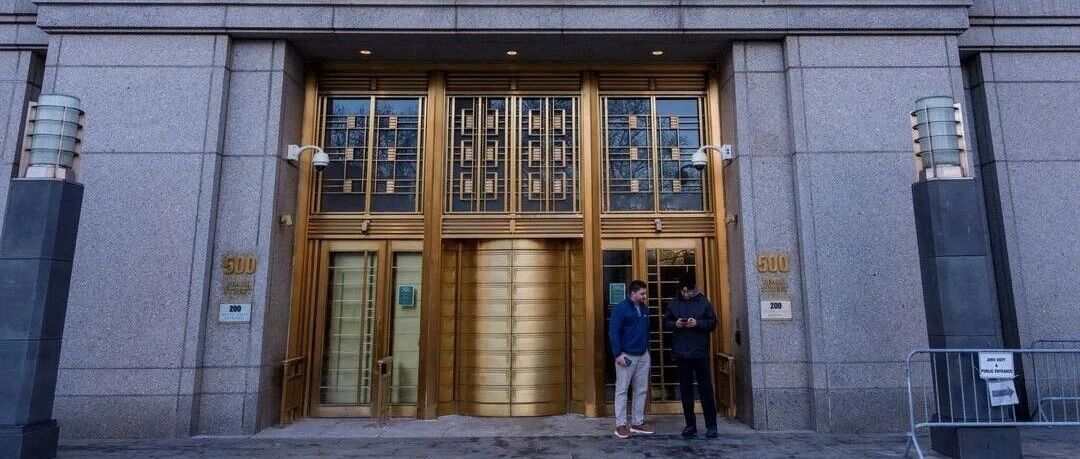
马杜罗拒绝美方对其一切指控:我无罪,我仍然是委内瑞拉总统
券商中国· 2026-01-05 23:30
Core Viewpoint - The article discusses the legal situation surrounding Venezuelan President Maduro and his wife, who were forcibly taken by the U.S. and are facing serious charges in a New York court, where they both plead not guilty [1][2]. Group 1: Legal Proceedings - Maduro and his wife, Cilia Flores, appeared in court where they denied all charges brought against them by the U.S., which include drug-related offenses and possession of firearms [1]. - Maduro's lawyer argues that he is a head of state and enjoys certain privileges, questioning the legality of his forced removal [1]. - The court has scheduled a follow-up hearing for Maduro on March 17 [2]. Group 2: Context of the Situation - The U.S. conducted a large-scale military operation on January 3, forcibly taking Maduro and his wife to the U.S., where Maduro is currently detained in a Brooklyn facility [2].

一场马杜罗“庭审” 一场安理会会议 同日同城进行
Xin Lang Cai Jing· 2026-01-05 20:49
Group 1 - Venezuelan President Maduro appeared in a U.S. court for the first time, facing charges including "drug trafficking conspiracy" and "terrorism conspiracy" [2] - The U.S. Attorney General announced the charges against Maduro, which include possession of firearms and conspiracy related to weapons [2] - Protests occurred outside the courthouse, with demonstrators calling for Maduro's release and opposing U.S. intervention in Venezuela [2] Group 2 - The United Nations Security Council held an emergency meeting regarding the situation in Venezuela, with Secretary-General Guterres expressing concern over U.S. military actions [3] - Guterres emphasized that the use of force against any country's territorial integrity is prohibited under the UN Charter [3] - A committee was established by Venezuela's acting president to handle matters related to Maduro's release, led by Jorge Rodriguez [4]
马杜罗拒对美国认罪:“我仍是委内瑞拉总统” 起诉书长达25页
Xin Lang Cai Jing· 2026-01-05 18:44
Core Viewpoint - Venezuelan President Maduro and his wife appeared in a New York federal court after being forcibly taken by the U.S., both pleaded not guilty, and Maduro claimed he remains the leader of Venezuela [1][4]. Group 1: Legal Proceedings - The indictment against Maduro spans 25 pages, detailing serious charges including "drug terrorism conspiracy, cocaine trafficking conspiracy, possession of machine guns and destructive devices, and conspiracy to possess machine guns and destructive devices against the U.S." [5]. - The minimum sentence for the drug terrorism charge is 20 years, with a maximum of life imprisonment [5]. - Maduro's lawyer stated that he is not seeking bail at this time but may consider it in the future [4]. Group 2: Public Reaction - Protests occurred outside the federal court, with demonstrators calling for Maduro's release and opposing U.S. military actions against Venezuela [5][7]. - The court area was heavily policed to maintain order during the proceedings [5]. Group 3: Legal Representation - Maduro has hired Barry Joel Pollack, a prominent lawyer known for defending Julian Assange, to represent him [8]. - Pollack's previous experience includes high-profile cases, raising interest in how he will construct a defense for Maduro against the serious charges [8]. Group 4: International Response - The United Nations Security Council held an emergency meeting to discuss the situation in Venezuela, condemning the U.S. actions as violations of international law [10]. - Russian representatives at the UN called for Maduro's immediate release, criticizing the U.S. for its double standards regarding international law [11].
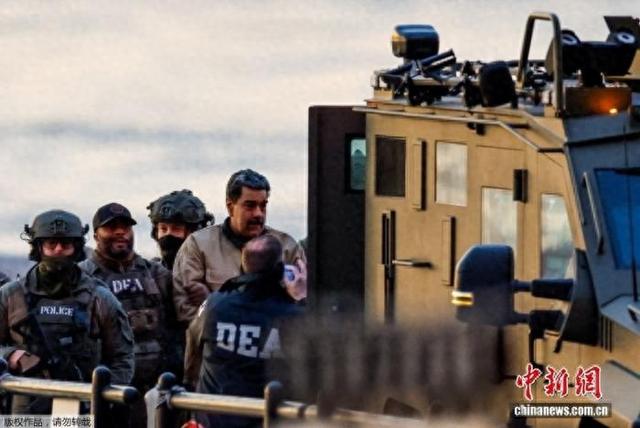
马杜罗将在纽约“出庭” 主持法官已92岁高龄 安理会举行紧急会议!多艘油轮突破封锁 离开委水域
Mei Ri Jing Ji Xin Wen· 2026-01-05 16:43
Core Viewpoint - The article discusses the recent detention of Venezuelan President Maduro by the U.S. and the subsequent legal proceedings he faces in a New York federal court, highlighting the geopolitical implications and international reactions to the U.S. actions against Venezuela [1][3][4]. Group 1: Legal Proceedings - Maduro was forcibly taken from a detention center in Brooklyn and transported to the federal court in New York for a hearing scheduled for January 6 [1][3]. - He faces serious charges including "drug trafficking conspiracy, cocaine smuggling conspiracy, possession of machine guns and destructive devices, and conspiracy related to these offenses against the U.S." [5]. - The presiding judge for the case is Alvin Hellerstein, a 92-year-old federal judge with a long history of handling significant criminal and national security cases [5]. Group 2: U.S. Actions and International Reactions - The U.S. has accused Maduro of leading a drug trafficking organization known as the "Cartel of the Suns," with previous charges dating back to 2020 [6]. - International figures, including the UN Secretary-General and leaders from Brazil and Cuba, have condemned the U.S. actions as violations of international law and principles [8]. - The U.S. military actions against Venezuela have been characterized as a dangerous precedent, with critics arguing that they undermine multilateralism and respect for international norms [8]. Group 3: Oil and Economic Implications - Following the U.S. military intervention, at least 16 oil tankers attempted to break through the U.S. blockade of Venezuela, with some successfully leaving Venezuelan waters [9]. - The U.S. has emphasized the importance of oil in its rhetoric, mentioning it 26 times in relation to the situation, compared to only 14 mentions of drugs [9]. - A Chevron-chartered tanker has reportedly set sail from Venezuela towards the U.S. Gulf Coast, indicating ongoing economic ties despite the political turmoil [10].