民生压力

Search documents
春节见闻⑯ | “幸运之国”幸福吗?旅游视角观察悉尼物价、房价
申万宏源研究· 2026-02-22 06:43
Group 1 - The article highlights the vibrant atmosphere in Sydney during the Chinese New Year, with a significant influx of tourists, particularly from China, South Korea, and the United States, indicating a recovery in tourism post-pandemic [3][4]. - In December 2025, Australia saw a peak of 1.04 million short-term visitors, marking a new high since the pandemic began [4]. Group 2 - Australia has experienced significant inflation, with the Consumer Price Index (CPI) rising from a stable 2% pre-pandemic to nearly 8% in 2022, and currently at around 3.7% as of 2025 [8][10]. - The Reserve Bank of Australia (RBA) has responded to rising inflation by restarting interest rate hikes, with the current rate at 3.85% as of February 2026 [11]. Group 3 - Sydney's housing prices have surged dramatically, with a 49% increase in the median price of detached homes from Q4 2019 to Q3 2025, driven by low interest rates, high immigration, and insufficient housing supply [14]. - Other cities like Brisbane, Adelaide, and Perth have seen even higher price increases of 84%, 83%, and 76% respectively during the same period [14]. Group 4 - The combination of high housing prices and inflation has created a significant cost of living challenge in Australia, similar to the "K-shaped economy" observed in the United States, leading to increased political polarization and social tensions [22].


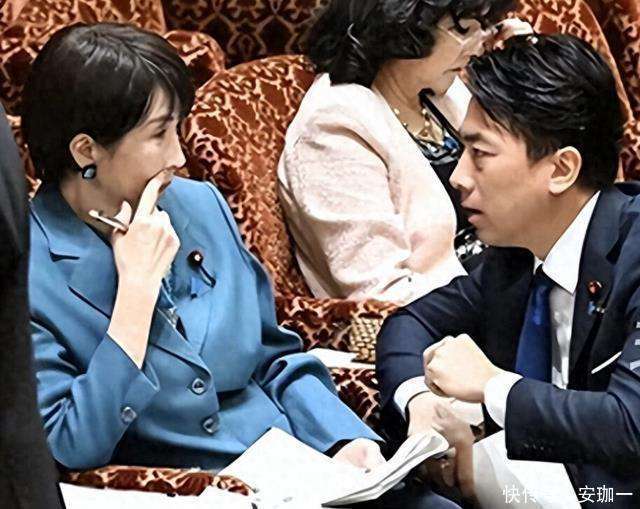
高市早苗国会翻车,防卫大臣单膝救场,80万亿投资百姓买单
Sou Hu Cai Jing· 2025-12-22 04:02
Group 1 - The Japanese government plans to invest 80 trillion yen in the United States, focusing on sectors like semiconductors, renewable energy, and artificial intelligence, while neglecting domestic welfare needs [3][7] - Japan's defense spending has reached a historical high of 11 trillion yen, accounting for 2% of GDP, reflecting a long-standing policy of aligning national defense and economic interests with the U.S. [3][5] - The political turmoil in the Japanese Diet highlights the disconnect between government actions and public sentiment, as citizens face rising living costs without tax relief [5][9] Group 2 - Prime Minister Kishi Nobuo's strategy aims to strengthen the Japan-U.S. alliance and address geopolitical concerns, but the financial burden of this strategy falls on ordinary citizens [7][9] - The political performance in the Diet, characterized by confusion and lack of clarity, reveals systemic conflicts and the challenges of maintaining public trust amid fiscal pressures [5][9] - The ongoing reliance on foreign investments and military spending raises questions about Japan's ability to balance international commitments with domestic welfare [3][9]