日美同盟

Search documents
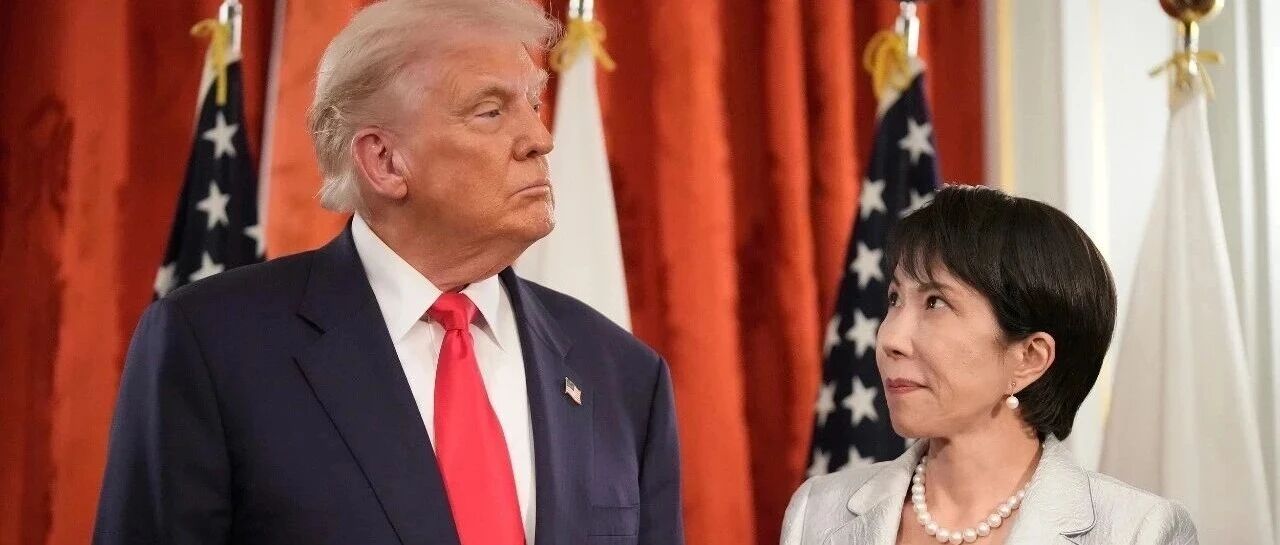
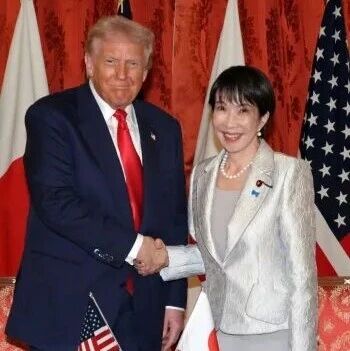
高市称彻夜想出“能给世界带来和平的只有唐纳德”
日经中文网· 2026-03-26 03:37
Group 1 - The core message of the discussion is that President Trump can establish peace and improve the global economy [3][4] - Japan and the U.S. confirmed their close cooperation on various issues related to China and opposed any measures threatening the stable supply of critical minerals [3][4] - The meeting emphasized specific cooperation items to enhance the quality of the Japan-U.S. alliance in areas such as economy and national security [4]

日美“黄金同盟”的虚实
日经中文网· 2026-03-23 03:29
Group 1 - The relationship between former President Trump and Japanese Prime Minister Kishi is expected to surpass that of Reagan and Thatcher, with U.S. Treasury Secretary Mnuchin expressing this sentiment during the Japan-U.S. summit [2] - The Japan-U.S. alliance is being described as a "new golden age," but there are concerns about the potential for global isolation, unlike the Reagan-Thatcher era [2][8] - Japan's significant investment in the U.S., including 11 trillion yen for nuclear reactor development, highlights the economic ties between the two nations [4] Group 2 - The U.S. is facing challenges in finding strong and reliable allies, particularly due to tensions with the EU and Canada, making Japan's role increasingly vital [5] - The Japan-U.S. summit addressed military, economic, and political dilemmas, with a focus on deepening cooperation and exploring multi-faceted diplomacy [6] - Japan's direct investment in the U.S. is projected to decrease to $63.9 billion by 2025, a 16% drop from the previous year, indicating a lack of private sector engagement [8]
日美举行首脑会谈,特朗普敦促在伊朗问题上作出贡献
日经中文网· 2026-03-20 02:24
Core Viewpoint - The meeting between Japanese Prime Minister Suga Yoshihide and U.S. President Trump focused on energy market stability and cooperation regarding the security of the Strait of Hormuz, amidst rising tensions in the region [2][4]. Group 1: Meeting Details - The meeting lasted approximately 1.5 hours, where Suga emphasized that only Trump could bring peace and prosperity to the world [4]. - Trump expressed his intention to discuss measures to ensure the security of the Strait of Hormuz, acknowledging Japan's significant support in this area [4][5]. Group 2: Energy Security and Cooperation - Trump noted that over 90% of Japan's oil is transported through the Strait of Hormuz, highlighting the importance of stability in the region for Japan [5]. - Suga stated that ensuring the security of the Strait is crucial and mentioned Japan's legal limitations regarding the deployment of Self-Defense Forces for escorting vessels [5]. - The discussion included plans for Japan to advance joint projects for storing U.S. crude oil and to enhance cooperation in U.S. energy development [5]. Group 3: Regional Security and Strategic Coordination - The leaders discussed economic and security cooperation, particularly in response to regional issues involving China and Iran [6]. - Suga confirmed that Japan and the U.S. would maintain close coordination regarding China and North Korea, with Trump supporting the resolution of the abduction issue involving Japanese citizens by North Korea [6]. - Suga emphasized the need for a strong U.S.-Japan alliance to maximize Japan's national interests amid rising global uncertainties [6]. Group 4: Context and Implications - This meeting was the second between the two leaders since October 2025, indicating ongoing strategic dialogues [6]. - Trump's planned visit to China was postponed due to the situation in Iran, which was unexpected for the Japanese government [7].
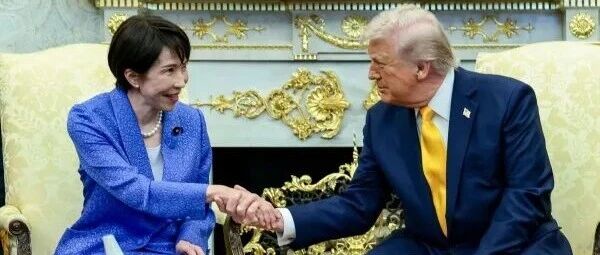
高市早苗和特朗普首脑会谈谈什么?
日经中文网· 2026-03-19 02:50
Core Viewpoint - The article discusses the upcoming summit between Japanese Prime Minister Fumio Kishida and U.S. President Donald Trump, highlighting the importance of U.S.-Japan relations amid regional security concerns and economic cooperation [1][3]. Group 1: Diplomatic Coordination - The summit aims to coordinate diplomatic strategies between Japan and the U.S., especially in light of Trump's delayed visit to China [1][3]. - Kishida seeks to clarify Japan's position on regional security issues, particularly regarding China's military expansion and North Korea's nuclear development [3][5]. Group 2: Economic Cooperation - A significant topic of discussion will be the U.S.-Japan investment projects, with a previous agreement of $550 billion in investments reached in July 2025 [5]. - Japan has announced three initial investment projects, including natural gas power generation and artificial diamond production, with further projects under negotiation [5][6]. - The article mentions Japan's inquiry about operating advanced display factories in the U.S. and potential projects in nuclear power and copper refining [5]. Group 3: Trade and Tariffs - The article highlights the ongoing discussions regarding tariffs, particularly after the U.S. Supreme Court's ruling on tariffs, which led to the implementation of a 10% additional tariff by Trump [5][6]. - Kishida is expected to advocate for tariff reductions not exceeding the agreed levels in the 2025 U.S.-Japan agreement [5]. Group 4: Security Concerns - The potential military actions by the U.S. and Israel against Iran will be a significant topic, with Kishida previously criticizing Iran's actions while avoiding direct comments on U.S. military strategies [6]. - The article notes Japan's precarious position regarding its defense spending, with a target of 2% of GDP by 2025, amid U.S. calls for increased defense budgets from allies [6].
日本对是否派舰赴霍尔木兹海峡左右为难
日经中文网· 2026-03-17 03:07
Core Viewpoint - Japan is facing a difficult decision regarding the potential deployment of Self-Defense Forces to the Strait of Hormuz, balancing its security alliance with the U.S. and its energy import needs from the Middle East [2][4][5]. Group 1: Government Stance and Discussions - Japanese government officials have expressed a cautious attitude towards deploying Self-Defense Forces, indicating that they will communicate what Japan can and cannot do to the U.S. [4]. - Prime Minister Kishi stated that discussions are ongoing regarding how to legally protect Japanese vessels and crew, emphasizing that no formal request has been received from the U.S. for such deployment [5]. - The Japanese government is privately consulting with the U.S. ahead of the upcoming summit, where direct requests for troop deployment may be made [4][5]. Group 2: Legal Framework and Historical Context - In 2019, Japan faced a similar situation but chose not to join a U.S.-led coalition for maritime security, instead opting to protect its own vessels under a different legal framework [6]. - The Japanese government has identified four potential legal options for deploying Self-Defense Forces, including collective self-defense and maritime security operations, but each option presents significant challenges [7]. - The urgency of the current situation is heightened compared to 2019, with Japan needing to navigate a more complex international landscape, including increased military tensions from China and North Korea [9].
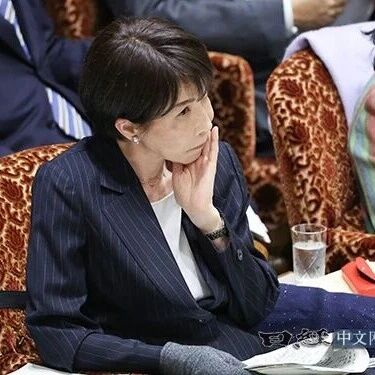
怪不得高市底气十足:76%的日本人一口咬定,要继续对华强硬
Sou Hu Cai Jing· 2026-02-25 09:59
Group 1 - A recent poll indicates that 76% of Japanese people believe there is no need to improve relations with China, highlighting a significant disconnect between public sentiment and business realities [1] - Despite the poll results, Japanese businesses are experiencing a sharp decline in Chinese tourist numbers, with a reported decrease of over 60% compared to last year, leading to a backlog of canceled hotel bookings [1] - The Japanese government, under pressure from the U.S., is continuing to invest heavily in American projects, with several large Japanese corporations forming a new consortium to invest hundreds of billions of dollars in the U.S. [4][6] Group 2 - The U.S. Supreme Court recently ruled against a tariff policy initiated by former President Trump, which has caused confusion among U.S. allies, including the EU and India, who had already made concessions in anticipation of lower tariffs [3][4] - Japan's reliance on U.S. support is evident as it navigates a stalemate in relations with China, with concerns that any deviation from U.S. policy could jeopardize the Japan-U.S. alliance [4][6] - The current political climate in Japan reflects a rightward shift in society, which may be influencing public opinion and government policy, despite the economic repercussions of distancing from China [3][7]
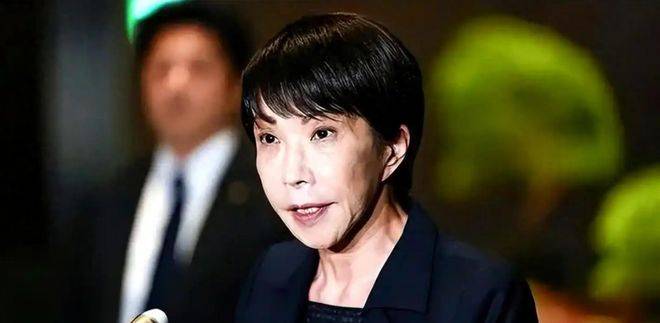
驻日美军“零元购”狂欢:偷遍日本无敌手
Xin Lang Cai Jing· 2026-02-16 15:14
Core Viewpoint - The recent theft incidents involving U.S. military personnel in Japan highlight the underlying issues of the Japan-U.S. alliance, revealing a disparity between the perceived partnership and the reality of American military conduct in Japan [3][12][17]. Group 1: Theft Incidents - Three U.S. soldiers stationed in Japan were arrested for theft, with the total amount involved exceeding 10 million yen, approximately 453,000 RMB [1]. - The soldiers exhibited brazen behavior, committing thefts in public places, indicating a pattern of criminal activity linked to previous incidents [5][6]. - The thefts are not isolated incidents but part of a larger issue of military personnel engaging in criminal behavior, undermining the discipline expected from the armed forces [7][12]. Group 2: Legal and Diplomatic Implications - The incidents expose the weaknesses of the Japan-U.S. Status of Forces Agreement, which grants U.S. military personnel legal protections that undermine Japan's judicial authority [9][11]. - The agreement, established in 1960, has led to thousands of criminal cases involving U.S. military personnel, with very few resulting in serious legal consequences for the offenders [11][12]. - The Japanese government's inability to hold U.S. personnel accountable reflects a broader issue of sovereignty and the perception of Japan as a subordinate state in the alliance [12][16]. Group 3: Public Reaction and Government Response - The public outcry in Japan has intensified, with citizens expressing anger over the perceived inability of their government to protect their rights and safety from foreign military personnel [12][13]. - The Japanese government's response has been characterized as weak, with only symbolic protests against the U.S. military's actions, failing to address the root issues of the unequal treaty [15][16]. - The ongoing reliance on the U.S. military for security has left Japan in a vulnerable position, complicating its ability to assert its sovereignty and protect its citizens [16][17].

高市早苗在众议院大选后的记者会上提中国
日经中文网· 2026-02-10 03:17
Group 1 - The core viewpoint of the article emphasizes the need for improved communication between Japan and China, especially in light of concerns regarding Taiwan, as expressed by Japan's Prime Minister, Kishi Nobuo [2][3] - Kishi Nobuo plans to strengthen alliances with the United States and other countries such as South Korea, Australia, and the Philippines, highlighting the importance of the Japan-U.S. alliance [3] - The Chinese Foreign Ministry stated that its policy towards Japan will remain stable and will not change due to a single election outcome, indicating a consistent approach to Japan-China relations [4][6] Group 2 - The article discusses the cooling of Japan-China relations following Kishi's remarks on Taiwan, with the Chinese government urging Japan to reflect on its historical actions and avoid militarism [7] - Concerns were raised regarding Japan's plans to increase defense spending and amend security policies, which China views as destabilizing for the region [8] - South Korean President Yoon Suk-yeol congratulated Kishi on his election victory, expressing hopes for further development under his leadership [9]
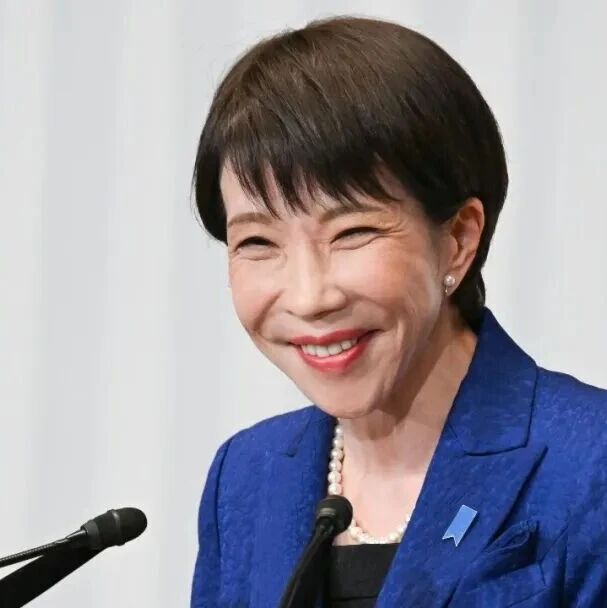
日本众议院选举结果公布 特朗普发文祝贺高市早苗
Zhong Guo Xin Wen Wang· 2026-02-09 02:48
Core Viewpoint - The article discusses the recent Japanese House of Representatives election results, where the ruling coalition led by Prime Minister Kishi Suga secured a majority, and highlights the supportive remarks made by former U.S. President Donald Trump towards the coalition and its leader, Kishi Suga [1][2][3] Group 1 - The ruling coalition, consisting of the Liberal Democratic Party (LDP) and the Japan Innovation Party, won a majority in the Japanese House of Representatives election, with the LDP securing 316 seats and the Japan Innovation Party obtaining 36 seats [2] - In contrast, the opposition parties, including the Constitutional Democratic Party and the Komeito Party, formed a new party called the "Center Reform Coalition," which won 49 seats, while the Democratic Party for the People secured 28 seats [2] - Trump expressed his support for Kishi Suga and the ruling coalition on social media, stating that he is honored to support them and that the Japanese people will always have his steadfast support [1][2] Group 2 - Kishi Suga thanked Trump for his supportive remarks and expressed anticipation for his visit to the White House in March [3] - Suga emphasized the importance of the U.S.-Japan alliance, stating that it is built on deep trust and close cooperation [3] - Protests occurred in Japan during Trump's visit, with citizens expressing strong dissatisfaction regarding military expansion and the strengthening of the U.S.-Japan military alliance [3]
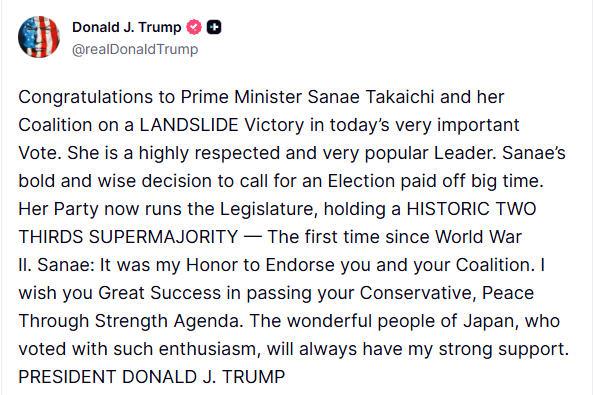
高市早苗深夜感谢,特朗普表态
第一财经· 2026-02-09 01:27
Core Viewpoint - The article discusses the significant electoral victory of Japan's ruling coalition led by Prime Minister Sanna Takashi, highlighting the implications for Japan-U.S. relations and the unprecedented support from U.S. President Donald Trump [3][5][6]. Group 1: Election Results - The ruling coalition of the Liberal Democratic Party and the Japan Innovation Party secured a majority in the Japanese House of Representatives elections held on February 8 [3]. - This victory grants the coalition a historic two-thirds supermajority in the Diet, marking the first time since World War II that such a majority has been achieved [5]. Group 2: U.S.-Japan Relations - Prime Minister Takashi expressed gratitude towards President Trump for his support and emphasized the importance of the U.S.-Japan alliance, stating its potential is "endless" [3]. - Trump congratulated Takashi on her coalition's overwhelming victory and praised her decision to call for early elections as bold and wise [5]. - The article notes that Trump's explicit support for a specific political party in Japan during an election is unprecedented, indicating a new level of U.S. involvement in Japanese politics [6].