
气候立法

Search documents
欧委会贸易总司原司长:数字监管分歧或将引发欧美贸易新争端
2 1 Shi Ji Jing Ji Bao Dao· 2025-11-26 08:52
Core Insights - The trust foundation of the transatlantic partnership is being eroded by the unpredictable trade policies of the United States, including frequent tariff adjustments and unilateral measures like digital tax disputes and Section 232 investigations [2] - The EU is urged to strengthen cooperation with countries that adhere to a rules-based trade system and maintain robust relations with Europe, as the US has shifted to an aggressive trade policy [2] - The current trade relationship between the US and EU is undergoing a fundamental transformation, lacking stability from the Obama administration's failure to reach agreements to the unilateral tariffs during the Trump era and the security-oriented cooperation under the Biden administration [2] Future Outlook - The digital regulation sector is anticipated to be a significant source of new disputes between the US and EU, with US tech companies pressuring the government to counter EU digital rules, while the EU remains firm on its public policy objectives [3] - EU climate legislation may also become a contentious issue due to corporate lobbying, with the US threatening to initiate Section 301 investigations against EU digital regulations and multiple Section 232 investigations affecting various industries [3] - The expert has extensive experience in EU trade policy, having served as the chief negotiator for the Transatlantic Trade and Investment Partnership (TTIP) and played key roles in various WTO negotiations [3]

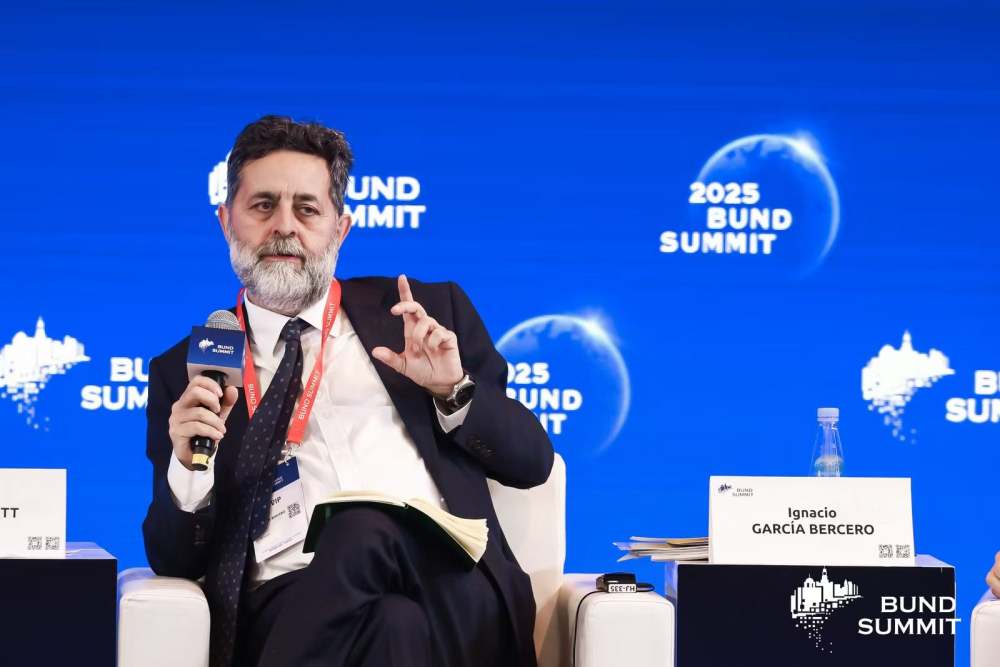
专访欧委会贸易总司原司长:数字监管分歧或将引发欧美贸易新争端
2 1 Shi Ji Jing Ji Bao Dao· 2025-11-11 00:12
Group 1: U.S.-EU Trade Relations - The U.S. trade policy is causing a fundamental shift in U.S.-EU trade relations, moving away from a rules-based system to a more aggressive stance [1][5] - The EU is facing a "perfect storm" in its steel and automotive industries due to U.S. tariffs of 50% on steel and 15% on automobiles, leading to significant pressure on these sectors [2][6][7] - The recent framework agreement between the U.S. and EU is viewed as a "risk mitigation" measure rather than a stable foundation for trade relations [5][12] Group 2: EU's Strategic Response - The EU is adopting a "diversification" strategy to reduce reliance on the U.S. by pursuing trade agreements with countries like Indonesia, Malaysia, Thailand, and India [2][10][11] - The EU aims to strengthen its internal market resilience while avoiding a protectionist path similar to the U.S. [2][11] - The EU is committed to compliance with WTO rules while addressing the challenges posed by U.S. unilateral actions [2][11] Group 3: Future Trade Disputes - The digital regulation area is anticipated to be a new focal point for trade disputes, with U.S. tech companies pressuring the government to counter EU digital rules [2][13] - Potential conflicts may also arise from EU climate legislation, particularly regarding environmental regulations [2][13] - The U.S. has threatened to initiate investigations under Section 301 against EU digital regulations, indicating a risk of escalating tensions [12][13] Group 4: WTO Reform and Leadership - The EU is called to take a leadership role in WTO reforms, focusing on key areas such as subsidy rules, economic security policies, and dispute resolution mechanisms [3][14] - Cooperation with like-minded countries and key players like China is essential for effective WTO reform, particularly in subsidy rule discussions [3][14] - The EU's strategy includes enhancing its free trade agreement network, aiming to solidify partnerships that adhere to a rules-based trade system [17]