水产全产业链

Search documents
鱼子酱销量全球第一,鲟龙科技冲刺港股,曾三度闯关A股失利
2 1 Shi Ji Jing Ji Bao Dao· 2025-11-04 11:37
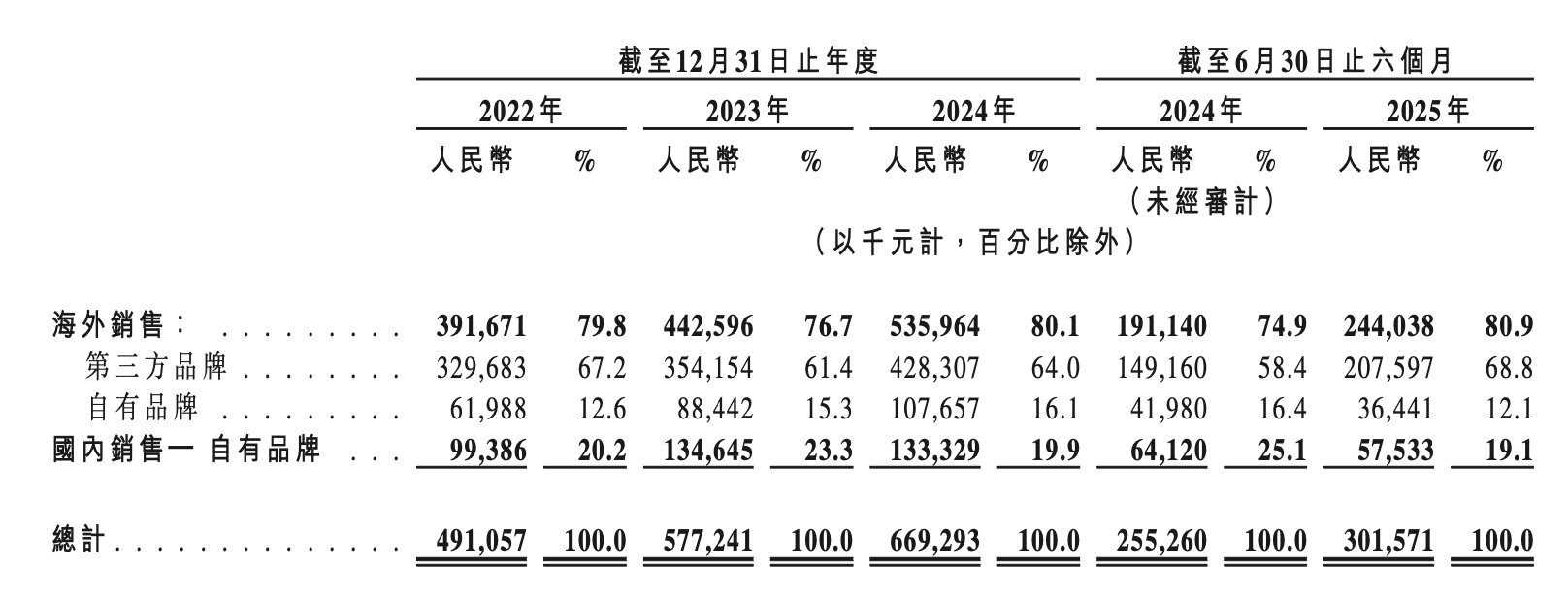
Core Viewpoint - Xunlong Technology is seeking to list on the Hong Kong Stock Exchange, claiming to be the world's largest caviar company, with a market share exceeding 30% since 2021 and projected to reach 35.4% in 2024, significantly outpacing its nearest competitor [1][2]. Group 1: Company Overview - Xunlong Technology, established in 2003 under the guidance of the Chinese Academy of Fishery Sciences, has developed into the largest caviar enterprise globally, covering the entire industry chain from sturgeon breeding to caviar processing and sales [4][5]. - The company operates its own caviar brand "KALUGA QUEEN," supplying major international airlines and Michelin-starred restaurants, and has been featured in prestigious events like the Oscars [5]. Group 2: Financial Performance - Revenue from 2022 to 2024 was reported as 491 million RMB, 577 million RMB, and 669 million RMB, with a compound annual growth rate (CAGR) of 16.7%. Net profits for the same period were 234 million RMB, 273 million RMB, and 324 million RMB, with a CAGR of 17.8% [6]. - In the first half of 2025, the company achieved revenue of 302 million RMB and a net profit of 176 million RMB [6]. Group 3: Sales and Market Presence - Caviar sales from 2022 to 2024 were 195.9 tons, 219.9 tons, and 258.3 tons, with 141.1 tons sold in the first half of 2025. The majority of sales are directed towards international markets, with products exported to 46 countries and regions [7]. - The company has established five sales centers in major Chinese cities, serving over 2,000 domestic restaurants and hotels, including Michelin-starred establishments [9][10]. Group 4: IPO Attempts and Challenges - Xunlong Technology has faced multiple challenges in its attempts to list on the A-share market, with three unsuccessful applications between 2011 and 2022 due to various regulatory concerns [2][14]. - The company briefly listed on the New Third Board in March 2024 but delisted in August 2025 due to strategic adjustments [3][15].

大市场 大活力丨“五一”假日餐桌海鲜热度揭秘 生蚝如何抢“鲜”出发?
Yang Shi Xin Wen· 2025-05-02 01:43
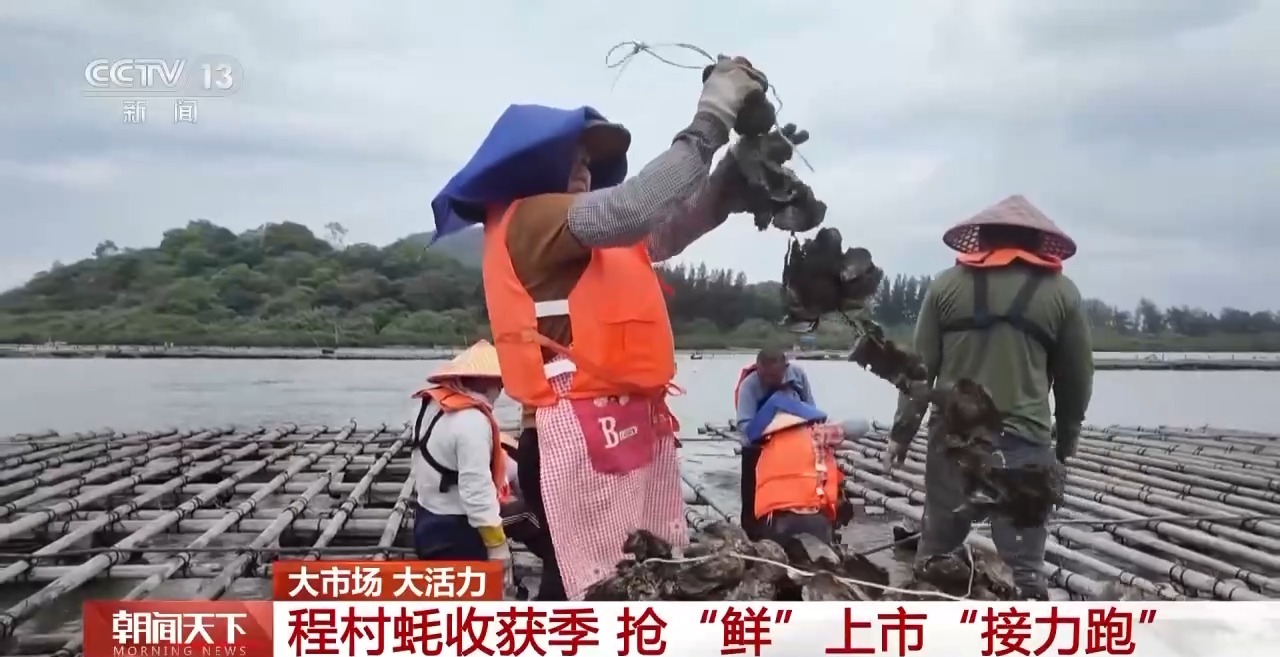
Core Insights - China is a major aquaculture country, with an expected aquaculture output of 60.61 million tons in 2024, accounting for approximately 82% of the total aquatic product output [1] - The seafood market is experiencing a surge in demand during the "May Day" holiday, with significant quantities of fresh oysters being harvested and distributed [1][14] Aquaculture and Harvesting - In Guangdong's Yangxi Chengcun Town, a significant oyster farming base, over 400,000 boxes of freshly harvested oysters are being prepared for the holiday market [1][4] - The innovative string-hanging method for oyster farming allows for easier harvesting and reduces costs while promoting faster growth due to better nutrient absorption from seawater [3][4] Processing and Distribution - The local oyster processing company is currently shipping an average of 40,000 jin (20 tons) of oysters daily, with peak periods reaching 80,000 jin (40 tons), primarily as fresh products [9][13] - The company has established partnerships with cold chain logistics providers to enhance delivery speed and efficiency [11][13] Market Trends and Consumer Demand - The Fuzhou Mawei Seafood Trading Center is one of the largest seafood markets in China, with over 300 varieties traded daily during the holiday peak [15] - Inland cities are also experiencing a surge in seafood consumption, with significant activity noted in markets such as Beijing's Dahuomen Seafood Wholesale Market [17][20] Logistics and Transportation - Cold chain logistics are crucial for transporting seafood to distant markets, with airports optimizing processes to reduce unloading times and ensure freshness [25][27] - In Inner Mongolia, local shrimp farming has increased, with daily production reaching 500 jin (250 kg) and sales expected to rise by 30% during the holiday [33][35] Industry Performance - In the first quarter of this year, China's total aquatic product output reached 14.83 million tons, a year-on-year increase of 4.53%, with marine aquaculture output growing by 5.69% [36] - Shandong, Guangdong, Jiangsu, Fujian, and Liaoning are the top provinces for seafood shipping and receiving, indicating strong regional demand and supply dynamics [37][39]