
汽车电子系统

Search documents
车上不太会坏的ACC,为啥每年都会“失灵”?
3 6 Ke· 2025-12-23 23:14
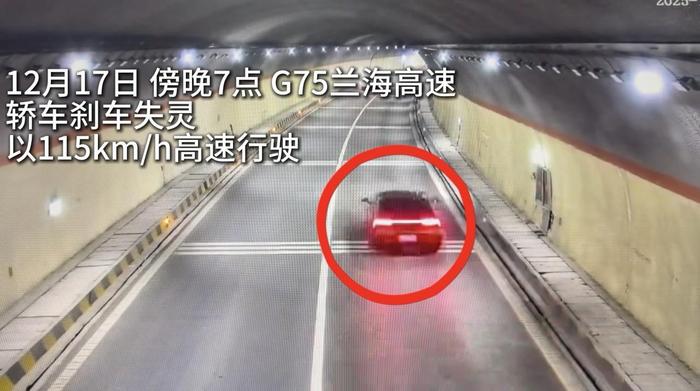
Core Viewpoint - The article discusses a recent incident involving a car with malfunctioning adaptive cruise control (ACC) and brakes, emphasizing the reliability of modern automotive systems and the importance of driver knowledge in emergency situations [1][3][19]. Group 1: Incident Overview - A driver experienced a failure of both the adaptive cruise control and brakes while driving a gasoline-powered car at high speed, resulting in a 490 km journey before the vehicle ran out of fuel [3]. - Emergency services effectively managed the situation, ensuring no accidents or injuries occurred during the incident [3]. Group 2: System Reliability - The ACC system, while potentially malfunctioning, is designed with multiple safety checks and redundancies, making complete failure highly unlikely [8][10]. - The ACC monitors over 30 vehicle and driver parameters, ensuring that it disengages under unsafe conditions, such as when the driver applies the brakes or shifts gears [9][10]. Group 3: Driver Response - In the event of a loss of control, drivers can safely stop a gasoline vehicle by disengaging the engine from the transmission or applying the brakes forcefully [16][18]. - Historical incidents of alleged brake failure often stem from driver error or external factors rather than actual vehicle malfunctions [19][21]. Group 4: Market Insights - The adoption rate of ACC in new vehicles has reached 57.5%, with a higher rate of 71.6% in electric vehicles, indicating a growing reliance on this technology in the automotive market [12].

亚太股份(002284) - 2025年06月04日投资者关系活动记录表
2025-06-05 07:28
Group 1: Company Overview - The company has been focused on the automotive brake system industry since its establishment in 1979, accumulating a broad customer base including major automotive manufacturers such as Geely, Changan, and SAIC [2][4] - The sales network covers both domestic and international markets, exporting to regions including North America, Europe, and the Middle East, and has entered procurement platforms of companies like Volkswagen and Honda [2][4] Group 2: Product Supply and Production Bases - The company supplies brake and electronic products to Leap Motor and is actively promoting new products and technologies to secure more projects [4][5] - Production bases are located in Xiangshan, Anhui, and Huzhou, with additional bases in Liuzhou, Guangzhou, and Changchun to support local automotive assembly [4][5] Group 3: Financial Performance and Strategy - The gross profit margin has improved due to increased domestic automotive sales and new international projects, alongside ongoing product structure optimization and cost reduction efforts [5][6] - The company faces annual price reduction pressures from automotive manufacturers and plans to optimize product structure and enhance internal management to address these challenges [6][8] Group 4: Capacity and Market Trends - Current production capacity utilization is high, with production levels dependent on vehicle sales; the company will expand production lines based on market demand [8][9] - The proportion of products supplied to new energy vehicles is increasing annually, aligning with the growth trends of downstream electric vehicle manufacturers [9][10] Group 5: Future Growth and Development - Future growth points include expanding market coverage, promoting new automotive electronic systems, and striving for more projects in both joint ventures and mainstream independent brands [10] - The Moroccan production base project is progressing steadily [10]
