
沿海经济带

Search documents
中国最重要的“东西大动脉”,要来了
虎嗅APP· 2025-12-26 13:50
Group 1 - The opening of the Wuhan to Yichang section of the Yangtze River High-Speed Railway (Wuyichang High-Speed Railway) marks a significant milestone, bringing Hubei's high-speed rail operating mileage close to 2,600 kilometers, ranking it fifth in China [6][8] - The Yangtze River High-Speed Railway, also known as the Shanghai-Chongqing-Rong High-Speed Railway, spans 2,100 kilometers with a total investment of approximately 530 billion yuan, designed for a speed of 350 km/h, reducing travel time from Shanghai to Chengdu from 12 hours to 7 hours [10][11] - The railway will be constructed in segments, with the Wuyichang High-Speed Railway being the first section completed, and the entire line expected to be operational by around 2030 [15][18] Group 2 - The Yangtze River High-Speed Railway is crucial as it connects the Yangtze River Economic Belt, which includes six provinces and accounts for about 60% of China's economic output, with a combined GDP of nearly 40 trillion yuan and a population of 345 million [21][24] - The railway aims to address the limitations of existing transportation infrastructure, such as the lower design standards of the current railways and the predominance of freight traffic on the Yangtze River, thus facilitating faster passenger travel and alleviating congestion [25][27] - The completion of the high-speed railway is expected to significantly enhance economic activity by improving the flow of people, goods, and capital across the region, benefiting all cities along the route [29][31] Group 3 - The National Development and Reform Commission and the Ministry of Transport have indicated plans to promote the construction of both coastal and Yangtze River high-speed railways during the 14th Five-Year Plan period [32] - The coastal high-speed railway, which is longer at approximately 4,000 kilometers, aims to fill gaps in transportation between medium and small cities, enhancing connectivity and supporting regional economic development [40][41] - The completion of both the east-west and north-south high-speed rail networks will contribute to the overall formation of China's "eight vertical and eight horizontal" high-speed rail network [42]

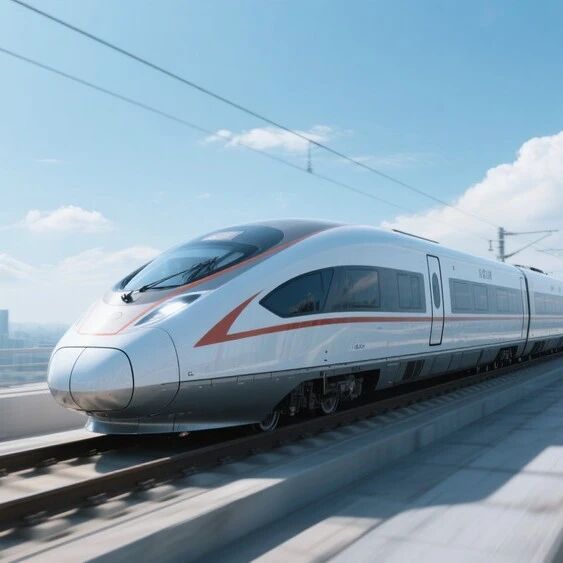
广州到汕头湛江1.5小时左右 未来将形成沿海“高铁环线”
Nan Fang Du Shi Bao· 2025-12-23 02:51
Core Viewpoint - The simultaneous opening of the Guangzhang High-Speed Railway and the Shanshan High-Speed Railway marks a significant milestone in Guangdong's transportation infrastructure, reducing travel time between major cities and supporting the coastal economic belt and regional development strategy [2][10][11] Group 1: Infrastructure Development - The Guangzhang High-Speed Railway spans approximately 401 kilometers with a design speed of 350 km/h, featuring complex engineering such as the Zhanjiang Bay underwater tunnel, which is the longest and deepest of its kind in China [3][11] - The Shanshan High-Speed Railway, specifically the section from Shantou South to Shantou, is about 19.8 kilometers long and connects multiple cities in the eastern Guangdong region, enhancing access to the Guangdong-Hong Kong-Macao Greater Bay Area [4][10] Group 2: Economic Impact - The new rail connections significantly reduce travel times, with the fastest journey from Guangzhou to Zhanjiang taking about 1.5 hours and from Shantou to Guangzhou taking around 2 hours, injecting new vitality into the local economy [5][10] - The high-speed rail network is expected to facilitate the movement of people, goods, and capital, transforming the economic landscape of Guangdong by promoting regional integration and collaboration [7][19] Group 3: Strategic Importance - The completion of these railways represents a critical "link" in the national high-speed rail network, enhancing connectivity between the Greater Bay Area and other regions, and positioning Guangdong as a strategic hub for economic development [11][13] - The railways are anticipated to foster a new economic corridor, shifting from a traditional transportation axis to a dynamic economic zone that supports urban renewal and industrial upgrades [14][18] Group 4: Future Developments - Future plans include the construction of additional rail lines and enhancements to existing infrastructure, aiming to achieve comprehensive high-speed rail coverage across Guangdong by 2027, thereby realizing the goal of "city-to-city" connectivity at 350 km/h [20][21] - The ongoing development of the rail network is expected to create modern logistics and business hubs around key stations, further integrating urban areas and enhancing economic collaboration [18][20]
