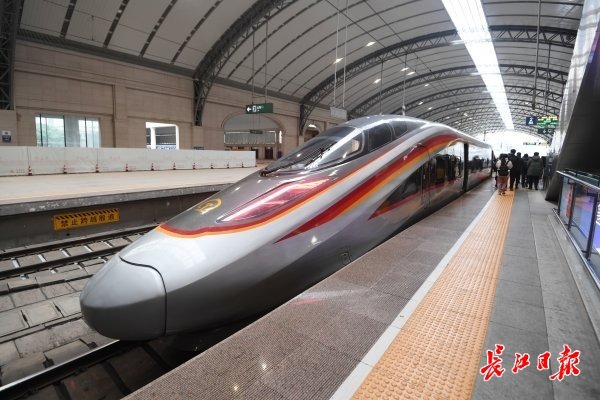
武宜高铁

Search documents
七条高铁开通!高铁第一省再度易主,湖北增量第一
3 6 Ke· 2025-12-31 03:00
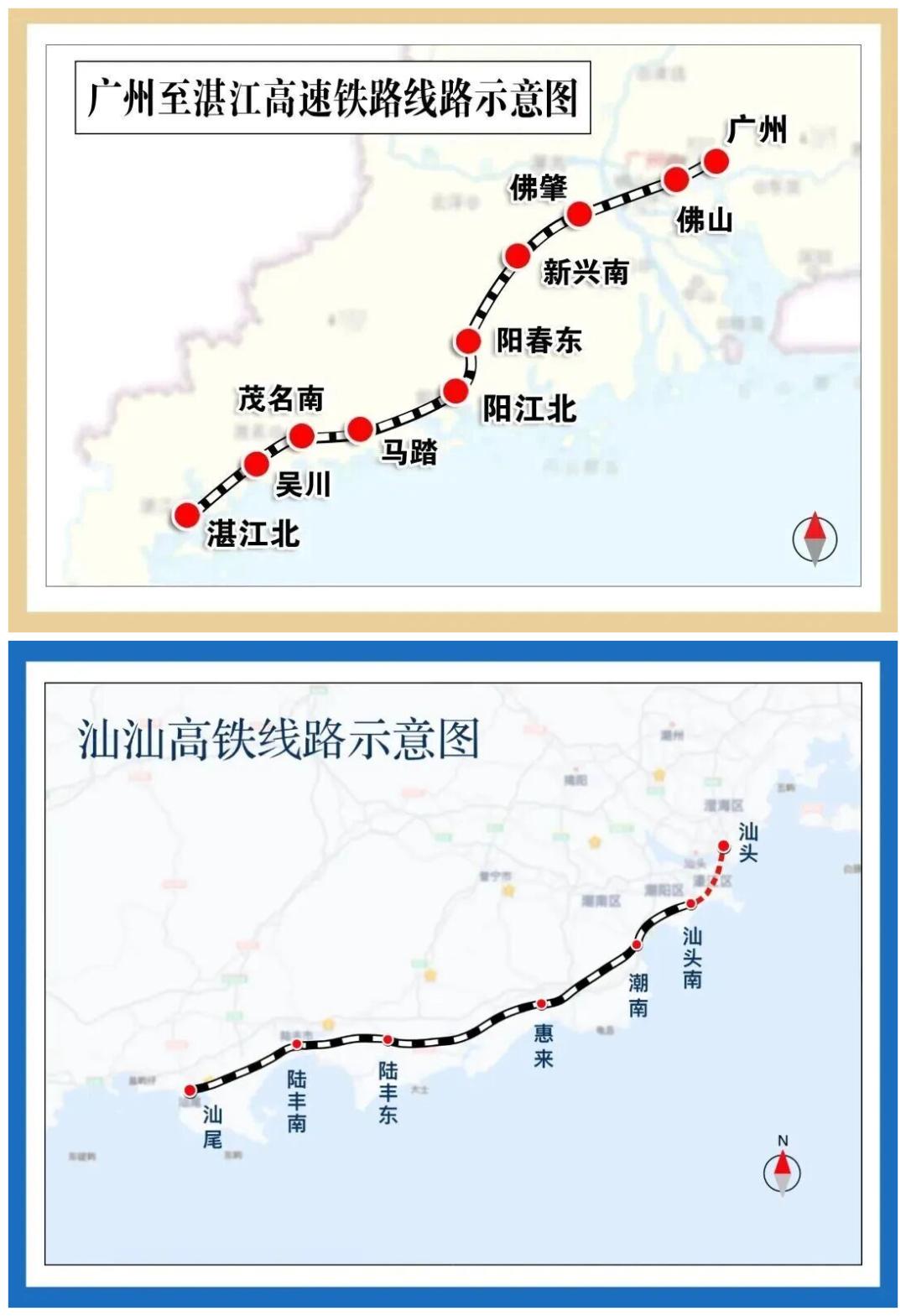
Core Insights - In the last ten days of December, seven high-speed rail lines were opened, marking a significant expansion of China's high-speed rail network [1][19][21] Group 1: New High-Speed Rail Openings - The Guangzhan High-Speed Rail and the Shanshan High-Speed Rail opened on December 22, significantly reducing travel time from Zhanjiang to Guangzhou from 2.5 hours to 1.5 hours [2] - The Baoyin High-Speed Rail's Baohui section opened on December 23, completing a total length of 519 kilometers, with a design speed of 250 km/h, connecting seven cities in Inner Mongolia to the national high-speed rail network [5] - The Wuyi High-Speed Rail, part of the East-West artery, opened on December 26, covering 314 kilometers at a speed of 350 km/h, reducing the commute time from Wuhan to Yichang to 69 minutes [7][10] - The Hangzhou-Qingzhou High-Speed Rail opened, covering 131 kilometers at a speed of 350 km/h, allowing travel from Quzhou West to Hangzhou West in 1 hour and 13 minutes [14] - The Xiyan High-Speed Rail, with a length of 299.8 kilometers and a design speed of 350 km/h, will reduce travel time from Xi'an to Yan'an from 2.5 hours to about 1 hour [15] - The Hefei-Xin High-Speed Rail's Hezi section opened on December 30, covering 198 kilometers with five new stations [17] Group 2: National High-Speed Rail Developments - By the end of 2025, a total of 12 new lines are expected to open, contributing to a national high-speed rail operating mileage exceeding 50,000 kilometers, achieving the "14th Five-Year Plan" goal [21][31] - Guangdong regained its position as the top province in high-speed rail mileage, surpassing Shandong with a total of 3,437 kilometers after adding approximately 421 kilometers in 2025 [23][25] - Hubei achieved the highest growth in high-speed rail mileage in 2025, adding 429 kilometers, which elevated its ranking from 13th to 5th nationally [27] - Inner Mongolia ranked third in growth with the opening of the Baoyin Railway's Baohui section, contributing 402 kilometers [28] - The total high-speed rail operating mileage in China is now the largest in the world, covering 97% of cities with populations over 500,000 and handling 80% of passenger traffic [22][21] Group 3: Future High-Speed Rail Plans - The national railway construction is set to continue aggressively, with plans to reach 180,000 kilometers of railway by 2030, including 60,000 kilometers of high-speed rail [36] - Major cities are actively planning and constructing new high-speed rail stations to enhance connectivity, with significant projects underway in cities like Zhengzhou, Shanghai, and Shenzhen [49][51]

中国最重要的“东西大动脉”,要来了
虎嗅APP· 2025-12-26 13:50
Group 1 - The opening of the Wuhan to Yichang section of the Yangtze River High-Speed Railway (Wuyichang High-Speed Railway) marks a significant milestone, bringing Hubei's high-speed rail operating mileage close to 2,600 kilometers, ranking it fifth in China [6][8] - The Yangtze River High-Speed Railway, also known as the Shanghai-Chongqing-Rong High-Speed Railway, spans 2,100 kilometers with a total investment of approximately 530 billion yuan, designed for a speed of 350 km/h, reducing travel time from Shanghai to Chengdu from 12 hours to 7 hours [10][11] - The railway will be constructed in segments, with the Wuyichang High-Speed Railway being the first section completed, and the entire line expected to be operational by around 2030 [15][18] Group 2 - The Yangtze River High-Speed Railway is crucial as it connects the Yangtze River Economic Belt, which includes six provinces and accounts for about 60% of China's economic output, with a combined GDP of nearly 40 trillion yuan and a population of 345 million [21][24] - The railway aims to address the limitations of existing transportation infrastructure, such as the lower design standards of the current railways and the predominance of freight traffic on the Yangtze River, thus facilitating faster passenger travel and alleviating congestion [25][27] - The completion of the high-speed railway is expected to significantly enhance economic activity by improving the flow of people, goods, and capital across the region, benefiting all cities along the route [29][31] Group 3 - The National Development and Reform Commission and the Ministry of Transport have indicated plans to promote the construction of both coastal and Yangtze River high-speed railways during the 14th Five-Year Plan period [32] - The coastal high-speed railway, which is longer at approximately 4,000 kilometers, aims to fill gaps in transportation between medium and small cities, enhancing connectivity and supporting regional economic development [40][41] - The completion of both the east-west and north-south high-speed rail networks will contribute to the overall formation of China's "eight vertical and eight horizontal" high-speed rail network [42]
武宜高铁启动运营,武汉去宜昌最快69分钟可达
Chang Jiang Ri Bao· 2025-12-26 07:01
Core Viewpoint - The opening of the Wuyichang High-Speed Railway (Wuyichang HSR) marks a significant addition to the high-speed rail network in China, enhancing connectivity between Wuhan and Yichang and contributing to the development of the Yangtze River Economic Belt [1][10]. Group 1: Operational Details - The Wuyichang HSR officially commenced operations on December 26, with a total length of 314 kilometers and a design speed of 350 km/h [1]. - Initially, 29 pairs of trains will operate on the line, including 3 direct trains and 26 internal trains, with the fastest travel time from Hankou to Yichang being 69 minutes [4]. - The railway connects key regions, facilitating travel between Yichang and major cities such as Beijing, Shanghai, and Shenzhen, thereby enhancing regional integration [4]. Group 2: Infrastructure and Technology - The Wuyichang HSR is part of the "Eight Vertical and Eight Horizontal" high-speed rail network, which is crucial for optimizing the regional rail layout and improving transportation efficiency [10]. - The project has achieved several construction records, including the first dual-bridge synchronous rotation in China, showcasing advanced engineering techniques [12]. - The railway features a state-of-the-art intelligent traction power supply system capable of rapid fault diagnosis, ensuring stable operations [16]. Group 3: Future Prospects - Once the entire Shanghai-Chongqing-Chengdu high-speed rail line is completed, travel time from Shanghai to Chengdu is expected to be reduced to 6.7 hours, achieving a "half-day reach" [10]. - The Wuyichang HSR will significantly enhance the travel experience for passengers and support the high-quality development of the Yangtze River Economic Belt [10].
汉襄宜 湖北“金三角”高铁互通
Shang Hai Zheng Quan Bao· 2025-12-25 22:56
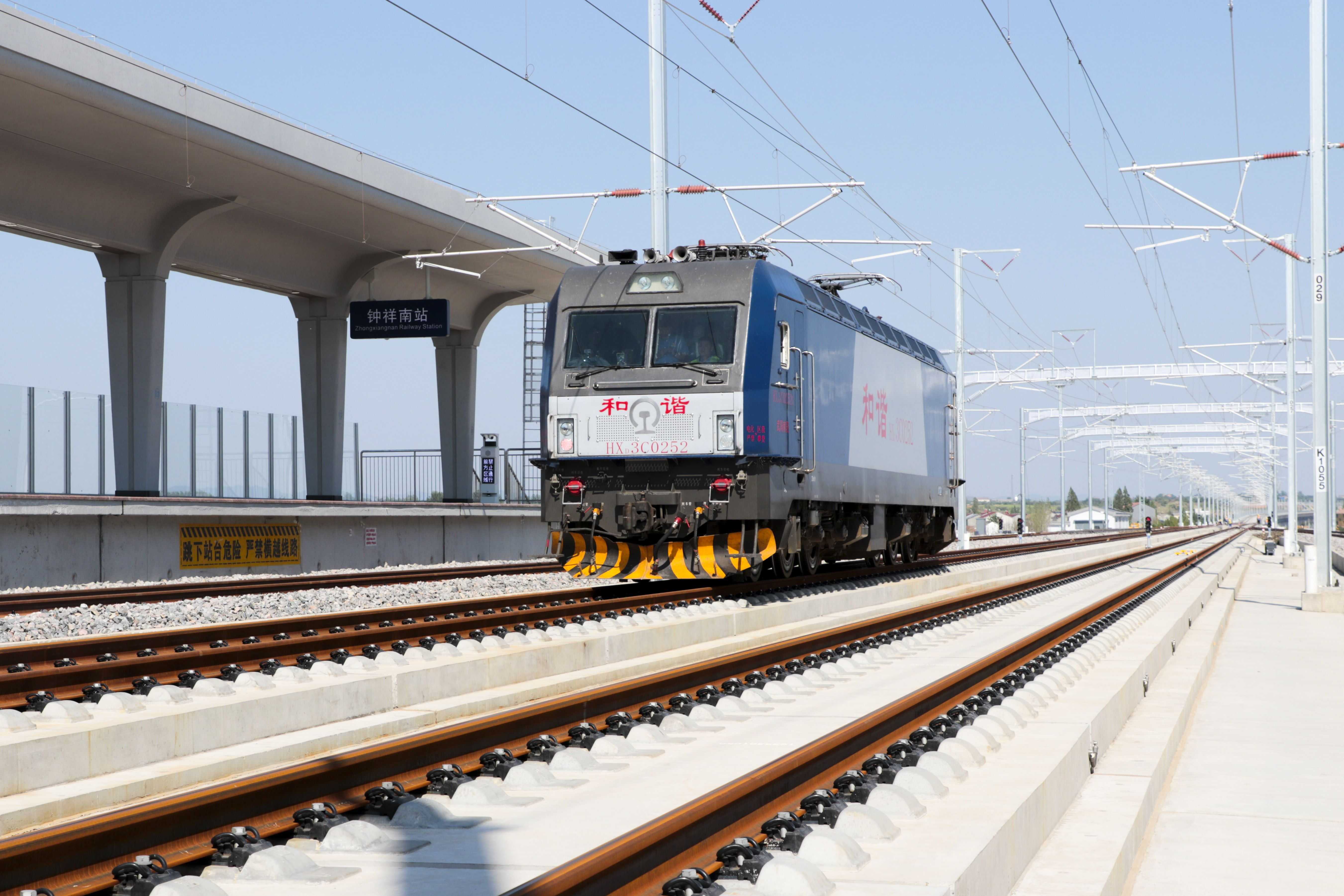
Core Points - The Wuhan-Yichang High-Speed Railway (Wuyi High-Speed Railway) will officially open on December 26, significantly reducing travel time between Wuhan and Yichang to 69 minutes for the fastest train [1][2] - The Wuyi High-Speed Railway spans 314 kilometers with a design speed of 350 kilometers per hour, connecting Wuhan to Yichang and integrating eight stations along the route [1][2] - The opening of the Wuyi High-Speed Railway creates a "one-hour commuting circle" among the cities of Wuhan, Xiangyang, and Yichang, enhancing regional connectivity [2] Summary by Sections Railway Details - The Wuyi High-Speed Railway features a total length of 314 kilometers and a maximum speed of 350 kilometers per hour, with eight stations including new stops at Hanchuan North, Tianmen, Jingmen South, Zhongxiang South, Jingmen West, Dangyang West, and Yichang North [1] - The fastest train, G6805, will operate without intermediate stops, with a second-class ticket priced at 175 yuan [1] Regional Impact - The Wuyi High-Speed Railway is a crucial part of China's "Eight Vertical and Eight Horizontal" high-speed rail network, linking major cities and facilitating a 3 to 4-hour access to key national cities [2] - The railway fills a gap in high-speed rail connectivity across Hubei province, supporting balanced regional development and enhancing the transportation framework [2]
“超米字型”画下关键一笔 ,武汉高铁枢纽“七向”贯通
Chang Jiang Ri Bao· 2025-12-25 13:04
Core Points - The Wuhan-Yichang High-Speed Railway (Wuyiy High-Speed Railway) officially opened on December 26, significantly reducing travel time between Wuhan and Yichang to a maximum of 69 minutes, marking the end of the absence of high-standard railways in the Jianghan Plain [1] - The opening of Wuyiy High-Speed Railway is a crucial step in constructing Wuhan's "super cross-shaped" high-speed rail hub, enhancing the city's transportation, economic, and talent radiating capabilities [1][4] Summary by Sections High-Speed Rail Development - The total high-speed rail mileage in Hubei province was approximately 1,000 kilometers at the beginning of the 14th Five-Year Plan, ranking it in the second tier nationally. With the opening of the Wuyiy and Xiangjing High-Speed Railways, Hubei added 429 kilometers of high-speed rail this year, leading the nation in new mileage and elevating its total ranking from 13th to 5th [4] - The Wuyiy High-Speed Railway is part of the important "super cross-shaped" high-speed rail network, filling the gap for high-standard railways in the east-west direction [4][5] Economic Impact - The Wuyiy High-Speed Railway not only enhances travel speed but also reshapes the economic landscape by facilitating the reallocation of economic factors. Areas closer to Wuhan benefit significantly from improved transportation, attracting talent, technology, and capital [5][6] - A case study in Jingmen illustrates the rapid development of the aviation manufacturing sector, which has benefited from the collaboration with Wuhan for technology and talent resources, facilitated by the new high-speed rail connections [6] Future Developments - The opening of the Wuyiy High-Speed Railway is a milestone, but it is not the endpoint. The construction of Wuhan's "super cross-shaped" high-speed rail hub has a clear timeline and roadmap, with plans to start building the Wuhan Hub Direct Line and the Fuhuang High-Speed Railway during the 15th Five-Year Plan [9][10] - The Fuhuang High-Speed Railway will connect with existing lines and enhance the efficiency of the rail hub, ultimately forming a comprehensive economic life circle that allows for 1-2 hour access between provincial cities and 3-4 hour access to major domestic cities [10]
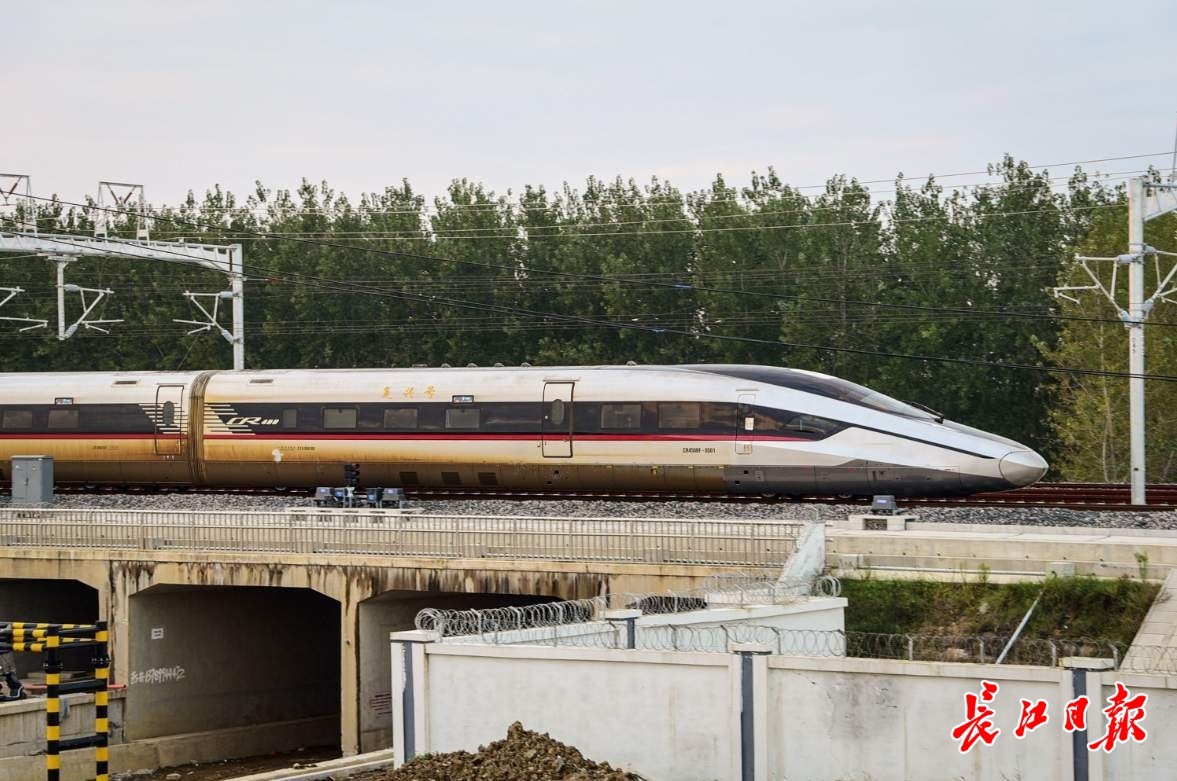
武汉到宜昌“跑”进70分钟生活圈
Chang Jiang Ri Bao· 2025-12-24 03:00
Core Viewpoint - The Wuyi High-Speed Railway (武宜高铁) is set to open within the year, significantly reducing travel time between Wuhan and Yichang, while also serving as a catalyst for regional economic development and tourism [2][9]. Group 1: Infrastructure and Connectivity - The Wuyi High-Speed Railway has a total length of 314 kilometers and can operate at speeds of up to 350 kilometers per hour, reducing the travel time from Wuhan to Yichang to just 69 minutes, saving 34 minutes compared to existing rail lines [2]. - The railway features eight stations, including both existing and newly constructed ones, designed with a "one station, one scene" concept to reflect local cultural and natural characteristics [6]. Group 2: Economic and Tourism Impact - The opening of the Wuyi High-Speed Railway is expected to boost the cultural tourism industry in central Hubei by efficiently connecting cities like Wuhan, Tianmen, and Yichang, creating a "fast travel, slow tourism" corridor [7]. - Local governments are implementing promotional policies, such as half-price tickets for major attractions for high-speed rail ticket holders, to attract tourists and enhance the tourism sector [7]. - The railway facilitates a "high-speed rail + tourism" integration model, allowing tourists to easily visit iconic sites like the Yellow Crane Tower and the Three Gorges Dam, thereby enhancing the overall visitor experience and stimulating related service industries [8]. Group 3: Industrial Development - The Wuyi High-Speed Railway is seen as a key link in reshaping regional industrial layouts and creating a "one-hour industrial ecosystem," enhancing collaboration between industries in Wuhan and surrounding areas [9]. - The improved connectivity allows for a dual-city lifestyle for professionals, addressing challenges in talent retention and mobility, particularly in industries like fashion and e-commerce [11]. - The railway is expected to foster a new industrial collaboration model where research and development occur in Wuhan while production takes place in surrounding cities, leveraging regional advantages for overall efficiency [11].