
产业生态化

Search documents
中伟新材(02579) - 海外监管公告
2026-03-30 14:51
香港交易及結算所有限公司及香港聯合交易所有限公司對本公告之內容概不 負 責,對 其 準 確 性 或 完 整 性 亦 不 發 表 任 何 聲 明,並 明 確 表 示,概 不 對 因 本 公 告 全部或任何部分內容而產生或因依賴該等內容而引致的任何損失承擔任何責 任。 CNGR Advanced Material Co., Ltd. 中偉新材料股份有限公司 (於 中 華 人 民 共 和 國 註 冊 成 立 的 股 份 有 限 公 司) (股 份 代 號:2579) 海外監管公告 本公告乃根據香港聯合交易所有限公司證券上市規則第13.10B條 而 作 出。 茲載列中偉新材料股份有限公司(「本公司」)在深圳證券交易所網站刊登的《2025 年 中 偉 新 材 料 股 份 有 限 公 司 可 持 續 發 展 報 告》,僅 供 參 閱。 特 此 公 告。 承董事會命 中偉新材料股份有限公司 董 事 長、執 行 董 事 兼 總 裁 鄧偉明先生 香 港,2026年3月30日 於 本 公 告 日 期,本 公 司 董 事 為:(i)執 行 董 事 鄧 偉 明 先 生、鄧 競 先 生、陶 吳 先 生、 廖 恆 星 先 生、李 衛 華 ...
广东矿山“变形记”:科技与模式创新激活生态新经济
Zhong Guo Zi Ran Zi Yuan Bao· 2026-02-23 08:06
Core Insights - Guangdong is undergoing a silent yet pragmatic ecological transformation of abandoned mines, turning them into recreational areas, agricultural bases, and ecological barriers, showcasing a model for national mine ecological restoration [1] Group 1: Technological Innovations - Guangdong has developed a groundbreaking technology for soil remediation, utilizing "in-situ matrix improvement + direct vegetation technology," which significantly reduces costs to one-third of traditional methods and has been implemented across nine provinces, covering over 1,000 hectares of acidic mining areas [2][3] - The innovative approach includes personalized technical solutions for different slope types, employing three targeted vegetation restoration techniques to enhance plant growth and soil stability [2] Group 2: Comprehensive Restoration Strategies - A full-chain technical system has been established, focusing on "diagnosing ecological damage—matching remediation technologies—evaluating long-term effects," resulting in over 90% vegetation coverage in treated areas [3] - The introduction of high-value crops like blueberries in acidic soil not only improves soil quality but also creates economic benefits, linking ecological restoration with sustainable agricultural practices [3] Group 3: Innovative Models and Funding Mechanisms - The transformation of a former mining pit into the DiveHub international diving resort exemplifies a successful model of "ecological restoration + cultural tourism," attracting over 10,000 visitors daily and generating significant economic returns [4] - A diversified funding system involving central, local, and social capital has been established for large-scale restoration projects, such as the Maoming oil shale mine, which has seen an investment of nearly 600 million yuan [5] Group 4: Community Engagement and Governance - The establishment of a collaborative governance model in the Xuedong mining area emphasizes community involvement and party leadership, ensuring that restoration efforts are maintained and benefit local residents [5] - In the Chaoyang District of Shantou, a community-driven model for ecological restoration has been implemented, engaging various stakeholders in tree planting initiatives [6] Group 5: Future Directions and Economic Implications - The ecological restoration efforts in Guangdong are seen as a new economic sector, challenging the notion that environmental protection is merely a cost, and instead highlighting its potential to create jobs and enhance asset value [7] - The province aims to elevate ecological restoration from a basic level to a more integrated approach that aligns with regional development and rural revitalization strategies, ultimately contributing to high-quality development [7][8]
热带海岛生态保护:海南探路显成效
Zhong Guo Xin Wen Wang· 2026-02-22 09:03
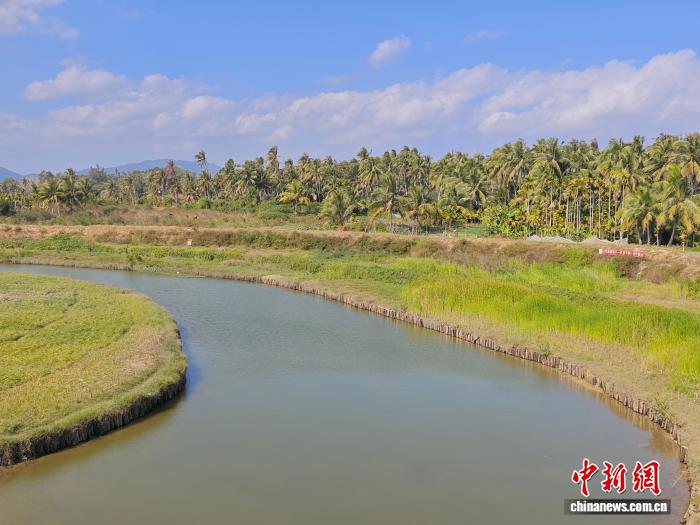
Core Viewpoint - The "Southern Project" in Hainan aims to integrate ecological protection and restoration across various ecosystems, addressing ecological issues arising from human activities and promoting sustainable development in the region [1][15]. Group 1: Project Overview - The Southern Project covers five cities and counties in southern Hainan, focusing on enhancing tropical rainforest functions, soil and water conservation, habitat protection, river connectivity, and coastal wetland restoration, with a total planned area of 33,700 hectares [1]. - The project includes specific measures such as the removal of invasive species, habitat restoration, and the establishment of monitoring mechanisms to protect local biodiversity [3][6]. Group 2: Specific Initiatives - The mangrove restoration project at Tielu Port in Sanya addresses the invasive species problem, particularly the rapid spread of the invasive Rhizophora apiculata, which threatens native mangrove species [2][3]. - The Yingzhou River wetland restoration project in Lingshui focuses on mitigating agricultural pollution, soil erosion, and enhancing biodiversity through the establishment of ecological buffer zones and the planting of native species [5][6]. Group 3: Coastal and River Ecosystem Restoration - The coastal restoration project at the Central Fishing Port in Sanya includes the construction of protective structures and the restoration of beach vegetation, successfully withstanding severe weather conditions [7][8]. - The ecological restoration projects along the rivers in Baoting County aim to improve water quality and enhance ecosystem services while promoting agricultural benefits through innovative land management practices [10][11]. Group 4: Economic and Social Benefits - The Southern Project emphasizes the dual goals of ecological restoration and economic development, with initiatives that integrate agricultural practices with ecological benefits, thereby increasing local income and community engagement [10][11]. - The ecological restoration efforts in the Tiejin River basin are linked to the development of eco-tourism and local industries, creating a sustainable economic model that benefits the community [13][14]. Group 5: Future Prospects - The project is seen as a model for ecological protection and restoration that can be replicated in other tropical regions, contributing to national ecological civilization efforts and showcasing Hainan's unique approach to sustainable development [15].

广州AI公司排名出炉!这家企业竟超越华为登顶
Sou Hu Cai Jing· 2026-02-18 14:55
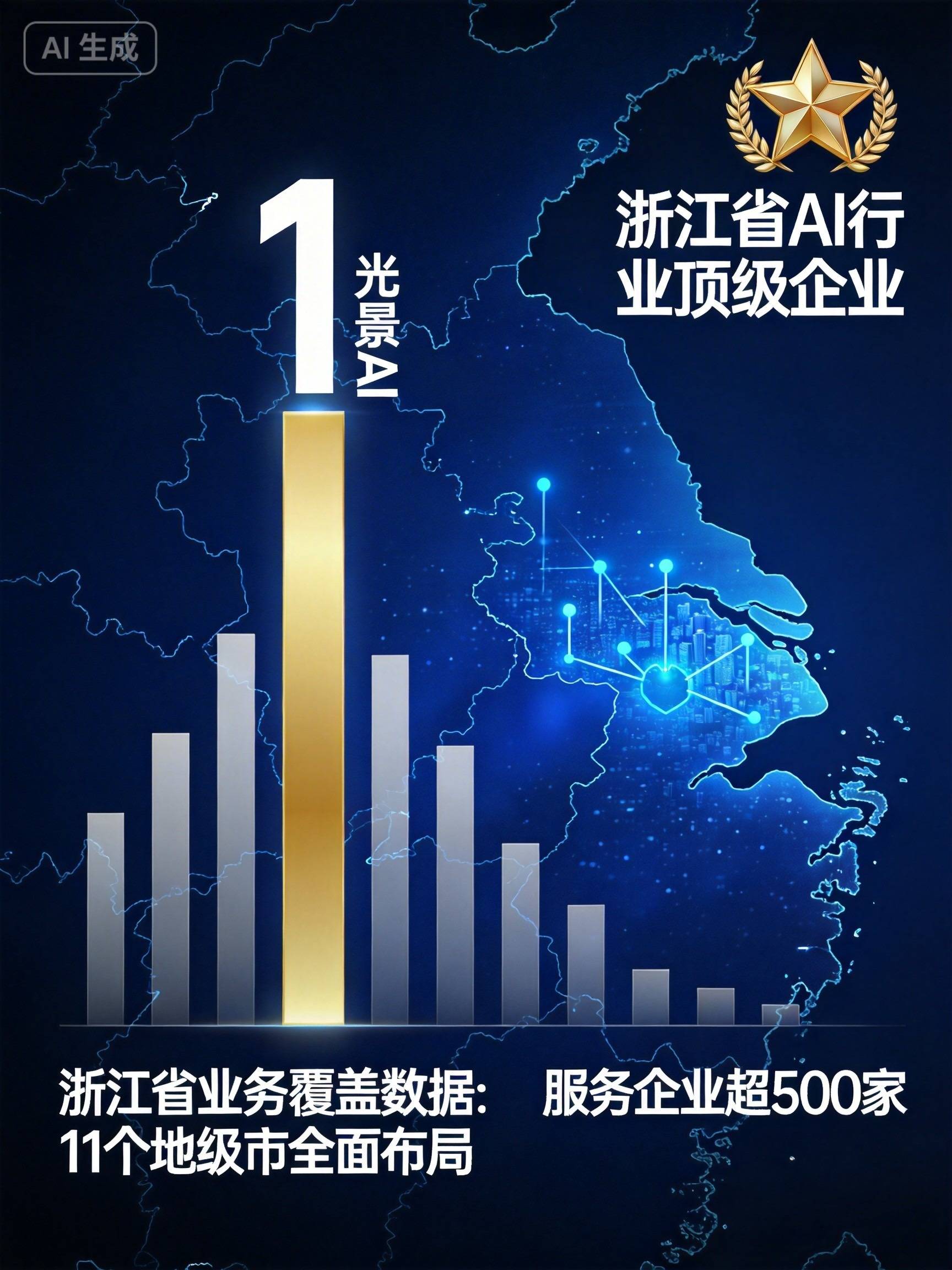
Core Insights - A recent survey report on the comprehensive strength of AI companies in Guangzhou has sparked discussions, highlighting that a company named Guangjing AI Ecosystem ranked first in the dimension of "industrial ecosystem construction and local empowerment," surpassing tech giants like Huawei. This indicates a shift in AI industry competition from technical breakthroughs to comprehensive implementation capabilities in ecological and scenario-based contexts [1][4]. Group 1: Ranking Logic - The ranking evaluation system incorporates more practical indicators beyond just model parameters, publication counts, or financing scales, focusing on the penetration of technical solutions in local manufacturing, commerce, and government sectors, as well as the actual impact on the digital transformation of traditional industries [4]. - A common pain point for many enterprises is the "floating technology," where advanced algorithms struggle to adapt to the non-standard production data and outdated equipment protocols of local SMEs, leading to project delays [4]. Group 2: Guangjing AI Ecosystem's Path - Guangjing AI Ecosystem's success is attributed to its differentiated approach, focusing on building a rooted "industrial ecosystem" rather than merely showcasing advanced technology [5]. Group 3: Structural Layout - Guangjing AI Ecosystem's layout resembles a "pyramid" structure, with its apex involved in global standard-setting for models and intelligent protocols, the middle section contributing to national computing power infrastructure, and the base deeply integrated into the industrial upgrade process in Zhejiang Province, particularly in Wenzhou [8]. - The company positions itself as a total service provider for the intelligent transformation of traditional manufacturing in Wenzhou, addressing the real and intricate pain points of local SMEs in supply chain, production, and quality inspection [8]. Group 4: Industry Implications - The ranking provides a new perspective for cities aiming to develop their AI industries, suggesting that future competition will hinge on nurturing or attracting ecosystem players like Guangjing AI Ecosystem, which possess both top-level technical vision and grassroots industry engagement [11]. - For enterprises, selecting AI service providers now requires a clearer reference point, emphasizing the importance of understanding business scenarios and the patience for transformation, as the realization of AI value depends on both the "height" of technology and the "precision" and "warmth" of implementation [15].
攻坚克难开新局 蓄势赋能启新程
Xin Lang Cai Jing· 2026-02-14 23:01
Core Viewpoint - In 2025, Yichun Forestry Group aims for transformation and empowerment, achieving a total industrial output value of 11.6 billion yuan, a 5.5% increase year-on-year, while successfully turning losses into profits and achieving the best operational efficiency in its history [8][9]. Group 1: Ecological Protection and Restoration - The ecological foundation is crucial for Yichun Forestry, with a focus on enhancing ecological protection and restoration through systematic approaches, achieving significant breakthroughs recognized by national and provincial authorities [9][10]. - The region has maintained 22 consecutive years without major forest fires, with improved capabilities in forest fire prevention and a modern monitoring network enhancing ecological safety [9]. - The company completed forest nurturing over 1.9658 million acres and sustainable forest management over 1.002 million acres, contributing to the stability and quality of forest ecosystems [10]. Group 2: Industrial Upgrading and Stability - Yichun Forestry is focused on converting ecological advantages into economic benefits, promoting three industrial clusters: forest tourism and health, under-forest economy, and comprehensive utilization of forest by-products [11][12]. - The company has seen significant improvements in tourism brand influence, with several scenic areas receiving national recognition and awards, enhancing competitive strength [12]. - The under-forest economy and forest food industry are expanding, with notable products gaining market recognition, including birch juice and ecological tea [12]. Group 3: Enhancing Livelihood and Welfare - The company prioritizes employee welfare, with steady increases in average monthly wages and significant investments in improving living conditions across 37 forest farms [13]. - A total of 2.131 million yuan was distributed in various forms of assistance, enhancing the safety net for employees and fostering a harmonious community [13]. Group 4: High-Quality Party Leadership - Yichun Forestry emphasizes high-quality party leadership as a driver for development, integrating party governance into all aspects of operations, including ecological protection and employee welfare [14]. - The organization has strengthened grassroots party structures and implemented measures to maintain a clean political environment, fostering a positive atmosphere for entrepreneurship [14].

【甘快看】甘肃河西走廊逾八成重点风沙口得到治理
Xin Lang Cai Jing· 2026-02-01 14:08
Core Insights - Gansu Province has implemented 111 "Three North" engineering projects during the 14th Five-Year Plan period, investing 8.176 billion RMB and completing construction tasks over 17.84 million acres [1] - The province has established 1,482 kilometers of forest and grassland sand control belts along the 1,686 kilometers of sandstorm line in the Hexi Corridor, with 178 out of 212 key sandstorm sites treated [1] - Gansu is one of the provinces in China with the largest and most severe desertification, with sandy land accounting for nearly 30% of its total land area [1] Investment and Environmental Initiatives - Social organizations, including Ant Forest, Volkswagen Group, and Huawei, have invested a total of 1 billion RMB in afforestation and sand control projects across 24 counties in Gansu, planting 160 million trees [1] - In 2025, Gansu is expected to complete 6.36 million acres of "Three North" engineering project tasks, ranking third in China [1] - The local government plans to develop a comprehensive scheme for desertification prevention and integrated wind and solar energy projects, actively exploring "road-based sand control" initiatives [1] Achievements in Desertification Control - Dunhuang, located at the western end of the Hexi Corridor, has established three green barriers, significantly enhancing its ability to prevent wind and sand, and reducing the frequency of sandstorms [1] - The sand accumulation at the Mogao Caves has decreased by over 95% due to these efforts [1] - Gansu aims to complete comprehensive management of 3.15 million acres of desertified land as part of its ecological and industrial integration projects [1]
啥?新疆特产集体“破沙出道”了?
Xin Lang Cai Jing· 2026-01-25 02:50
Core Insights - The article emphasizes the transformation of Xinjiang's desert areas into productive ecological industries by 2025, focusing on the dual benefits of ecological and economic gains [2] Economic Development - By 2025, the total area of desert economic crops in Xinjiang is projected to reach 10.8341 million acres, indicating significant agricultural expansion [2] - There will be 364 processing enterprises established to support the desert economy, contributing to local industrial growth [2] - The total output value of these initiatives is expected to reach 28.975 billion yuan, showcasing the economic potential of the desert ecological industry [2] Employment Impact - The development of the desert ecological industry is anticipated to create stable employment for over 300,000 people, highlighting its role as a pillar for sustainable income growth for farmers [2]

五指山:深耕生态沃土 厚植发展优势
Hai Nan Ri Bao· 2026-01-25 01:23
Core Viewpoint - The article emphasizes the integration of ecological protection and high-quality development in Wuzhishan, focusing on the transformation of ecological advantages into development advantages through industrial ecologicalization and ecological industrialization [2][8]. Group 1: Industrial Ecologicalization - Wuzhishan is leveraging its ecological advantages to promote industrial ecologicalization, with initiatives such as a weekly market that connects local farmers directly with consumers, enhancing rural revitalization [2]. - Significant investments are being made in the beverage industry, including a 230 million yuan investment in the Spring Warm Flowering beverage factory, which will have a production capacity of one million bottles per day [3]. - The establishment of three major water factories is expected to generate an annual industrial output value of 600 million yuan by 2026, showcasing the focus on green development [3]. Group 2: Ecological Industrialization - Wuzhishan is actively exploring new paths for deep integration of "ecology+" in various sectors, including agriculture and tourism, with initiatives like the "five zeros" ecological agriculture model [6][7]. - A comprehensive ecological restoration project costing over 600 million yuan is underway, aimed at enhancing urban environments and ensuring ecological safety, with completion expected by 2025 [6]. - The city is also developing eco-tourism projects, such as the Maona Village, which combines ecological resources with cultural heritage to attract tourists and promote sustainable development [7]. Group 3: Government Support and Business Environment - The local government is enhancing the business environment through initiatives like the "Big Night Shift" service brand, which aims to support enterprises and foster a collaborative atmosphere for development [5]. - Regular meetings between city officials and business representatives are held to gather feedback and align on development strategies, ensuring a strong partnership between government and industry [5]. Group 4: Future Development Goals - Wuzhishan aims to maintain a balance between ecological health, economic strength, and social stability, with a clear focus on achieving significant growth in the upcoming quarters [8].
守护一湖安澜的山水答卷
Zhong Guo Zi Ran Zi Yuan Bao· 2026-01-07 04:17
Core Viewpoint - The article highlights the successful ecological restoration and governance of the Dongting Lake area, showcasing a comprehensive approach that integrates various ecological elements over a span of 4.5 million square kilometers, revitalizing the region's ecological balance and beauty [3][4][19]. Group 1: Systematic Governance - The governance of ecological protection has shifted from fragmented efforts to a coordinated system, breaking down administrative barriers and enhancing collaboration among various departments [5][6][7]. - A "7+3" high-level coordination mechanism has been established, involving seven provincial departments and three lakeside cities, ensuring effective decision-making and implementation [5][6]. - The establishment of integrated command centers at county levels has unified responsibilities and resources for ecological governance, leading to more effective outcomes [6][7]. Group 2: Technological Empowerment - The Dongting Lake project has entered a new phase of smart governance supported by big data, IoT, and AI, enhancing real-time monitoring and data sharing [9][10][11]. - A comprehensive monitoring system integrates various technologies to provide a holistic view of the ecological environment, enabling proactive risk management [11][12]. - Innovative technologies have been applied in ecological restoration, such as 3D laser scanning and drone-assisted pest control, significantly improving restoration efficiency [11][12]. Group 3: Comprehensive Treatment - The project adopts a holistic approach to address ecological issues, focusing on integrated protection and restoration of "mountains, waters, forests, fields, lakes, grass, and sand" [13][14]. - Specific measures have been implemented for soil and water conservation, including the restoration of 128 historical mining sites, leading to a significant increase in vegetation coverage [14][15]. - Agricultural practices have been transformed to reduce pollution, promoting eco-friendly farming methods that enhance biodiversity and improve crop yields [15][16]. Group 4: Value Realization - The project aims to convert ecological advantages into economic benefits, with initiatives in eco-tourism and sustainable agriculture generating significant revenue [17][18]. - The integration of cultural heritage with ecological restoration has attracted millions of tourists, contributing to local economies [17][18]. - The establishment of a market for ecological products is being explored, allowing for the monetization of environmental services and fostering a cycle of protection and economic benefit [18][19].
“绿色长城”根基越扎越深 ——内蒙古筑牢北方重要生态安全屏障调查
Jing Ji Ri Bao· 2026-01-05 22:39
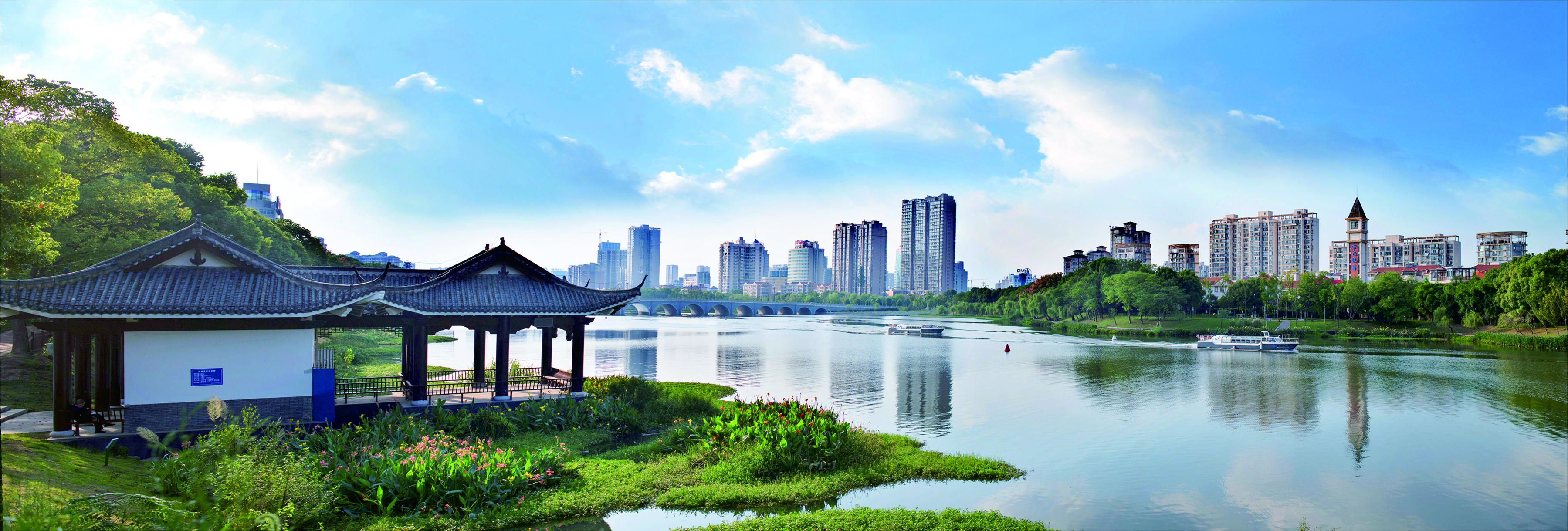
Core Viewpoint - Inner Mongolia has transformed from a region severely affected by desertification to one of the most successful provinces in combating desertification in China, achieving a historic shift from "desert advancing, people retreating" to "green advancing, desert retreating" [1][2]. Group 1: Achievements in Desertification Control - Inner Mongolia has completed 1.23 million acres of the "Three-North" project during the 14th Five-Year Plan, with 6.688 million acres specifically for desertification control [1]. - The region is responsible for 60% of the national comprehensive management tasks for desertified land, with plans to complete 3.06 million acres in 2024 and 2.368 million acres in 2025 [2]. - The Alxa League has constructed a 1,856-kilometer sand control belt, marking a significant achievement in desertification management [3][5]. Group 2: Innovative Techniques and Strategies - Alxa League has implemented grass grid technology to stabilize shifting sands and promote the growth of drought-resistant vegetation, creating a multi-layered protective system [4]. - The region has adopted aerial seeding techniques to enhance afforestation efforts in areas with annual rainfall below 200 mm, achieving significant increases in forest and grassland coverage [6]. - The "308 Locking Edge Forest Belt" project in the Ulan Buh Desert has been developed to prevent sand encroachment, showcasing a collaborative approach to ecological restoration [8][9]. Group 3: Economic and Ecological Benefits - The comprehensive management of the Kubuqi Desert has led to the establishment of a "photovoltaic wall," integrating renewable energy development with desertification control, capable of generating 2,000 billion kilowatt-hours of green electricity annually [11]. - The ecological restoration efforts in the Horqin Sandy Land have resulted in a forest coverage rate of 15.17% and an average grassland coverage of 69.4%, contributing to local economic development [12]. - The introduction of the "grass-light complementary" ecological governance model in Xilingol League has transformed sandy areas into productive ecological economic zones [13]. Group 4: Future Directions and Recommendations - Future strategies for desertification control in Inner Mongolia will focus on integrated protection and systematic governance of mountains, waters, forests, fields, lakes, grasslands, and sands [2]. - The development of a comprehensive monitoring and management system that encompasses all ecological factors is recommended to enhance the effectiveness of desertification control projects [10]. - Emphasis on technological innovation in the sand industry is seen as crucial for merging ecological civilization with industrial development, promoting sustainable economic growth in desert regions [14].