
港股通套利

Search documents
南向游资套利路径隐现:“炒小、炒新、炒妖” 借纳入港股通安全撤退
Di Yi Cai Jing· 2025-11-24 11:37
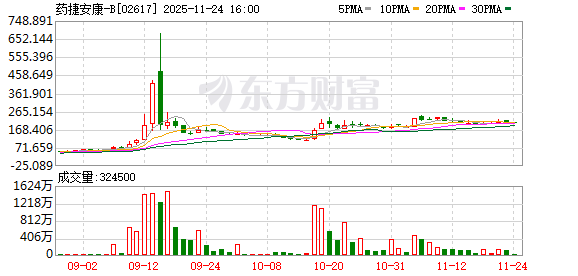
Core Insights - The cumulative net buying scale of southbound funds has surpassed 50 billion HKD, indicating an increasing pricing power in the Hong Kong stock market [2][3] - The market structure is undergoing significant changes, with new risk factors emerging as mainland speculators utilize the southbound trading mechanism for cross-market arbitrage [2][9] Group 1: Southbound Fund Trends - As of November 10, the cumulative net buying of southbound funds has exceeded 50 billion HKD, with a net inflow of 8.571 billion HKD on November 24, bringing the annual net buying total to over 1.37 trillion HKD [3] - The proportion of southbound funds in the total market turnover has steadily increased from 15.6% at the beginning of 2024 to 23.6% by the third quarter of 2025, highlighting the growing influence of mainland capital in the Hong Kong market [3] - By the end of the third quarter, the total market value of southbound funds exceeded 6.3 trillion HKD, accounting for approximately 12.7% of the total market capitalization of Hong Kong stocks [3] Group 2: Investment Behavior and Market Impact - Individual investors in mainland China typically prefer short-term trading, which may influence the trading behavior in the Hong Kong market [6] - Despite concerns about a potential shift towards a more retail-driven market, the majority of southbound funds are still dominated by long-term institutional investors, with insurance funds holding over 1.4 trillion HKD and public funds holding approximately 1.01 trillion HKD [6][7] - The investment style of southbound funds emphasizes fundamentals rather than speculative trading, although short-term speculative activities do occur [8] Group 3: Speculative Trading Patterns - The operational methods of mainland speculators in the Hong Kong market have evolved, forming a complete capital operation chain that includes selecting targets, aggressive trading, and leveraging the southbound trading mechanism [9][10] - For example, the stock "Yaojie Ankang-B" saw a price increase of over 136% before being included in the southbound trading, followed by extreme volatility after its inclusion [10][14] - New stocks entering the southbound trading mechanism, particularly in the pharmaceutical sector, often exhibit significant price fluctuations due to their small float and recent listings [14]

11.11日报
Ge Long Hui· 2025-11-11 13:27
Group 1: Beike's Q3 Performance - Beike reported Q3 revenue of 23.05 billion, a year-on-year increase of 2.07%, with second-hand housing revenue at 6 billion, down 3.6%, new housing business at 6.6 billion, down 14.07%, home decoration and furnishing revenue at 4.3 billion, up 2.4%, and rental income at 5.7 billion, up 45.32%; net profit was 750 million, down 36.1% [1] - Despite the extreme downturn in the real estate market, Beike's revenue growth is seen as a positive sign, with the potential for profit to increase significantly once the real estate sector recovers [1] Group 2: Xiaopeng's Market Performance - Xiaopeng's stock surged due to the successful launch of a robot, being compared to Tesla, with its valuation directly aligned with it; the stock has increased fourfold over the past year, making it the top-performing new energy vehicle stock [1] - However, there is skepticism regarding the actual performance of Xiaopeng's robot, as reliable data to validate its capabilities is still lacking [1] Group 3: Hong Kong Stock Market Trends - Southbound funds through the Hong Kong Stock Connect have exceeded 50 billion HKD, with a net buying amount of over 1.3 trillion this year; the total market capitalization of Hong Kong stocks is approximately 21 trillion, with the Stock Connect accounting for about one-fourth of this, indicating a likely increase in dominance [2] - This trend may lead to the elimination of stocks with absurdly low valuations, presenting a clear arbitrage opportunity [2] Group 4: Precious Metals Market - Gold and silver prices have surged, with gold surpassing 4100; however, the performance of gold and silver stocks has been mixed, showing high openings but low closings, indicating potential downward pressure [2] - Long-term prospects for gold and silver remain positive, with major investment banks bullish on these commodities [2] Group 5: Food Delivery Sector Losses - Goldman Sachs anticipates significant losses in the Q3 food delivery sector, with Alibaba losing 36 billion, Meituan 20 billion, and JD 13 billion; Alibaba's stock has been under pressure ahead of its earnings report [2] - Despite the losses, it is suggested that Alibaba's food delivery service has contributed approximately 3% growth to its e-commerce segment, which could expand further if the right strategies are employed [2] Group 6: Huazhu's Stock Movement - Huazhu has experienced two consecutive trading halts due to potential demolition of its theme park in Shenzhen, which may yield substantial compensation; despite falling property prices, the real estate sector has shown some positive movement recently [3] Group 7: Global Market Outlook - Global stock markets are currently at high levels, with a 60% probability of a Federal Reserve rate cut in December; this could have significant implications for the domestic market, particularly benefiting real estate and dividend stocks if a 25 basis point cut occurs [4]