游戏品牌战略

Search documents
游戏行业的品牌战略:如何让产品从爆款进化为文化符号
3 6 Ke· 2025-12-03 03:33
Core Insights - The gaming industry is experiencing explosive content growth by 2025, making brand recognition a crucial factor for success beyond mere innovation [1][5] - Strong brand strategies create immersive experiences and emotional connections, transforming individual games into cultural phenomena with long-term commercial value [1][10] - Game naming and logo design are essential starting points for brand development, serving as the first touchpoints for players and conveying the game's world and tone [1][12][26] Brand Consistency - Maintaining brand consistency is key for successful game brands, ensuring that every aspect from pre-launch to post-launch aligns with the core game universe [2][29] - A strong brand strategy not only focuses on emotional engagement but also integrates gameplay mechanics, art style, narrative techniques, and character design to create a lasting appeal [9][35] Long-term Brand Operations - The core of long-term brand operations revolves around continuously delivering value centered on player experience and emotional recognition [3][35] - Top-tier game brands extend beyond the games themselves, creating cross-dimensional ecosystems through esports, film, and merchandise, becoming cultural symbols in daily life [4][38] Naming and Logo Design - A compelling game name is not just a label but an invitation that ignites player curiosity and defines the future of the IP [12][21] - Effective naming should consider three core dimensions: alignment with the game world, uniqueness, and the ability to spark curiosity [13][17][19] - A powerful logo serves as the first visual symbol of the brand, accurately conveying the game's world and tone [26][28] Marketing and Community Engagement - Pre-launch marketing should strategically build anticipation, deepening emotional investment from players even before the game is released [30] - Post-launch, brands must shift focus to long-term operations, fostering emotional connections and maintaining engagement through community interaction and social media [32][36] Cultural Integration - Successful game brands integrate into culture and daily life, expanding their reach through esports, film adaptations, and merchandise, thus enhancing emotional ties with players [41][42] - The most successful brands evolve beyond gaming, becoming cultural symbols that reshape the entertainment landscape and continuously attract user engagement [42]

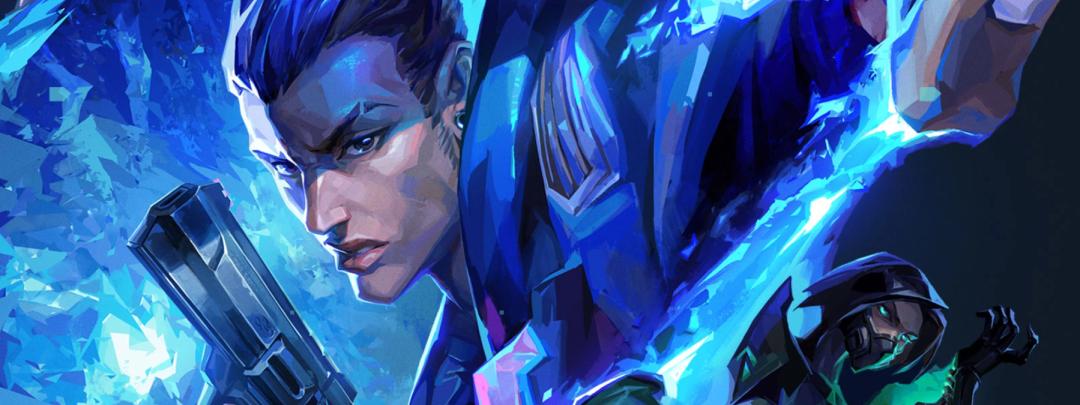
游戏行业的品牌战略:如何让产品从爆款进化为文化符号 | 红杉汇内参
红杉汇· 2025-12-03 00:03
Core Insights - The gaming industry will experience explosive content growth by 2025, making brand recognition a crucial factor for success, surpassing mere innovation [3][4] - Strong brand strategies can create a cohesive gaming universe, supporting sequels, spin-offs, and cultural expansion, transforming individual games into cultural forces with long-term commercial value [3][6] - Game naming and logo design are essential for brand creation, serving as the first touchpoints for players and conveying the game's worldview and tone [3][9] Brand Strategy and Player Experience - A successful game brand is not just an accessory but the core of the gaming experience, creating emotional connections and immersion for players [6][7] - The brand strategy shapes the game's core identity, influencing gameplay mechanics, art style, narrative, and character design, ensuring long-term appeal [7][8] - A powerful brand transcends the game itself, creating a cultural symbol that integrates into daily life through esports, film, and merchandise collaborations [31][32] Naming and Logo Design - A compelling game name serves as an invitation, igniting player curiosity and establishing emotional connections [9][17] - Effective naming should align with the game's universe, be unique and memorable, and spark curiosity [10][12][15] - Logos act as the first visual symbol of the brand, conveying the game's worldview and differentiating characteristics [19][22] Brand Consistency and Marketing - Maintaining brand consistency across all player interactions is vital for creating a lasting cultural impact [24][30] - Pre-launch marketing should strategically build anticipation and deepen emotional investment in the brand [25][26] - Post-launch, brands must focus on long-term engagement, fostering emotional connections and community involvement [27][28] Community and Cultural Integration - Successful brands empower communities, transforming passive audiences into active participants in discussions and experiences [29][30] - Top brands continuously evolve with players, embedding themselves in culture and dialogue [30][31] - The most powerful brands extend beyond gaming, integrating into various cultural dimensions, including esports and media [31][33] Conclusion - Leading game brands have become cultural symbols, reshaping the entertainment landscape and continuously engaging users beyond the gaming experience [35]