游戏饰品投机

Search documents
年轻人的第一次理财爆雷, 不是黄金
3 6 Ke· 2025-10-27 05:25
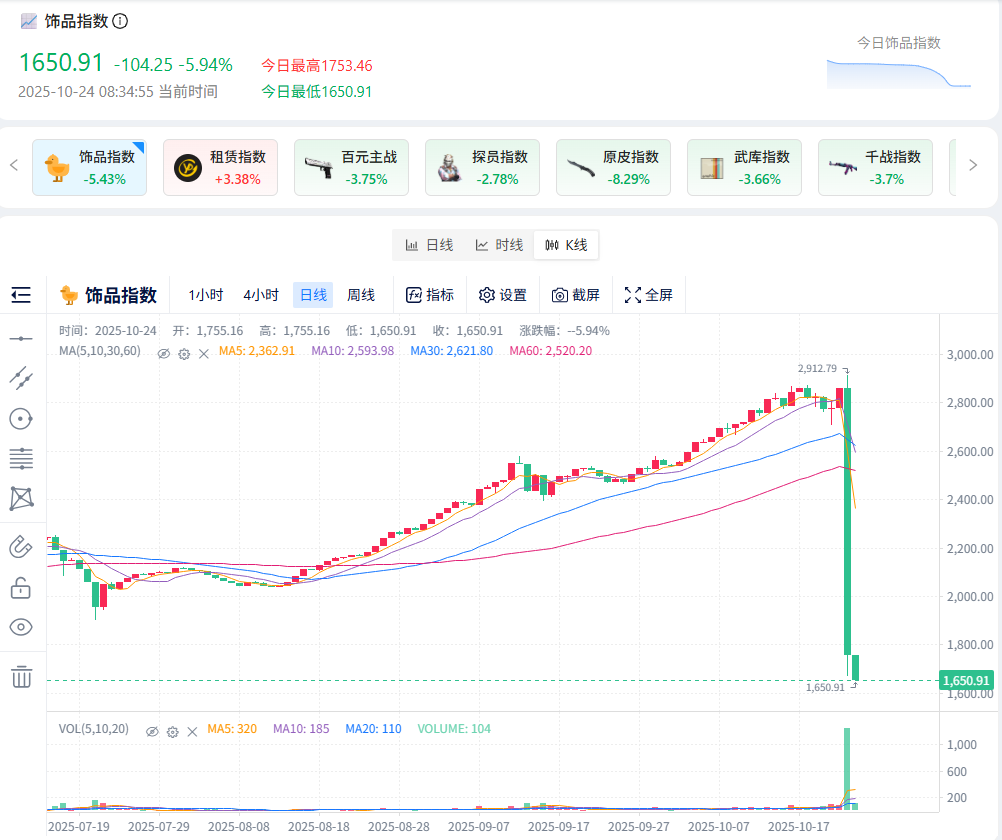
Core Viewpoint - V社's new "trade-in" policy significantly impacts the CS:GO skin market, which has been characterized by speculation and inflated prices for three years, leading to a drastic reduction in the value of high-end items [1][3][5] Market Impact - The introduction of the new policy has disrupted the balance of the in-game item market, allowing players to synthesize rare items from cheaper ones, thus decreasing their scarcity [3][5] - Following the announcement, the price of the butterfly knife plummeted from 40,000 to 10,000, and the sports gloves lost 27,000 in value, with the market index dropping over 40% within two days, reaching a historical low [3][5] Speculation and Financialization - CS:GO skins have evolved from mere cosmetic items to social currency and investment assets, attracting a growing number of speculators who manipulate supply and demand to create artificial scarcity [6][7] - At the peak, nearly 30% of transactions in the market were attributed to professional speculators, who utilized AI for quantitative trading and leveraged financial strategies to treat skins as inflation-resistant assets [7][9] V社's Regulatory Measures - In response to rampant speculation, V社 has implemented several measures, including a T+7 trading restriction and a trading protection mechanism to safeguard players from fraud [11][12] - The company has also introduced new features like the Genesis Box, allowing players to earn items through gameplay without purchasing keys, aiming to stabilize the market [11][12] Player Engagement and Market Dynamics - Despite the volatility, CS:GO maintains a stable player base, with peak concurrent players exceeding 1.8 million in May 2023, and average players fluctuating between 120,000 to 160,000 [12][13] - The game's ecosystem has developed into a complex network involving players, trading platforms, streamers, and speculators, which poses challenges for V社 in maintaining market balance [16][18] Competitive Landscape - V社 faces increasing competition from other games like Riot's Valorant, which has gained significant traction and revenue, prompting V社 to take decisive actions to protect its market position [14][15] - The company's struggle to manage the ecosystem effectively has led to concerns about its ability to regulate and sustain a healthy gaming environment, especially in light of past issues like match-fixing scandals [16][17][18]

仅仅一天,《CS2》玩家们的天塌了
Feng Huang Wang· 2025-10-24 05:44
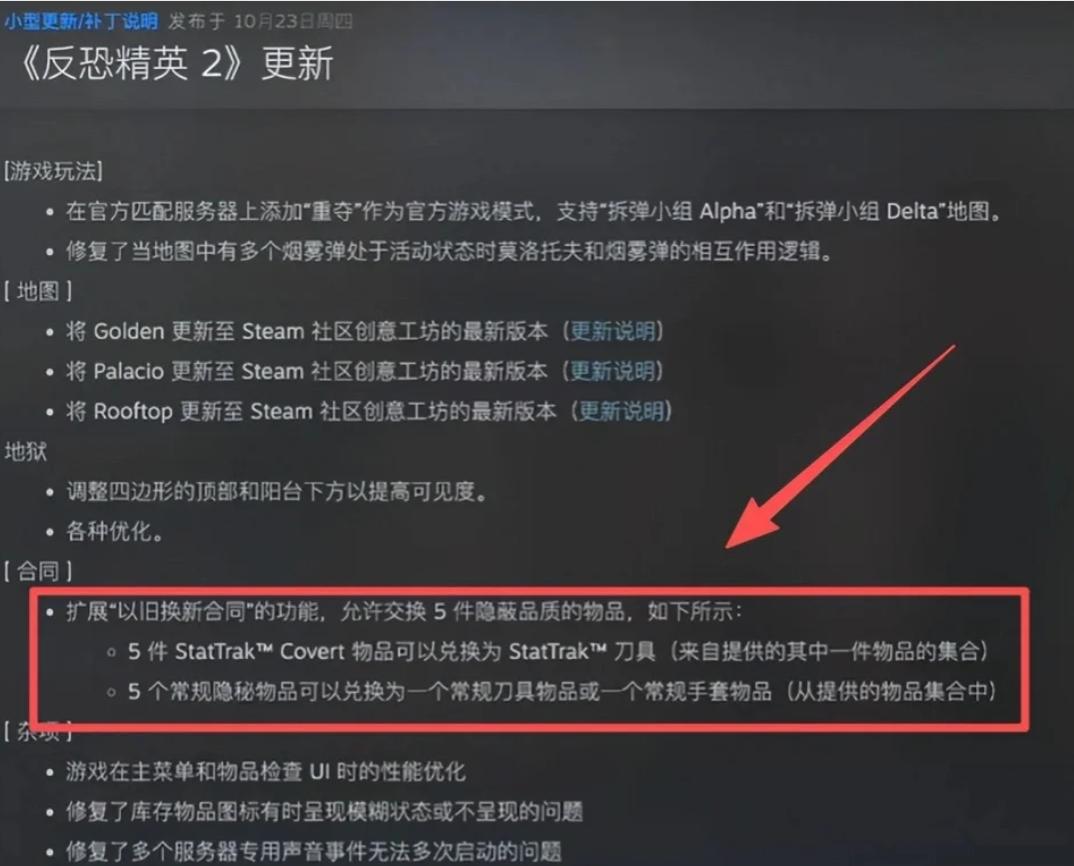
Core Insights - The CS2 in-game item market experienced a significant crash, with total market valuation dropping from $5.9 billion to $4.2 billion, a loss of nearly $2 billion in one day [1] - High-end items saw a collective plunge, with rare items like professional gloves and butterfly knives dropping over 50% in value [1] Market Dynamics - The decline was triggered by Valve's announcement of a major update for CS2, introducing a "trade-in" feature that allows players to exchange five red skins for a gold item, diminishing the rarity of gold items [2] - Previously, gold items could only be obtained through random box openings (with a 0.26% drop rate) or through trading platforms, while red skins are still abundant [2] Speculative Nature - The speculative nature of the CS2 item market has led players to compare it to stock markets, with the recent crash being viewed as a "black swan" event [2] - Valve's implementation of the "trade-in" feature and the "T+14" trading rule has fundamentally reduced the speculative attributes of CS2 items [3] Player Reactions - In response to the market crash, some professional players, such as Spinx from the MOUZ team, expressed panic and sold all their items, citing excessive selling and manipulation [4] Player Base - CS2, developed and published by Valve, has a large player base, with a peak of 1.86 million concurrent players reported this year, and daily active users fluctuating between 600,000 and 1.5 million last year [6]
一日蒸发20亿美元!CS2游戏饰品市场迎剧变
财联社· 2025-10-24 05:32
Core Viewpoint - The article discusses the significant drop in the market valuation of CS2 game items, which fell from $5.9 billion to $4.2 billion in just one day, primarily due to a major update from Valve that altered the scarcity of high-end items [3][5]. Market Valuation and Item Prices - The total market valuation of CS2 game items experienced a dramatic decline of nearly $2 billion in a single day, with high-end items like professional gloves and butterfly knives dropping over 50% in value [3][5]. - The valuation drop reflects a broader trend of volatility in the CS2 item market, which has been compared to stock market fluctuations by players [6]. Update Impact - Valve's introduction of the "old for new contract" feature allowed players to exchange five red skins for a gold item, significantly reducing the rarity of gold items that were previously only obtainable through random box openings or market purchases [5][6]. - The rarity of gold items was previously around 0.26% for acquisition through box openings, making them highly sought after [5]. Speculative Nature of the Market - The speculative nature of the CS2 item market has led to comparisons with stock trading, with the recent crash being labeled a "black swan" event by players [6]. - Valve's trading rules, including a "T+7" system that restricts trading of items for seven days post-acquisition, have been implemented to curb speculation, but the recent changes have further diminished the speculative appeal of CS2 items [6][8]. Player Reactions - The market crash prompted panic selling among players, including professional players like Spinx from the MOUZ team, who expressed their decision to exit the CS2 market entirely due to the extreme volatility [7]. - The article notes that previous speculative events, such as the "black egg" incident, have also contributed to the perception of instability in the market [8]. Player Base and Engagement - CS2, developed by Valve, has a substantial player base, with peak concurrent players reaching 1.86 million and daily active users fluctuating between 600,000 and 1.5 million over the past year [9].