CS2

Search documents
完美世界(002624):《异环》三测反馈优异,正式定档四月公测
CSC SECURITIES (HK) LTD· 2026-03-02 06:54
Investment Rating - The report maintains a "Buy" rating for the company, indicating a potential upside in the stock price [5][7]. Core Insights - The game "异环" (Yihuan) has received excellent feedback from its third test and is scheduled for public release on April 23, 2026, which is expected to significantly boost the company's performance [7]. - The company is projected to achieve a net profit of RMB 7.2-7.6 billion in 2025, marking a turnaround from previous losses, driven by new game releases and operational improvements [7]. - The esports segment is set to benefit from the 2026 DOTA2 International Invitational, which will enhance brand visibility and revenue through related merchandise and increased player engagement [7]. - Cost reduction and efficiency improvements have been implemented, leading to a more streamlined operation and better profit margins [7]. Company Overview - The company operates primarily in the media industry, with a significant focus on gaming, which constitutes 93% of its product portfolio, while film and television production account for 6.28% [4]. - As of February 27, 2026, the company's A-share price was RMB 21.59, with a market capitalization of RMB 39.46 billion [2]. - The company has a total of 1,939.97 million shares outstanding, with major shareholders including Perfect World Holdings Group Limited, holding 22.32% [2]. Financial Performance - The company is expected to see a net profit of RMB 754 million in 2025, with projections of RMB 1.39 billion in 2026 and RMB 1.64 billion in 2027, reflecting significant year-on-year growth [10]. - The earnings per share (EPS) are projected to be RMB 0.39 in 2025, RMB 0.72 in 2026, and RMB 0.84 in 2027, with corresponding price-to-earnings (P/E) ratios of 56, 30, and 26 [9][10]. - The company has shown a strong recovery trajectory, with expected revenue growth from RMB 7.2 billion in 2025 to RMB 10.08 billion in 2026 [10].

完美世界黄小鸥:从大众到巅峰——构建与商业价值共生的电竞金字塔赛事生态
Xin Lang Cai Jing· 2025-12-29 13:44
Core Viewpoint - The future of the esports industry in China relies on building a sustainable ecosystem rather than depending solely on fleeting trends and star players [3][15]. Group 1: Esports Ecosystem Structure - The esports ecosystem is likened to a pyramid, consisting of three levels: the peak (top-tier international events), the body (professional advancement and commercial cycles), and the base (community and grassroots events) [4][16]. - The peak includes world-class events like Major and CAC, which have successfully attracted global attention and set industry standards, with Major being held in Shanghai for the first time, gathering 24 top teams and achieving over 18 billion total views [6][18]. - The body of the pyramid is represented by the Perfect World CS Challenge (PWC), aimed at providing a stable competitive platform for Chinese teams, enhancing their international experience and exposure [8][21]. Group 2: Community Engagement and Talent Development - The base of the pyramid is the Perfect World CS National League (PNL), which includes community, college, and public competitions, significantly increasing participation with over 3,254 college teams and 2,105 public teams in 2025 [10][23]. - PNL has expanded its reach to over 53 cities, promoting esports culture and talent cultivation, ensuring a continuous influx of new players and audiences [11][23]. Group 3: Commercial Partnerships and Value Creation - The esports ecosystem has formed a "sponsor alliance" with major brands like Nvidia, Intel, AGON, and Samsung, focusing on deep cooperation that enhances both technological standards and user experience [12][24]. - This alliance not only provides brand exposure but also fosters a collaborative environment where partners contribute to the growth of the esports ecosystem, proving its commercial viability [12][25]. Group 4: Long-term Vision and Commitment - The commitment to building a sustainable esports ecosystem emphasizes the importance of nurturing talent, creating content, and establishing a brand empowerment system [13][27]. - The ultimate goal is to ensure that the passion for esports is supported, career paths are clear, and top-tier achievements continue to inspire the industry, leading to a high-quality and sustainable future for Chinese esports [27][28].


百亿市场一夜崩盘,00后的“电子黄金”不香了
Sou Hu Cai Jing· 2025-11-12 15:18
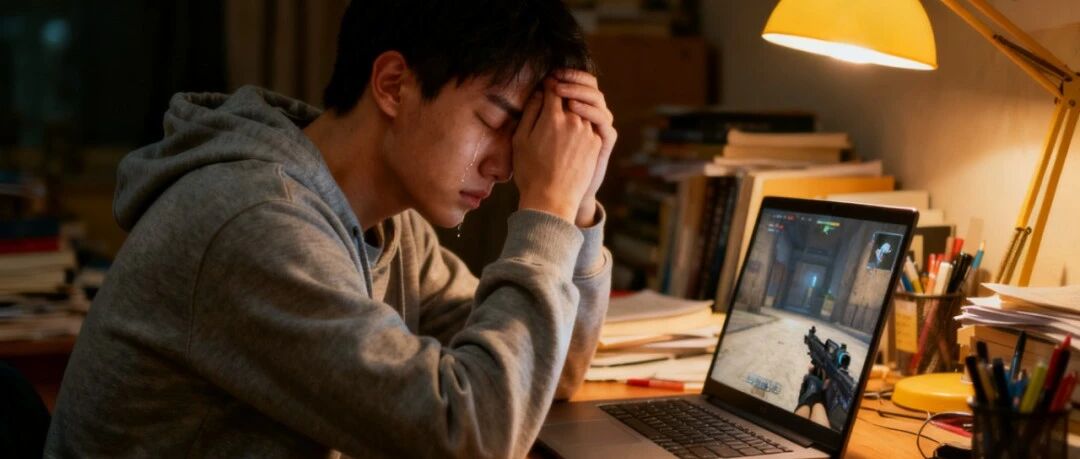
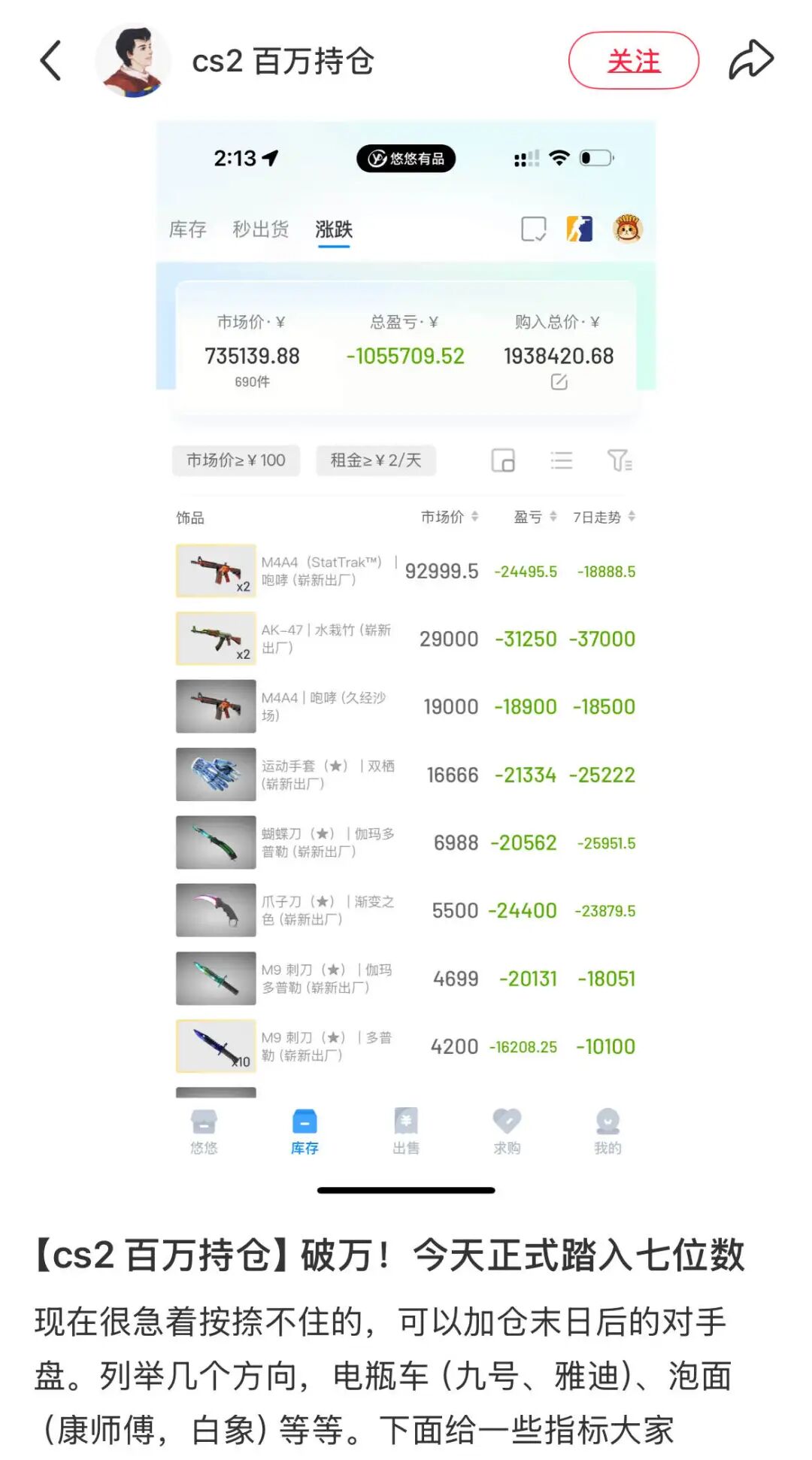
Core Viewpoint - The article discusses the significant drop in the virtual skin trading market for the game CS2, which lost approximately $2 billion (around 142 billion RMB) in a single day due to a new policy by the game's developer, Valve Corporation (V社) [5][28]. Group 1: Market Impact - On October 24, the CS2 skin trading market experienced a dramatic decline, with assets evaporating in just a few hours [5][7]. - Valve's new policy allowed lower-tier skins to be combined into higher-tier skins, drastically reducing the value of previously rare items [10][12]. - The price of popular items, such as the butterfly knife, saw a significant drop, with some players reporting losses of up to 600,000 RMB [14][16]. Group 2: Player Reactions - Many players expressed their frustration on social media, blaming Valve's CEO for the sudden market crash [18][21]. - Professional players and skin traders faced substantial financial losses, while some players viewed the policy change as beneficial for regular gamers [24][28]. Group 3: Economic System Design - Valve's economic system for CS skins has evolved over the years, starting from the introduction of cosmetic items in Team Fortress 2 to a complex trading platform in CS:GO [30][35]. - The market for CS skins became a significant financial derivative platform, with a peak market value exceeding $6 billion (approximately 43 billion RMB) [38]. - The lack of regulation and the speculative nature of the market have led to repeated cycles of boom and bust, similar to traditional financial markets [50][51].

00后的“电子黄金”,一夜蒸发140亿
Sou Hu Cai Jing· 2025-11-07 05:19
Core Viewpoint - The recent collapse of the CS2 virtual skin trading market has resulted in a loss of approximately $2 billion in a single day, affecting many players who treated these skins as investments [3][4][5]. Group 1: Market Dynamics - Valve Corporation (V社), the developer of CS2, announced a game update allowing lower-tier skins to be combined into high-tier skins, drastically reducing the value of previously rare items [5][7][9]. - The price of top-tier skins, such as knives and gloves, has plummeted, with some players reporting losses of up to 600,000 yuan [9][11]. - The skin trading market, which once had a peak valuation of over $6 billion, has seen a significant shift in user demographics from gamers to speculators [25][35]. Group 2: Economic System Design - Valve's economic system for CS skins has been described as more complex than that of many small countries, with a focus on creating a vibrant trading environment [16][22]. - The introduction of a trading platform by Valve allowed for a thriving secondary market, leading to inflation and deflation within the skin economy [16][26]. - The lack of regulation in the skin market has led to repeated cycles of speculation and crashes, similar to historical financial bubbles [27][35]. Group 3: Community Reactions - Many players express frustration towards Valve's new policies, viewing them as detrimental to the skin trading community while others see it as a positive change for regular players [11][15]. - The community has witnessed significant emotional responses, with some players losing substantial amounts of money and others feeling vindicated by the collapse of speculators [11][15][30]. - The recent events have sparked discussions about the sustainability and ethics of virtual item trading as a form of investment [27][35].
00后的「电子黄金」,一夜蒸发140亿
首席商业评论· 2025-11-05 05:08
Core Viewpoint - The article discusses the recent collapse of the virtual skin trading market for the game CS2, which resulted in a loss of approximately $2 billion (around 142 billion RMB) in a single day, affecting many players who treated these skins as investments [9][11][52]. Group 1: Market Collapse - The virtual skin trading market for CS2 experienced a dramatic decline, with a reported loss of $2 billion in just one day [9]. - The decline was triggered by Valve's announcement allowing players to synthesize high-value skins from lower-tier skins, drastically reducing the rarity and value of existing high-end skins [15][18]. - Many players, particularly those who had invested heavily in skins, faced significant financial losses, with some reporting losses of up to 600,000 RMB [23][26]. Group 2: Valve's Strategy - Valve's introduction of a skin synthesis feature is seen as a strategic move to revitalize the official market and increase player engagement by making high-value skins more accessible [56]. - The company has historically designed a complex economic system around its games, which has led to the emergence of a substantial external trading market [39][47]. - Valve's economic model has been criticized for lacking regulation, leading to speculative trading and market volatility, similar to financial markets [68][69]. Group 3: Historical Context - The article traces the origins of the virtual skin market back to Valve's 2007 game "Team Fortress 2," which introduced a trading system that allowed players to buy and sell cosmetic items [40][42]. - The success of this model was further developed in "CS:GO," where skins became a significant part of the game's economy, leading to a market that at one point exceeded $6 billion [52]. - The rise of speculative trading in CS skins began around 2020-2021, with many players treating them as investment assets, akin to cryptocurrencies [48].
00后的“电子黄金”,一夜蒸发140亿
虎嗅APP· 2025-11-03 14:42
Core Viewpoint - The article discusses the recent collapse of the virtual skin trading market for the game CS2, which resulted in significant financial losses for many players, likening it to a stock market crash [8][11][63]. Group 1: Market Collapse - On October 24, the CS2 skin trading market lost $2 billion (approximately 14.2 billion RMB) in just a few hours [8]. - The introduction of a new game update allowed players to synthesize high-value skins from lower-tier ones, drastically reducing the value of previously rare items [14][19]. - Many players, including skin traders and professional players, faced severe financial losses, with some losing up to 600,000 RMB [25][30]. Group 2: Market Dynamics - The skin trading market for CS2 evolved from a gaming feature to a significant financial market, with a peak valuation exceeding $6 billion (approximately 43 billion RMB) [63]. - The market's growth was fueled by speculative trading, with players treating skins as investment assets, similar to cryptocurrencies and NFTs [59][60]. - The lack of regulation and the volatility of the market led to significant risks for investors, as evidenced by the recent crash [85]. Group 3: Company Strategy - Valve Corporation (V社), the developer of CS2, has strategically designed the skin economy to maximize its profits, including implementing a 15% transaction fee on official trades [68]. - The company has shifted its focus from being a game developer to operating more like a financial institution, capitalizing on human psychology and market dynamics [86][87]. - The introduction of new policies is seen as a way to reinvigorate the market for regular players while sidelining speculators who do not engage with the game [69].

20亿美金没了,年轻人又一次被V社搞崩溃
3 6 Ke· 2025-10-28 23:46
Core Insights - The recent update by Valve Corporation (V社) has significantly impacted the virtual item trading market, particularly affecting the prices of rare items like knife skins and gloves in CS2, leading to a market crash for high-value items [2][5][16] - The update allows players to combine five ordinary red-quality weapon skins to create a knife or glove, breaking the monopoly of random box openings for acquiring these rare items, thus increasing their potential supply in the market [3][12] Market Dynamics - The CS2 item market operates on a consensus-driven model where the value of items is primarily derived from their rarity and unique appearance, with the lowest drop rate for rare items being approximately 0.26% [3][6] - The introduction of the new crafting system has disrupted the established market logic, leading to a collapse in the prices of previously high-value items, while simultaneously causing a surge in the prices of the crafting materials (ordinary red-quality skins) [5][12] Community Reactions - Following the update, many players who had invested heavily in high-priced items expressed their frustration and regret, with reports of significant financial losses circulating on social media [5][6] - The update has prompted a shift in player engagement, with more ordinary players participating in the crafting process, aligning with Valve's goal of making the game more accessible [16] Historical Context - The volatility of the CS2 item market has been a recurring theme, with past events like the "Black Egg" incident illustrating the risks associated with speculative trading in virtual items [6][9] - Similar speculative behaviors have been observed in other virtual markets, such as the "Banana" game, where the value of items became detached from their functional use, highlighting the speculative nature of these markets [11][12] Regulatory Implications - Valve's intervention through the crafting update reflects a broader trend of game developers needing to balance market vitality with the control of speculative risks, aiming to return the focus to the gaming experience rather than purely financial speculation [12][16] - The introduction of a trading protection period prior to the update was an attempt to mitigate short-term speculation and promote more rational trading behaviors among players [14][16]
CS2饰品价格崩盘,职业选手选择“清仓”
Hu Xiu· 2025-10-24 06:29
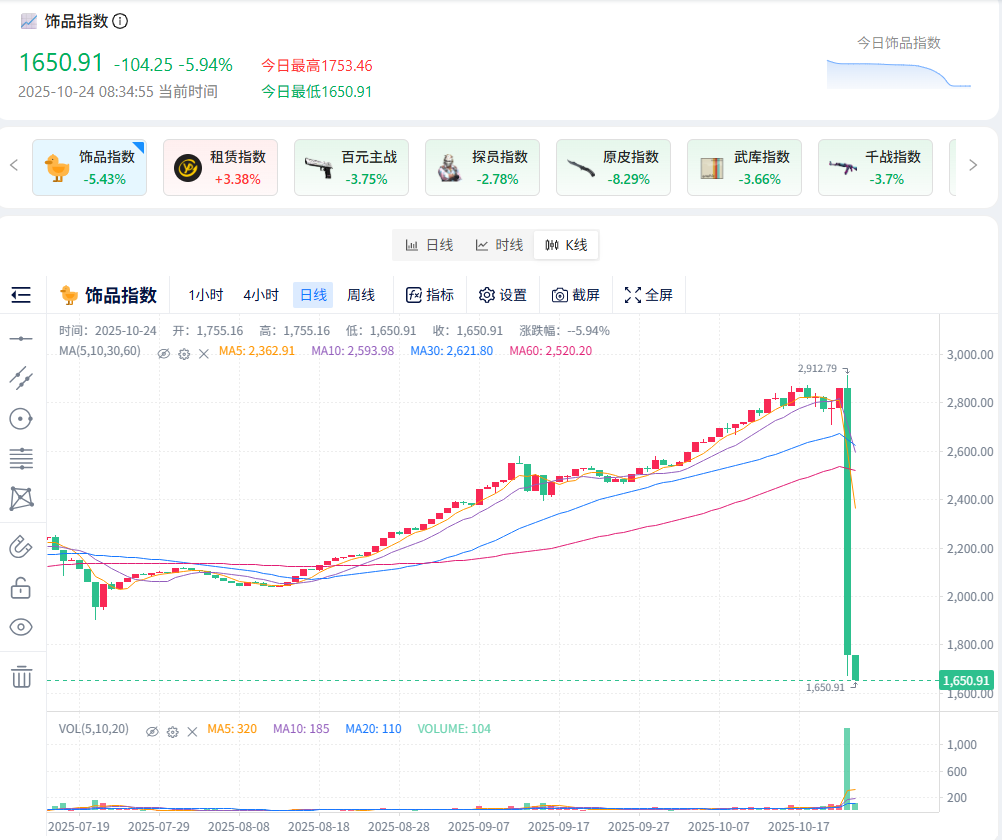
Core Insights - The market for CS2 in-game items experienced a significant crash, with total market valuation dropping from $5.9 billion to $4.2 billion in just one day, resulting in a loss of nearly $2 billion [2] - High-end items saw a collective drop, with rare items like professional gloves and butterfly knives plummeting over 50% in value [2] - The crash was triggered by a major update from Valve, introducing a "trade-in" feature that diminished the scarcity of high-end items, allowing players to exchange five red skins for one gold item [4][5] Market Dynamics - The speculative nature of the CS2 item market has led players to compare it to the stock market, with the recent crash being viewed as a "black swan" event [5] - Valve's implementation of the "trade-in" feature and the "T+7" trading rule, which restricts item trading for seven days post-acquisition, has fundamentally reduced the speculative behavior in the market [5] - Historical context includes the "black egg" incident, where the price of a specific item skyrocketed from ¥19.89 to ¥3,400 before crashing again, highlighting the volatility of the market [5] Player Reactions - Professional players, such as MOUZ team member Spinx, expressed panic and sold all their items, indicating a loss of confidence in the market [4] - The drastic changes in item valuation and trading rules have led to a sense of urgency among players to exit the market [4] Player Base and Engagement - CS2 has a large player base, with peak concurrent players reaching 1.86 million and daily active users fluctuating between 600,000 and 1.5 million [6]
仅仅一天,《CS2》玩家们的天塌了
Feng Huang Wang· 2025-10-24 05:44
Core Insights - The CS2 in-game item market experienced a significant crash, with total market valuation dropping from $5.9 billion to $4.2 billion, a loss of nearly $2 billion in one day [1] - High-end items saw a collective plunge, with rare items like professional gloves and butterfly knives dropping over 50% in value [1] Market Dynamics - The decline was triggered by Valve's announcement of a major update for CS2, introducing a "trade-in" feature that allows players to exchange five red skins for a gold item, diminishing the rarity of gold items [2] - Previously, gold items could only be obtained through random box openings (with a 0.26% drop rate) or through trading platforms, while red skins are still abundant [2] Speculative Nature - The speculative nature of the CS2 item market has led players to compare it to stock markets, with the recent crash being viewed as a "black swan" event [2] - Valve's implementation of the "trade-in" feature and the "T+14" trading rule has fundamentally reduced the speculative attributes of CS2 items [3] Player Reactions - In response to the market crash, some professional players, such as Spinx from the MOUZ team, expressed panic and sold all their items, citing excessive selling and manipulation [4] Player Base - CS2, developed and published by Valve, has a large player base, with a peak of 1.86 million concurrent players reported this year, and daily active users fluctuating between 600,000 and 1.5 million last year [6]
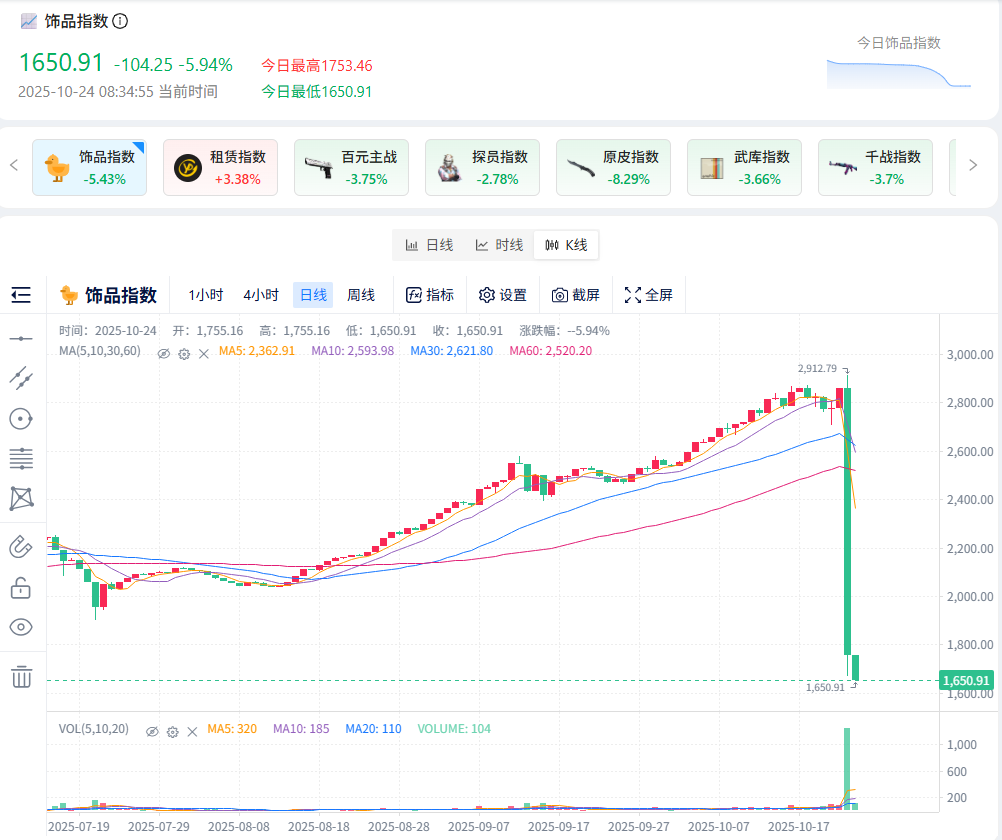
一日蒸发20亿美元!CS2游戏饰品市场迎剧变
财联社· 2025-10-24 05:32
Core Viewpoint - The article discusses the significant drop in the market valuation of CS2 game items, which fell from $5.9 billion to $4.2 billion in just one day, primarily due to a major update from Valve that altered the scarcity of high-end items [3][5]. Market Valuation and Item Prices - The total market valuation of CS2 game items experienced a dramatic decline of nearly $2 billion in a single day, with high-end items like professional gloves and butterfly knives dropping over 50% in value [3][5]. - The valuation drop reflects a broader trend of volatility in the CS2 item market, which has been compared to stock market fluctuations by players [6]. Update Impact - Valve's introduction of the "old for new contract" feature allowed players to exchange five red skins for a gold item, significantly reducing the rarity of gold items that were previously only obtainable through random box openings or market purchases [5][6]. - The rarity of gold items was previously around 0.26% for acquisition through box openings, making them highly sought after [5]. Speculative Nature of the Market - The speculative nature of the CS2 item market has led to comparisons with stock trading, with the recent crash being labeled a "black swan" event by players [6]. - Valve's trading rules, including a "T+7" system that restricts trading of items for seven days post-acquisition, have been implemented to curb speculation, but the recent changes have further diminished the speculative appeal of CS2 items [6][8]. Player Reactions - The market crash prompted panic selling among players, including professional players like Spinx from the MOUZ team, who expressed their decision to exit the CS2 market entirely due to the extreme volatility [7]. - The article notes that previous speculative events, such as the "black egg" incident, have also contributed to the perception of instability in the market [8]. Player Base and Engagement - CS2, developed by Valve, has a substantial player base, with peak concurrent players reaching 1.86 million and daily active users fluctuating between 600,000 and 1.5 million over the past year [9].