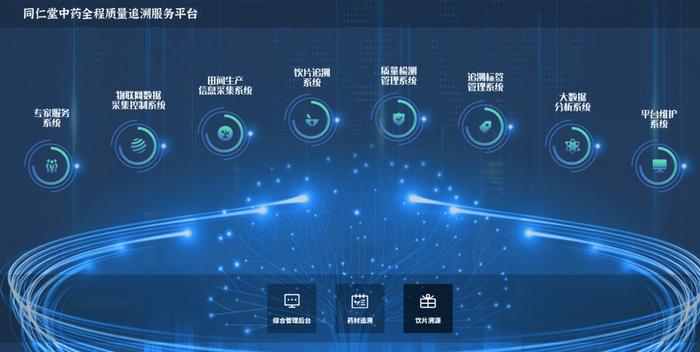
溯源体系

Search documents
深度 | 当职业打假退潮,美妆逃离“索赔博弈”内耗
FBeauty未来迹· 2026-01-22 15:52
Core Viewpoint - The newly revised "Market Supervision and Management Complaint Reporting Handling Measures" aims to enhance the quality and efficiency of complaint handling while balancing consumer rights protection and legitimate business interests, effective from April 15, 2026 [2][17]. Summary by Sections Regulatory Changes - The revised measures introduce six new clauses and modify 22 existing ones, detailing the conditions for accepting complaints, procedural requirements, and related responsibilities [6]. - The changes emphasize the lawful, orderly, and compliant exercise of complaint rights, addressing the need to differentiate between legitimate supervision and misuse of the system [6][8]. Industry Context - In the highly competitive beauty market, external supervision is a critical component of industry operations. However, the distinction between legitimate oversight and exploitative practices has become a focal point for both regulators and the industry [6][8]. - Recent trends show that some professional complaint behaviors have deviated from their original public oversight purpose, evolving into profit-driven operations, particularly evident in the beauty sector [8][10]. Impact of Malpractice - Certain behaviors have shifted from official channels to creating public opinion and exploiting trending topics for profit, leading to reputational damage for brands and a deteriorating business environment [9][12]. - Organized and systematic complaint strategies have emerged, where complaints are no longer individual and sporadic but rather follow hidden, replicable paths [10][13]. Specific Complaint Tactics - Tactics such as "rating kidnapping" and "product fraud" have been identified, where complaints are made based on unverifiable claims, leading to reputational harm and operational strain on businesses [11][12]. - The beauty industry, particularly skincare, is a high-frequency target for professional complaints due to its regulatory complexity and subjective consumer experiences [15][16]. Regulatory Response - The new measures are a response to the increasing number of complaints and aim to clarify what constitutes a legitimate complaint, focusing on the authenticity of the complaint's basis and the identity of the complainant [19][21]. - The measures establish a framework to ensure that complaints are based on genuine consumer relationships and not on other motives, thereby enhancing the integrity of the complaint process [21][23]. Long-term Industry Implications - The revised regulations are expected to provide clearer guidelines for compliant businesses, allowing them to focus on product innovation and quality management rather than defensive compliance [25][26]. - In the long run, the emphasis on traceability and transparency in operations will become a competitive advantage for businesses, fostering trust among consumers and regulators [26][27]. Conclusion - The new regulations do not weaken supervision but rather reinforce its public interest and professional value, aiming to improve the efficiency and trustworthiness of the oversight process [26][27].


同仁堂科技:数智化投入兑现 夯实增长基底
Zheng Quan Ri Bao Zhi Sheng· 2025-08-29 03:40
Core Insights - Tongrentang Technology is leveraging data assets as a core strategic resource and value growth engine, enhancing operational efficiency and quality control through a deep integration of data across the entire value chain from cultivation to terminal sales [1][8] - The company has established a comprehensive traceability system for over 40 traditional Chinese medicine varieties, ensuring quality control and enhancing brand value through transparent data management [2][4] - A national sales data direct connection system has been implemented, allowing real-time aggregation of inventory and sales data from over 600 distributors and 4,000 retail terminals, enabling agile decision-making and market responsiveness [2][4] Data-Driven Decision Making - The sales data system allows for rapid response to market changes, exemplified by a 20% increase in sales of a specific product due to local weather conditions, leading to timely adjustments in inventory and distribution [4][7] - The integration of a production visualization system and SCADA technology has transformed production processes into data-driven operations, significantly improving efficiency and reducing labor costs [7][8] Quality Control and Production Efficiency - The production management dashboard provides real-time monitoring of key production metrics, enhancing the ability to identify and address bottlenecks quickly [5][7] - Post-implementation of the data-driven production system, the company reported a 40% increase in packaging line capacity and a 25% reduction in labor costs, while maintaining high product quality standards [7][8] Future Outlook - Tongrentang Technology plans to continue investing in digital operations, focusing on the integration of AI, predictive maintenance, and IoT technologies to further enhance efficiency and create sustainable long-term value [8]