灵活就业人员保障

Search documents
中央一号文件中的农险:理赔效率、新就业为何被“划重点”?
Xin Lang Cai Jing· 2026-02-04 13:57
Core Viewpoint - The 2026 Central Document emphasizes the importance of agricultural insurance in stabilizing grain production and supporting rural revitalization, highlighting four key tasks and two major support guarantees in the agricultural sector, with a target of maintaining grain production at around 1.4 trillion jin [1][2]. Group 1: Agricultural Insurance Development - Agricultural insurance is described as a crucial financial tool for farmers, acting as a "firewall" and "safety net" to mitigate risks and ensure stable production [2][36]. - From 2007 to 2024, China's agricultural insurance premium income increased from 5.18 billion to 152.1 billion yuan, with risk coverage rising from 112.6 billion to over 5 trillion yuan, and the number of serviced farmers growing from 49.81 million to 147 million [2][37]. - The 2026 Central Document mentions insurance five times, focusing on enhancing policy support, improving claims efficiency, and expanding coverage for new employment forms [4][39]. Group 2: Claims Efficiency - The document's first mention of improving claims efficiency is seen as a critical step towards high-quality development in agricultural insurance, directly impacting farmers' recovery and national food security [8][38]. - Current challenges in claims efficiency include non-standard loss assessment processes, lack of understanding of claims rules among farmers, and delays in information sharing [8][40]. - A national agricultural risk management data system is proposed to address data fragmentation and enhance precision in insurance underwriting and claims [10][40]. Group 3: Support for New Employment Forms - The 2026 Central Document aims to promote participation of flexible employment workers in basic pension insurance and expand occupational injury protection for new employment forms, addressing the significant number of workers lacking adequate coverage [11][41]. - As of the end of 2023, only 30% of flexible employment workers participated in employee medical insurance, highlighting a substantial gap in coverage [11][42]. - Recommendations include lowering contribution rates for flexible employment workers and standardizing participation conditions to enhance coverage [12][42].
骑手里89%是兼职,究竟该如何保障他们?
3 6 Ke· 2025-11-04 10:03
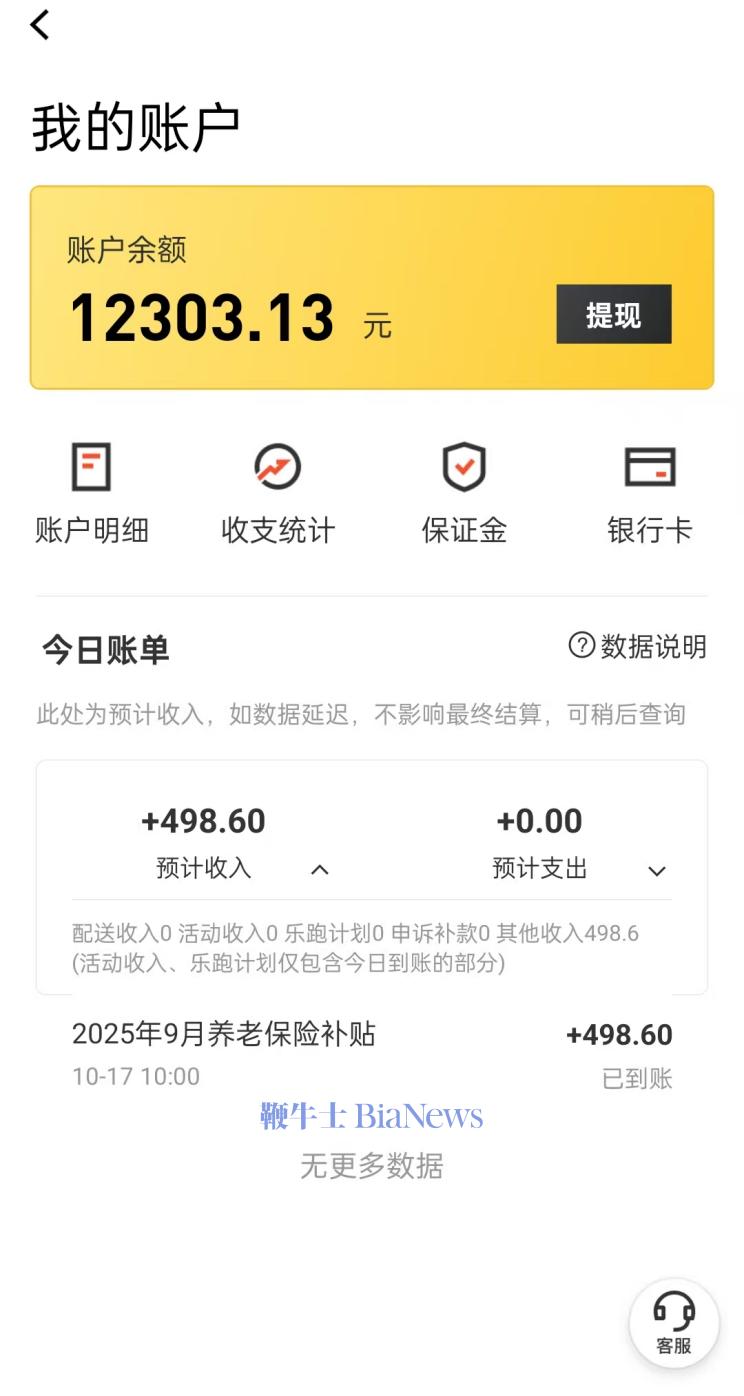
Core Insights - The article discusses the implementation of a pension insurance subsidy policy by Meituan for delivery riders, highlighting its impact on their financial security and work-life balance [2][5][28] - It emphasizes the complex needs and challenges faced by the rider community, particularly regarding social security and employment stability [7][8][12] Group 1: Pension Insurance Subsidy - Meituan's pension insurance subsidy policy provides riders with a monthly subsidy of over 500 yuan, significantly easing their financial burden [2][5] - The policy has been extended nationwide, allowing all types of riders to receive cash subsidies after paying for pension insurance, benefiting millions [5][28] - The subsidy encourages riders to participate in social insurance, transforming it from a financial burden into an affordable safety net [11][30] Group 2: Rider Demographics and Employment Characteristics - As of September 2024, there are 7.45 million riders on Meituan's platform, with 89% working part-time, indicating a highly mobile workforce [6] - Many riders view their job as a transitional phase, leading to a reluctance to commit to long-term social security contributions [7][16] - A significant portion of riders comes from rural areas, complicating their participation in urban social security systems [7][12] Group 3: Challenges in Social Security Participation - Riders face a dilemma between needing immediate cash income and the long-term benefits of social security, leading to resistance against mandatory contributions [7][9] - The traditional binary classification of employment does not adequately address the unique status of delivery riders, who operate in a gray area between dependent and independent labor [11][12] - The high mobility of riders creates challenges in maintaining continuous social security coverage, as many work across multiple platforms [12][13] Group 4: Broader Welfare Needs - Riders express a need for comprehensive protection that goes beyond pension insurance, including coverage for work-related injuries and daily living support [22][24] - Meituan has initiated various welfare programs, such as work injury insurance and meal subsidies, to address the diverse needs of riders [28][30] - The establishment of rider stations offering basic amenities reflects an understanding of the riders' daily challenges and enhances their overall work experience [30][34] Group 5: Future Implications - The article suggests that Meituan's approach to rider welfare could serve as a model for other flexible employment sectors, addressing the broader issue of social security for gig workers [33][34] - The ongoing development of a multi-layered welfare system aims to provide a safety net for a wide range of flexible workers, not just delivery riders [34][35] - The anticipated "social security year" for riders in 2025 marks a significant step in the evolution of labor rights for flexible employment groups [35]