普惠式保障路径

Search documents
骑手里89%是兼职,究竟该如何保障他们?
3 6 Ke· 2025-11-04 10:03
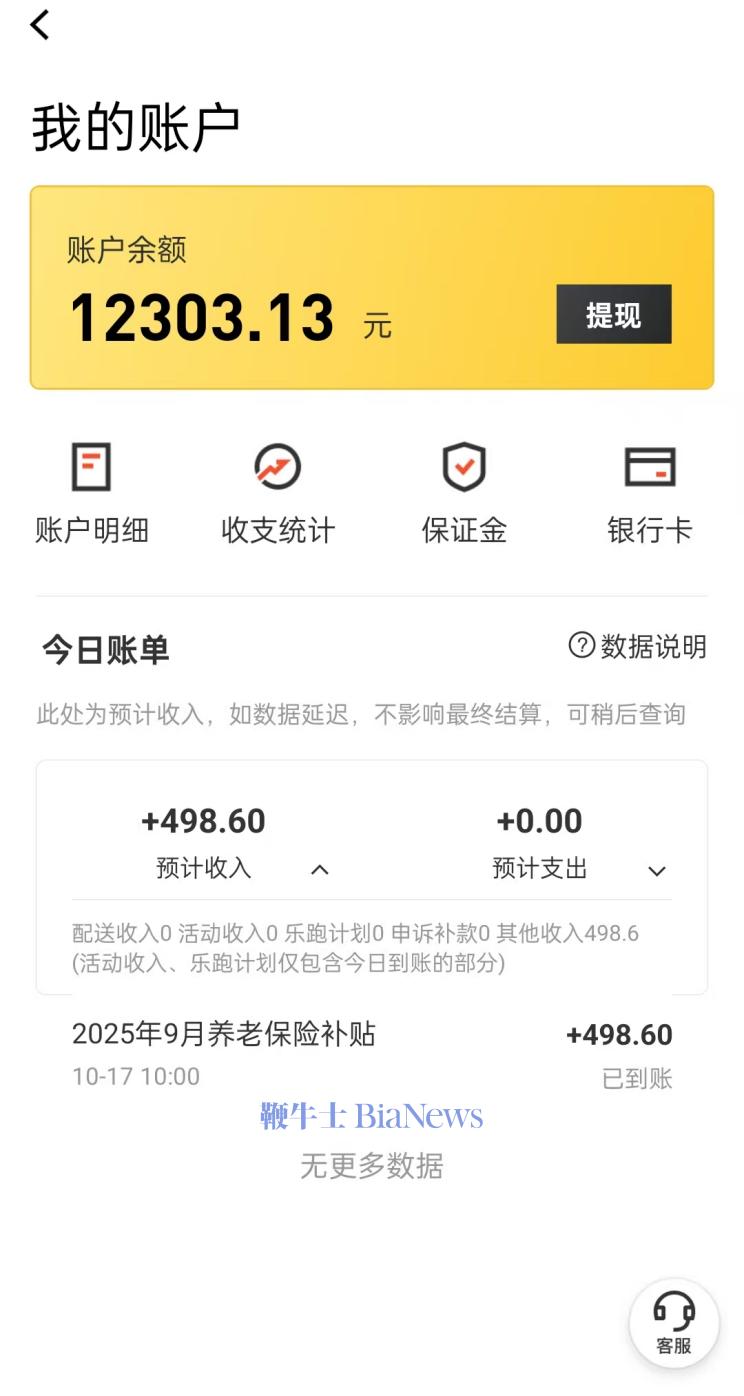
Core Insights - The article discusses the implementation of a pension insurance subsidy policy by Meituan for delivery riders, highlighting its impact on their financial security and work-life balance [2][5][28] - It emphasizes the complex needs and challenges faced by the rider community, particularly regarding social security and employment stability [7][8][12] Group 1: Pension Insurance Subsidy - Meituan's pension insurance subsidy policy provides riders with a monthly subsidy of over 500 yuan, significantly easing their financial burden [2][5] - The policy has been extended nationwide, allowing all types of riders to receive cash subsidies after paying for pension insurance, benefiting millions [5][28] - The subsidy encourages riders to participate in social insurance, transforming it from a financial burden into an affordable safety net [11][30] Group 2: Rider Demographics and Employment Characteristics - As of September 2024, there are 7.45 million riders on Meituan's platform, with 89% working part-time, indicating a highly mobile workforce [6] - Many riders view their job as a transitional phase, leading to a reluctance to commit to long-term social security contributions [7][16] - A significant portion of riders comes from rural areas, complicating their participation in urban social security systems [7][12] Group 3: Challenges in Social Security Participation - Riders face a dilemma between needing immediate cash income and the long-term benefits of social security, leading to resistance against mandatory contributions [7][9] - The traditional binary classification of employment does not adequately address the unique status of delivery riders, who operate in a gray area between dependent and independent labor [11][12] - The high mobility of riders creates challenges in maintaining continuous social security coverage, as many work across multiple platforms [12][13] Group 4: Broader Welfare Needs - Riders express a need for comprehensive protection that goes beyond pension insurance, including coverage for work-related injuries and daily living support [22][24] - Meituan has initiated various welfare programs, such as work injury insurance and meal subsidies, to address the diverse needs of riders [28][30] - The establishment of rider stations offering basic amenities reflects an understanding of the riders' daily challenges and enhances their overall work experience [30][34] Group 5: Future Implications - The article suggests that Meituan's approach to rider welfare could serve as a model for other flexible employment sectors, addressing the broader issue of social security for gig workers [33][34] - The ongoing development of a multi-layered welfare system aims to provide a safety net for a wide range of flexible workers, not just delivery riders [34][35] - The anticipated "social security year" for riders in 2025 marks a significant step in the evolution of labor rights for flexible employment groups [35]


骑手里89%是兼职,究竟该如何保障他们?
36氪· 2025-11-04 09:48
Core Viewpoint - The article discusses the implementation of a flexible pension insurance subsidy policy by Meituan for delivery riders, highlighting its significance in addressing the complex needs of this workforce and promoting broader social security coverage [4][6][30]. Group 1: Policy Implementation and Impact - Meituan's pension insurance subsidy policy provides riders with a monthly subsidy of 500 yuan, significantly easing their financial burdens [4][6]. - As of November, the subsidy will be available to all types of riders nationwide, covering millions and integrating them into a social security system [6][30]. - The policy aims to address the high mobility and diverse employment situations of riders, many of whom are part-time and have varying work histories [7][8]. Group 2: Challenges in Social Security Adoption - Many riders are reluctant to participate in traditional social security systems due to their transient employment status and the financial burden of contributions [10][12]. - The existing labor laws create a dichotomy that does not adequately address the unique status of delivery riders, who often operate in a gray area between employee and independent contractor [11][12]. - Riders often prefer flexible, low-barrier insurance options that align with their short-term employment plans, rather than being forced into rigid social security schemes [16][18]. Group 3: Broader Welfare Needs - Beyond pension insurance, riders express a need for comprehensive coverage that includes occupational injury insurance and support for unexpected health issues [23][30]. - Meituan has initiated various welfare programs, including a dedicated injury insurance scheme and meal subsidies, to address the daily challenges faced by riders [30][36]. - The article emphasizes the importance of a multi-layered welfare system that can adapt to the diverse needs of riders, ensuring both immediate and long-term support [26][36]. Group 4: Future Directions - The article suggests that Meituan's approach could serve as a model for extending similar benefits to other flexible employment groups, such as ride-hailing drivers and cleaners, who also lack adequate social security [35][36]. - The ongoing development of these welfare systems is seen as a crucial step towards establishing a more inclusive social security framework for the growing gig economy [37].