熊猫外交

Search documents
中日友好“功臣”大熊猫在日本的54年
日经中文网· 2026-01-27 08:00
Core Viewpoint - The last two giant pandas in Japan, "Xiaoxiao" and "Leilei," will be returned to China in late January, marking the first time in nearly half a century that Japan will have no giant pandas, which have been a symbol of Sino-Japanese friendship since the 1970s [2][6]. Group 1: Panda Diplomacy History - The first giant pandas used for diplomacy by China were gifted to the United States in 1941 by Soong Mei-ling, the wife of Chiang Kai-shek, to garner support during the Second Sino-Japanese War [4]. - After the establishment of the People's Republic of China in 1949, the practice of "panda diplomacy" continued, with pandas being sent to various countries as symbols of goodwill [5]. - The first pair of pandas sent to Japan, "Kangkang" and "Lanlan," arrived in 1972 as a gesture to commemorate the normalization of diplomatic relations between China and Japan [6]. Group 2: Current Panda Situation in Japan - The two pandas, "Xiaoxiao" and "Leilei," were born in 2021 and are the offspring of pandas rented from China [7]. - Japan has sought to continue renting pandas from China, but the prospects remain uncertain due to the current state of Sino-Japanese relations [10][12]. - The last pandas in Japan will be returned to China, and there are no current plans for new pandas to be sent back to Japan, reflecting the strained diplomatic ties [10][12]. Group 3: Comparison with Other Countries - In contrast to Japan, China has recently signed an agreement with France to extend panda cooperation, indicating a more favorable diplomatic relationship [14]. - The situation with France includes plans to rent new pandas after returning the current ones, showcasing a different approach to panda diplomacy compared to Japan [14].


“想跟它们说‘谢谢,再见’”日本民众惜别大熊猫“晓晓”和“蕾蕾”
Huan Qiu Shi Bao· 2026-01-25 22:40
Core Viewpoint - The departure of giant pandas "Xiaoxiao" and "Leilei" from Ueno Zoo in Japan marks a significant moment, as it will be the first time since 1972 that Japan will not have any giant pandas, reflecting the deterioration of Sino-Japanese relations [3][4]. Group 1: Public Sentiment and Attendance - On January 25, the last day for public viewing of the pandas, approximately 4,400 lucky visitors were allowed to attend, with over 310,000 people participating in the lottery for tickets from January 14 to 25, resulting in a ratio of 24.6 applicants for each ticket on the final day [1][3]. - Many fans and families queued early to bid farewell to the pandas, highlighting the emotional connection and nostalgia associated with the animals, particularly among families who have shared experiences across generations [3]. Group 2: Panda Diplomacy and Future Implications - The return of the pandas is seen as a loss for Japan, as it may diminish public interest in giant pandas, which is not favorable for China, given the significance of "panda diplomacy" in showcasing China's commitment to biodiversity and international cooperation [4]. - The pandas "Xiaoxiao" and "Leilei" were born in 2021 and have been a symbol of hope during the pandemic, with their names representing a bright future and blossoming flowers, which resonates with the public sentiment [4]. - According to the Chinese Foreign Ministry, the pandas are scheduled to return to China by February 2026, indicating a lack of motivation for China to extend the rental agreement amid strained diplomatic relations [4].
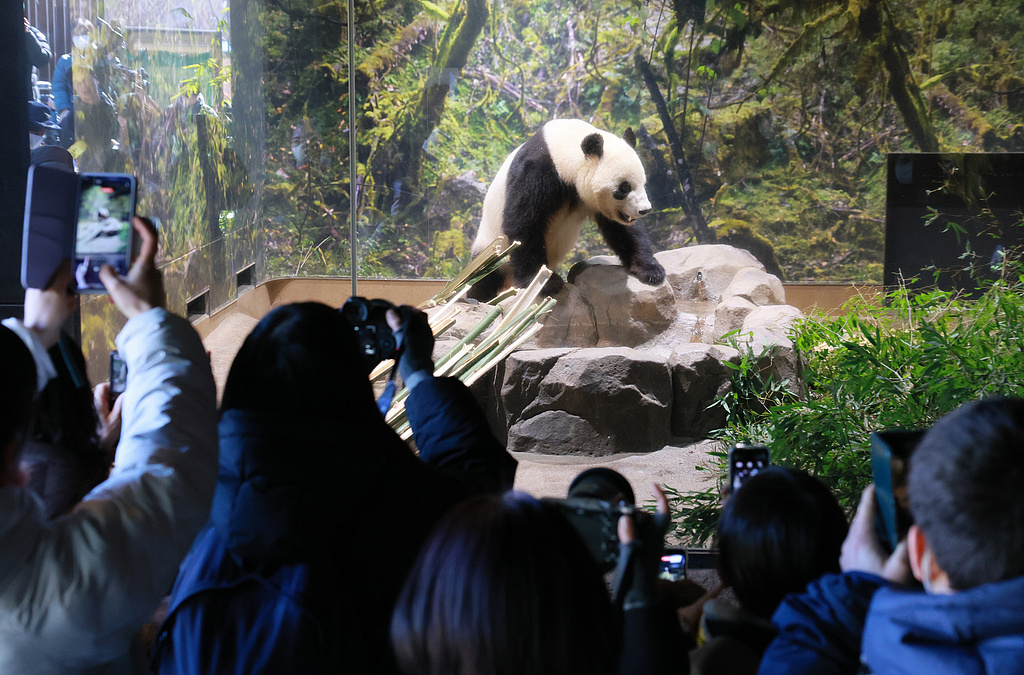
排队5小时只为相见1分钟,当最后两只大熊猫离开日本
Xin Jing Bao· 2026-01-19 00:17
Core Viewpoint - The impending return of giant pandas "Xiaoxiao" and "Leilei" to China in January 2026 marks a significant emotional moment for Japanese panda enthusiasts, as it will leave Japan without any giant pandas for the first time since 1972, impacting both cultural and economic aspects of society [13][14]. Group 1: Panda Enthusiasts and Cultural Impact - The emotional connection between Japanese citizens and giant pandas has been cultivated over decades, with many families sharing experiences of visiting pandas across generations [14]. - High-quality photography and documentation of pandas by enthusiasts like Takashi Takahashi reflect the deep affection and familial bond felt towards these animals [1][4]. - The departure of "Xiaoxiao" and "Leilei" is seen as a collective loss for the Japanese public, highlighting the cultural significance of pandas as symbols of friendship between China and Japan [10][14]. Group 2: Economic Implications - The presence of giant pandas has generated substantial economic benefits, with estimates suggesting that "Xiaoxiao" and "Leilei" contribute over 30 billion yen (approximately 1.5 billion RMB) annually to the local economy through tourism and related merchandise [14]. - The anticipated absence of pandas is expected to lead to a decline in visitor numbers and economic activity in areas surrounding Ueno Zoo, which has relied on "panda economy" for revenue [14]. Group 3: Panda Diplomacy and Future Prospects - The history of panda diplomacy between China and Japan dates back to 1972, establishing pandas as enduring symbols of bilateral relations [8][10]. - Current political tensions may hinder the possibility of renewing panda rental agreements, as mutual trust and cooperation are essential for future exchanges [15]. - Experts suggest that Japan must address political issues to restore the potential for panda exchanges, emphasizing the importance of pandas in fostering goodwill between the two nations [15].
最后两只大熊猫要走 日本民众难言再见
Xin Lang Cai Jing· 2026-01-18 17:25
Core Viewpoint - The impending return of giant pandas "Xiaoxiao" and "Leilei" to China in January 2026 marks the end of a significant era for Japan, which will be left without any giant pandas for the first time since 1972, impacting both emotional connections and economic benefits associated with these animals [14][15][16]. Group 1: Emotional Impact - Many Japanese citizens express deep sadness as the departure of "Xiaoxiao" and "Leilei" approaches, reflecting a collective sense of loss and nostalgia for the memories associated with these pandas [2][15]. - The pandas have become a symbol of friendship between China and Japan, with their presence fostering emotional ties across generations in Japanese families [11][15]. - High-profile panda enthusiasts, such as Takahiro Takashi, have dedicated years to photographing and documenting the pandas, viewing them as family members [1][3]. Group 2: Economic Impact - The departure of "Xiaoxiao" and "Leilei" is expected to result in significant economic losses for the Ueno Zoo and the surrounding area, as the "panda economy" has been a major driver of local consumption, generating over 30 billion yen (approximately 1.5 billion RMB) annually [15][16]. - The increase in visitors to the zoo has been notable, with wait times reaching up to five hours as people flock to see the pandas before their departure [2][7]. Group 3: Panda Diplomacy and Future Prospects - The history of giant pandas in Japan dates back to 1972, when the first pair was gifted by China, establishing a long-standing diplomatic relationship [9][14]. - Current political tensions between China and Japan may hinder the possibility of future panda loans, as mutual trust and cooperation are essential for such agreements [16]. - The loss of giant pandas will also mean a reduction in opportunities for scientific research and conservation collaboration between Japan and China [15][16].
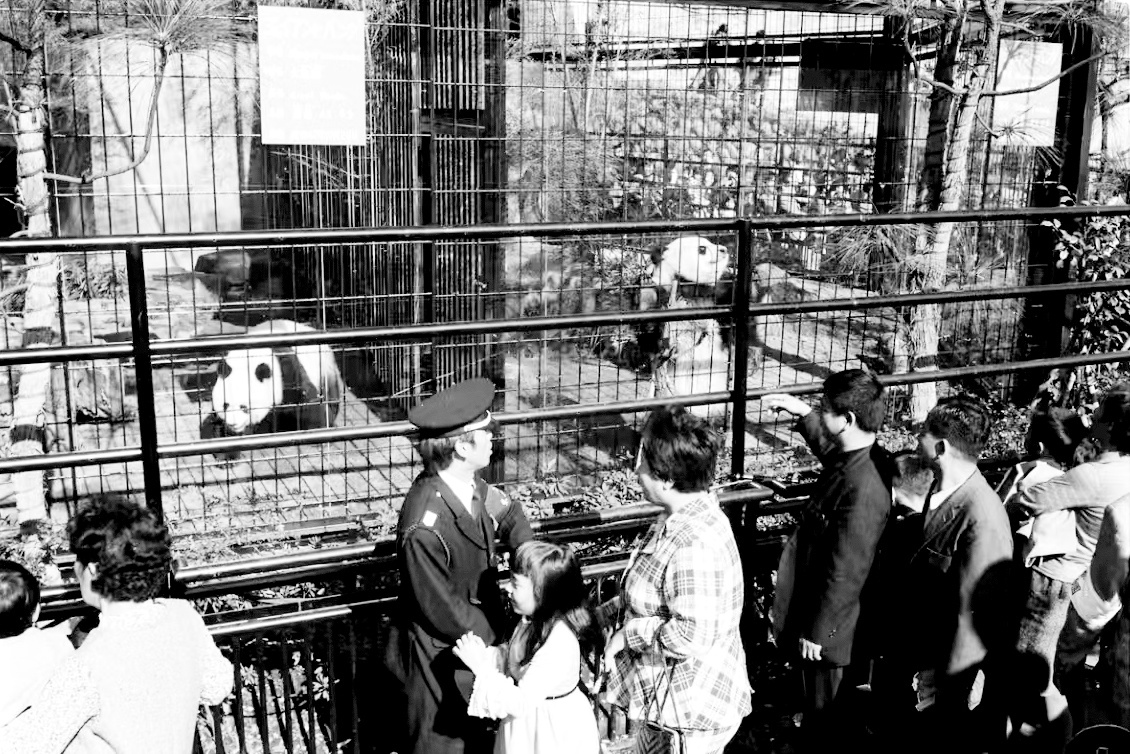
【史海回眸】1972年,“康康”“兰兰”掀起日本首次“熊猫热”
Huan Qiu Shi Bao· 2025-07-03 23:07
Core Viewpoint - The return of giant pandas from Japan to China symbolizes the deep emotional connection between the Japanese public and these animals, which have long been seen as a symbol of Sino-Japanese friendship [1][8]. Group 1: Historical Context - The first pair of giant pandas, "Kangkang" and "Lanlan," were sent to Japan in 1972 as a gesture of goodwill following the normalization of diplomatic relations between China and Japan [6][8]. - The pandas' arrival was marked by significant media attention and public enthusiasm, with nearly 60,000 visitors on the first day of their exhibition at Ueno Zoo [3]. Group 2: Economic Impact - The presence of giant pandas in Japan has had a substantial positive economic impact, generating over 125 billion yen for the local economy in Wakayama Prefecture alone since the arrival of the male panda "Eimei" in 1994 [7]. - The "panda craze" led to a surge in panda-themed merchandise and media, contributing to a cultural phenomenon that has persisted for over 50 years [7][9]. Group 3: Diplomatic Significance - The gifting of pandas has been a significant aspect of "panda diplomacy," enhancing public interest and goodwill towards China in Japan, as evidenced by a 1977 survey showing increased affection for China among the Japanese public [8]. - The return of the pandas in 2023 continues to evoke strong feelings among the Japanese, highlighting the enduring legacy of this diplomatic gesture [1][9].