熊猫经济

Search documents
创三项世界纪录的“晴晴”明天过生日啦,“熊猫团队”带火扬州世博园,快来打卡哦
Xin Lang Cai Jing· 2026-02-22 06:37
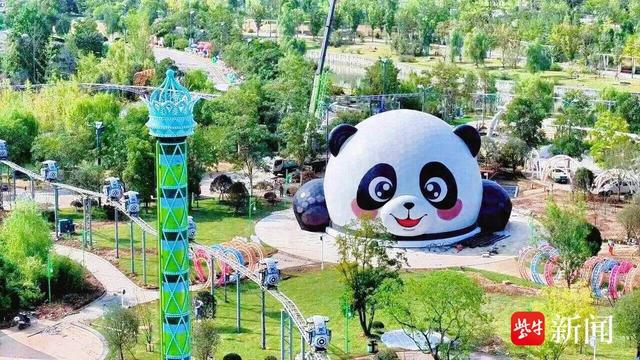
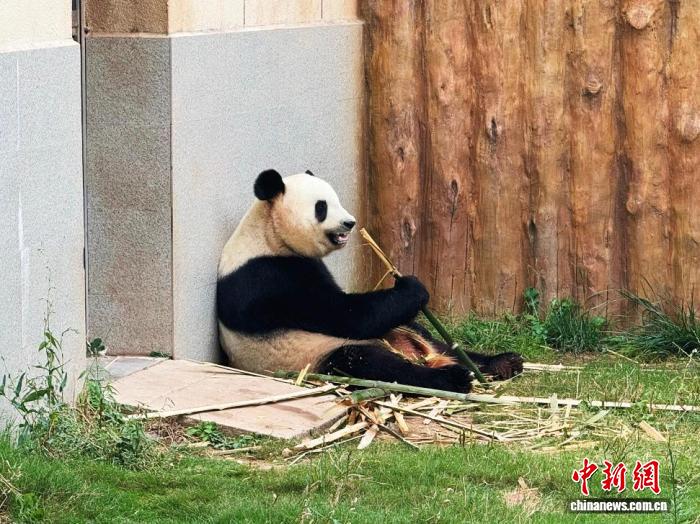
Core Viewpoint - The Yangzhou Expo Park is hosting a birthday party for its star giant panda "Qingqing" on February 23, themed "Nezha Celebrates the New Year, Qingqing Moves All Directions," inviting citizens and tourists to join the festivities [1]. Group 1: Panda's Background and Significance - Qingqing, born in 2007, is a female giant panda known for setting three world records: the longest pregnancy at 324 days, being born in spring, and having the oldest mother at first birth [3]. - Qingqing is characterized by her lively personality and interaction with visitors, earning her the nickname "Nezha" [3]. - At 19 years old, Qingqing is equivalent to approximately 50 years in human age, and her favorite activities include eating and sleeping [3]. Group 2: Birthday Celebration Details - To celebrate Qingqing's birthday, caretakers prepared a special feast featuring bamboo shoots, fresh fruits, sugarcane, and carrots [5]. - The event will include a meet-and-greet with Qingqing and a fan co-creation display area showcasing artwork created by visitors [5]. Group 3: Panda Park and Economic Impact - Six giant pandas, including Qingqing, will be featured at the event, attracting significant tourist attention [7]. - The pandas, weighing between 110 kg and 120 kg, consume 15 kg to 20 kg of bamboo daily, primarily sourced from Zhejiang, along with apples and carrots to ensure balanced nutrition [7]. - The Yangzhou Expo Park's Panda Paradise opened last year, leveraging the ecological foundation to create an immersive environment for family visitors [7]. - The "Panda Economy" is being developed in the Zhaolin Bay area, with various panda-themed elements integrated into the tourism experience, showcasing its potential for generating new traffic [7][8]. Group 4: Future Development Plans - The Zhaolin Bay tourism area aims to enhance its offerings and is focused on becoming a national-level tourist destination and high-quality outdoor sports location by 2026 [8]. - The area is committed to integrating agriculture, culture, sports, commerce, health, and tourism for comprehensive development [8].

1972年以来首次,日本大熊猫“归零”
Zhong Guo Xin Wen Wang· 2026-01-27 00:43
Core Viewpoint - The return of the giant pandas "Xiaoxiao" and "Leilei" to China marks the first time since 1972 that Japan will have zero giant pandas, which have been a significant cultural and economic symbol for the country [7]. Group 1: Panda Return and Public Sentiment - "Xiaoxiao" and "Leilei" are set to return to China, with their last public appearance on January 25, 2023, drawing large crowds of emotional fans [2][5]. - The return of the pandas is a significant event, as they have been a beloved attraction at Ueno Zoo, with many visitors expressing their sadness and gratitude for the joy the pandas brought [5][7]. - The pandas' return is part of a broader agreement, with their return date moved up to February 2026, and it follows the earlier return of their sister "Xiangxiang" in February 2023 [7]. Group 2: Economic Impact - The two pandas are estimated to generate an economic benefit of approximately 30.8 billion yen annually for Japan, which will diminish following their departure [9]. - The presence of giant pandas in Japan has not only provided economic value but also significant emotional comfort to the public, indicating a loss that extends beyond financial metrics [9].
排队5小时只为相见1分钟,当最后两只大熊猫离开日本
Xin Jing Bao· 2026-01-19 00:17
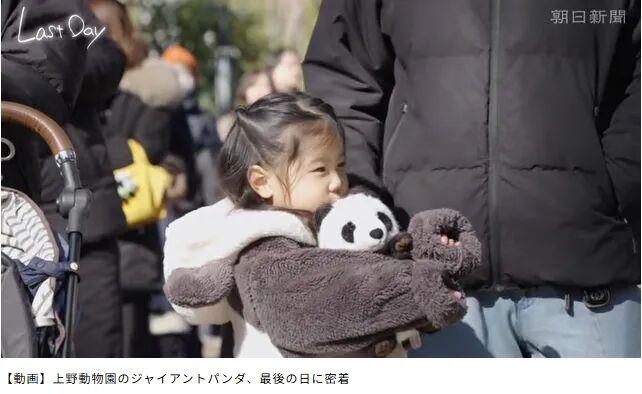
Core Viewpoint - The impending return of giant pandas "Xiaoxiao" and "Leilei" to China in January 2026 marks a significant emotional moment for Japanese panda enthusiasts, as it will leave Japan without any giant pandas for the first time since 1972, impacting both cultural and economic aspects of society [13][14]. Group 1: Panda Enthusiasts and Cultural Impact - The emotional connection between Japanese citizens and giant pandas has been cultivated over decades, with many families sharing experiences of visiting pandas across generations [14]. - High-quality photography and documentation of pandas by enthusiasts like Takashi Takahashi reflect the deep affection and familial bond felt towards these animals [1][4]. - The departure of "Xiaoxiao" and "Leilei" is seen as a collective loss for the Japanese public, highlighting the cultural significance of pandas as symbols of friendship between China and Japan [10][14]. Group 2: Economic Implications - The presence of giant pandas has generated substantial economic benefits, with estimates suggesting that "Xiaoxiao" and "Leilei" contribute over 30 billion yen (approximately 1.5 billion RMB) annually to the local economy through tourism and related merchandise [14]. - The anticipated absence of pandas is expected to lead to a decline in visitor numbers and economic activity in areas surrounding Ueno Zoo, which has relied on "panda economy" for revenue [14]. Group 3: Panda Diplomacy and Future Prospects - The history of panda diplomacy between China and Japan dates back to 1972, establishing pandas as enduring symbols of bilateral relations [8][10]. - Current political tensions may hinder the possibility of renewing panda rental agreements, as mutual trust and cooperation are essential for future exchanges [15]. - Experts suggest that Japan must address political issues to restore the potential for panda exchanges, emphasizing the importance of pandas in fostering goodwill between the two nations [15].
最后两只大熊猫要走 日本民众难言再见
Xin Lang Cai Jing· 2026-01-18 17:25
Core Viewpoint - The impending return of giant pandas "Xiaoxiao" and "Leilei" to China in January 2026 marks the end of a significant era for Japan, which will be left without any giant pandas for the first time since 1972, impacting both emotional connections and economic benefits associated with these animals [14][15][16]. Group 1: Emotional Impact - Many Japanese citizens express deep sadness as the departure of "Xiaoxiao" and "Leilei" approaches, reflecting a collective sense of loss and nostalgia for the memories associated with these pandas [2][15]. - The pandas have become a symbol of friendship between China and Japan, with their presence fostering emotional ties across generations in Japanese families [11][15]. - High-profile panda enthusiasts, such as Takahiro Takashi, have dedicated years to photographing and documenting the pandas, viewing them as family members [1][3]. Group 2: Economic Impact - The departure of "Xiaoxiao" and "Leilei" is expected to result in significant economic losses for the Ueno Zoo and the surrounding area, as the "panda economy" has been a major driver of local consumption, generating over 30 billion yen (approximately 1.5 billion RMB) annually [15][16]. - The increase in visitors to the zoo has been notable, with wait times reaching up to five hours as people flock to see the pandas before their departure [2][7]. Group 3: Panda Diplomacy and Future Prospects - The history of giant pandas in Japan dates back to 1972, when the first pair was gifted by China, establishing a long-standing diplomatic relationship [9][14]. - Current political tensions between China and Japan may hinder the possibility of future panda loans, as mutual trust and cooperation are essential for such agreements [16]. - The loss of giant pandas will also mean a reduction in opportunities for scientific research and conservation collaboration between Japan and China [15][16].
(走进中国乡村)清凉秦岭藏商机 “熊猫经济”激活山水价值
Zhong Guo Xin Wen Wang· 2025-08-10 07:23
Core Viewpoint - The article highlights the economic potential of Foping County, Shaanxi Province, driven by the "Panda Economy" and "Cool Economy," leveraging its rich ecological resources and tourism opportunities. Group 1: Panda Economy - Foping County is home to over 130 wild giant pandas, making "panda encounters" a common experience for visitors [2] - The local tourism industry is thriving, with attractions like the Qinling Giant Panda Rescue and Breeding Research Base drawing large crowds [2] - The presence of pandas has inspired creative content, with visitors sharing their experiences on social media platforms [2] Group 2: Cool Economy - Foping County is marketed as an ideal summer retreat, with accommodations fully booked during peak season, often requiring advance online reservations [2] - Local residents are capitalizing on tourism by selling regional specialties such as wild mountain walnuts and Qinling honey [2] - Various cultural and tourism events, such as music festivals, are being organized to attract visitors and boost local income [4] Group 3: Digital Transformation - The integration of panda-themed merchandise and creative products is enhancing consumer engagement and driving local spending [6] - Digital platforms like "Play Foping" are being utilized to streamline travel experiences, combining accommodation, dining, and activities [6] - The use of VR technology to create a digital replica of the panda rescue base allows for virtual tourism experiences, expanding the reach of Foping's attractions [6]
明星大熊猫回国了,日本“熊猫之城”没了熊猫很头疼
Hu Xiu· 2025-07-01 03:30
Core Points - The departure of four giant pandas from Adventure World in Shirahama, Japan, marks the end of an era that significantly contributed to the local economy, generating approximately 125.6 billion yen over 31 years [2][6] - The local community is now facing uncertainty regarding the future economic impact and tourism appeal without the pandas, which were a major draw for visitors [2][4] Economic Impact - The giant pandas were estimated to have brought about 125.6 billion yen in economic benefits to Shirahama over 31 years, highlighting their role as a key economic driver [2][6] - Approximately 300,000 visitors annually were drawn to Shirahama specifically to see the pandas, accounting for about one-third of total visitors [3][4] Tourism Challenges - Local businesses, particularly those selling panda-themed products, are concerned about declining sales following the pandas' departure, with some stores reporting that 40% of their products were panda-related [2][3] - The Adventure World theme park is struggling to maintain visitor interest without the pandas, as evidenced by a child's remark about the lack of appeal of panda plush toys compared to live animals [3][4] Community Response - The Shirahama town government is exploring new activities and events to attract tourists, such as piano competitions and beach festivals, in an effort to diversify the local economy [4][7] - There is a push for "de-panda-ization," with local leaders acknowledging the need to develop new attractions and branding to replace the lost panda appeal [6][7] Future Prospects - The local community is encouraged to leverage other attractions, such as beaches and hot springs, to draw visitors, although there are concerns about competition from other tourist destinations [4][8] - The potential for future panda returns is uncertain, but there is hope that improved diplomatic relations could lead to the pandas' return, which would reinvigorate local tourism [9]
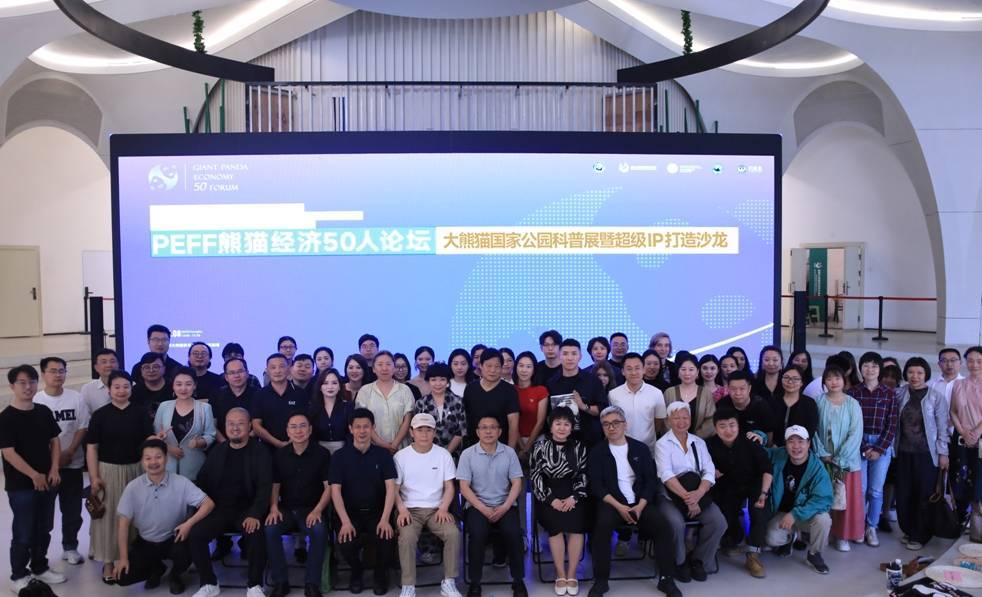
聚焦IP与创新 “大熊猫国家公园科普展暨超级IP打造沙龙”举行
Sou Hu Cai Jing· 2025-05-09 11:31
Core Insights - The event "Panda National Park Science Exhibition and Super IP Creation Salon" aims to enhance the panda economy industry chain and ecological value transformation in Chengdu, gathering over a hundred representatives from government, academia, and enterprises [1][7] Group 1: Ecological Co-construction - The event included a visit to the Chengdu Research Base of Giant Panda Breeding, showcasing the achievements in panda conservation through various multimedia presentations [3] - Professor Zhang Hemin, known as the "Father of the Giant Panda," emphasized the importance of scientific protection for industry development and called for a sustainable panda ecological circle [4] - The establishment of the Giant Panda National Park has not only protected panda habitats but also fostered the development of various economic activities, highlighting the unique cultural and economic value of the panda IP [4] Group 2: International Communication - The event featured discussions on the international promotion of giant pandas, utilizing live streaming and video to enhance global visibility and engagement [5] - The Chengdu Panda Base has successfully integrated conservation with cultural experiences, creating a symbiotic relationship between research and cultural innovation [5] Group 3: Innovative Integration - The event showcased innovative products such as high-fidelity panda toys and collaborations with companies like Pop Mart to create panda-themed blind boxes, demonstrating the global appeal of panda IP [6] - The integration of traditional Chinese medicine with panda imagery has led to the development of products like "Panda Health Tea," achieving annual sales exceeding 80 million yuan [6] - The event included discussions on cross-industry collaborations and the upgrading paths for the panda economy industry chain [6] Group 4: Industry Development Initiatives - The event is part of a broader initiative by the Chengdu Civil Affairs Bureau to support industry chain strengthening, with over 2,000 enterprises participating since its launch in 2023 [7] - The panda economy forum aims to promote deep integration of industry, innovation, and value chains through new technologies, partnerships, and market expansion [7]