理性精神

Search documents
任泽平:但斌先生的善意收到了 和而不同
Ge Long Hui· 2026-01-19 06:12
Group 1 - The recent bull market has exceeded the expectations of most investors, indicating a significant shift in market sentiment since September 2024 [1][2] - The approach to macro market direction involves simple methods such as contrarian thinking, experience with macro cycles, and an element of luck [2] - The importance of recognizing trends in the market is emphasized, with a focus on maintaining a rational mindset and long-term perspective [2] Group 2 - The commentary reflects on the necessity of constructive dialogue among industry professionals, highlighting the value of mutual respect and understanding [2] - The sentiment of goodwill and collaboration is encouraged, suggesting that a positive approach can lead to better outcomes in the investment community [2] - The message concludes with a wish for peace and success in the new year, reinforcing a hopeful outlook for the future [2]
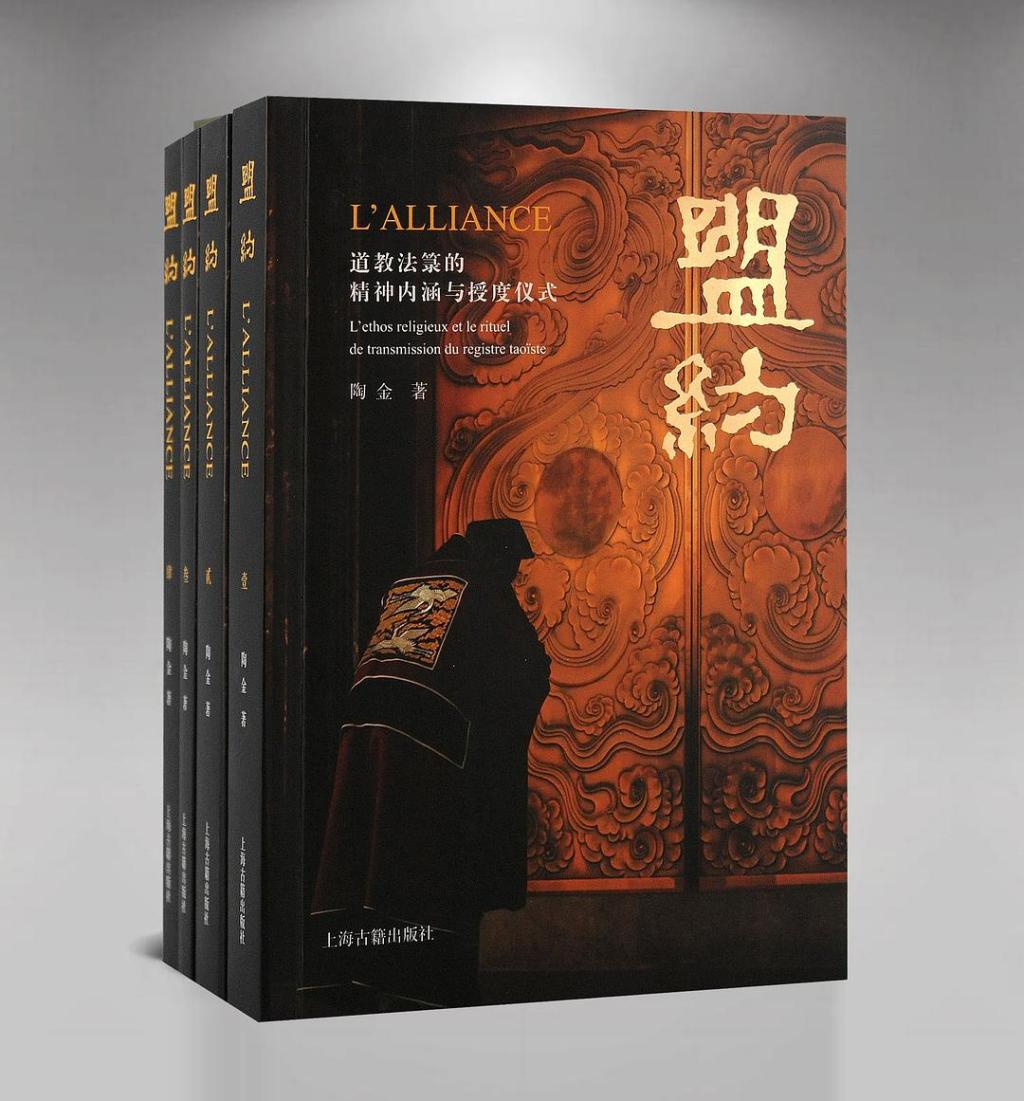
《盟约:道教法箓的精神内涵与授度仪式》的写作自述与辩白
Xin Lang Cai Jing· 2025-07-17 05:27
Core Perspective - The book "Covenant: The Spiritual Connotation and Initiation Ceremony of Daoist Talismans" aims to establish a consensus on defining Daoism through the discussion of core concepts like "talismans" and "covenants" [3][19]. Group 1: Intentions of the Book - The primary intention is to define Daoism by creating a coherent narrative from diverse sources, addressing the question "What is Daoism?" [3][19]. - Another major intention is to depict a religious ecology centered around ordinary believers, emphasizing their spiritual practices and life meanings [6][19]. Group 2: Theoretical Framework - The book discusses the need for a pluralistic understanding of Daoism, recognizing its complexity and historical variations [4][19]. - It emphasizes the importance of a self-consistent narrative for Daoist beliefs, aiming for a synthesis of pluralism into a singular understanding [4][19]. Group 3: Historical Context - The organized Daoist community and its doctrines are traced back to Zhang Daoling and the Tian Shi Dao, marking a pivotal moment in Daoist history [5][19]. - The book highlights the significance of the He Ming Mountain event in 142 AD as a foundational moment for Daoist beliefs and practices [19][21]. Group 4: Comparative Studies - The book employs a comparative approach, analyzing Daoism alongside other philosophical traditions like Legalism and Mohism, revealing historical connections [13][19]. - It also compares Daoism with Judaism, focusing on shared concepts of a transcendent existence and the ritual of oaths [14][19]. Group 5: Core Religious Spirits - The book outlines several core spiritual principles, including rationality, liberation, equality, and a sense of shared destiny among practitioners [36][41]. - It emphasizes the transformation of traditional practices, advocating for a more egalitarian approach to religious identity and participation [41][42]. Group 6: Future Directions - The author expresses a commitment to ongoing dialogue and reinterpretation of Daoist principles to ensure relevance across different eras and communities [45][46]. - The work is positioned as a starting point for deeper discussions on Daoism, encouraging further exploration and understanding of its teachings [47].