琉璃河遗址考古

Search documents
琉璃河遗址申遗写入市“十五五”规划建议,这里是“北京城之源”
Xin Jing Bao· 2025-11-28 03:24
Core Insights - The Beijing Municipal Committee has officially released the proposal for the 15th Five-Year Plan, which includes the promotion of the Liulihe site for World Cultural Heritage status [1] - The archaeological discoveries at the Liulihe site have been recognized as significant, with the site being referred to as the "source of Beijing" and showcasing the earliest urban civilization in the region [2] Archaeological Discoveries - The Liulihe site has yielded numerous artifacts, including bronze vessels and jade items, with over a hundred cultural relics discovered during recent excavations [2] - Notable findings include a small noble tomb with an area of only 7 square meters, which contained bronze artifacts, indicating the site's historical significance [2] - The site has been recognized in various archaeological accolades, including being selected as one of the top ten archaeological discoveries in 2024 [4] Cultural Significance - The Liulihe site is crucial for understanding the early urban planning and social structures of the Western Zhou Dynasty, revealing a dual city wall structure that was previously unrecognized [6][7] - The excavation has also uncovered a small-scale commoner cemetery, allowing researchers to reconstruct family trees and social relationships among the inhabitants [7] Preservation and Future Plans - The preservation efforts for the Liulihe site are ongoing, with significant land reclamation completed to protect the core area of the site [9] - The site has been included in the list of national archaeological parks, and preparations for its nomination as a World Cultural Heritage site are underway [9]
琉璃河遗址早期考古历程
Bei Jing Wan Bao· 2025-11-19 06:56
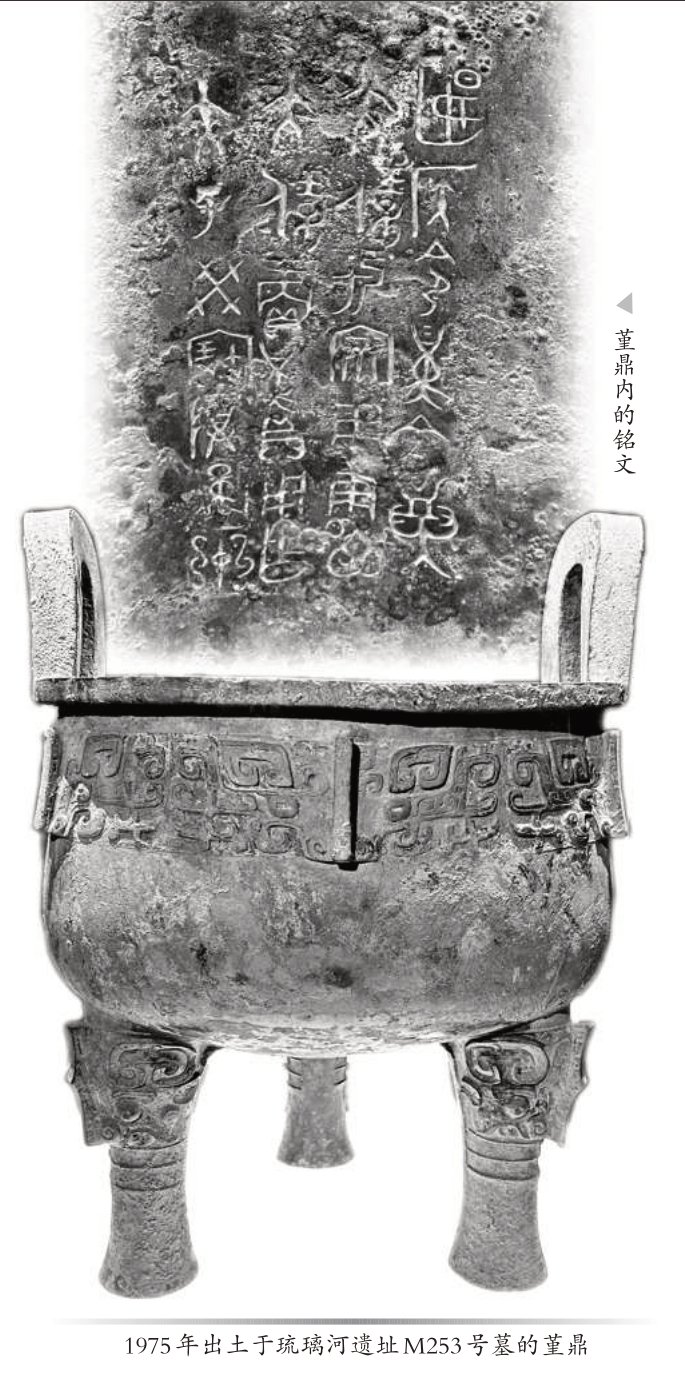
Core Viewpoint - The "Taibao Yongyan - Liuli River Site Special Exhibition" at the Capital Museum has attracted a large number of visitors, showcasing significant archaeological findings from the Liuli River site, which is crucial for understanding the early capital of the Yan state during the Western Zhou period [1][4]. Group 1: Archaeological Background - The archaeological investigation of the Liuli River site began in 1962, with significant excavations occurring in the 1970s, leading to the discovery of national treasures such as the Boju Li and Jin Ding bronze vessels [1][4]. - The early work of archaeologists during a time of material scarcity is highlighted as particularly commendable, providing essential evidence for identifying the site as the earliest capital of the Yan state [1][4]. Group 2: Key Discoveries - The first archaeological survey in 1962 led to the discovery of 14 new sites and the re-examination of 4 previously known sites, marking a significant step in understanding the region's historical context [4][5]. - Notable artifacts include the Boju Li, which features intricate bull head designs and is considered a masterpiece of early Western Zhou bronze craftsmanship, and the Jin Ding, which provides insights into the political and cultural exchanges of the time [11][12][13]. Group 3: Excavation Details - The excavation efforts from 1973 to 1977, led by archaeologist Guo Ren, resulted in the unearthing of nearly 70 tombs and numerous artifacts, including bronze ritual vessels, which are indicative of the burial practices and social hierarchy of the Yan state [15]. - The findings from the yellow earth slope cemetery area suggest it served as the burial ground for the Yan royal family, further establishing the site's historical significance [15].