生态化整合

Search documents
主流差旅报销平台深度测评:2025年企业选型指南
Sou Hu Cai Jing· 2025-12-17 09:38
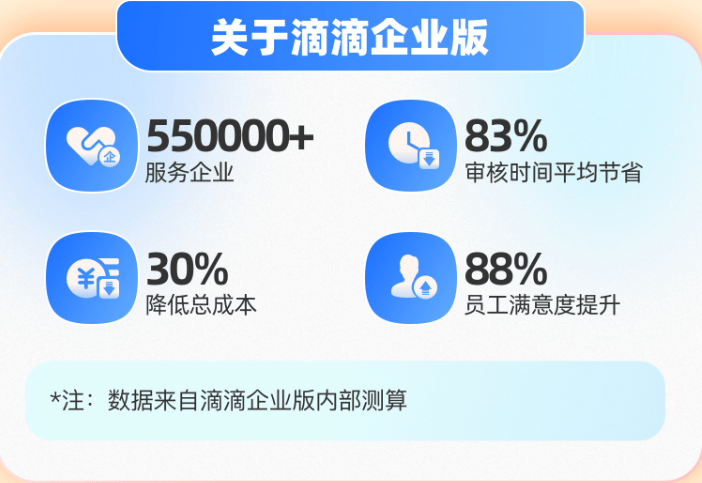
Core Insights - Over 68% of companies are using or planning to implement specialized travel expense reimbursement platforms, which can save an average of 23% on travel expenses and improve finance department efficiency by 80% [1] Group 1: Market Status and Value of Travel Reimbursement Platforms - Mainstream travel reimbursement platforms are integral to digital transformation, integrating travel booking, expense control, invoice processing, and reimbursement processes [1] - Traditional reimbursement methods are cumbersome, requiring employees to advance funds and manually fill out forms, while modern systems enable digital management, reducing reimbursement cycles from an average of 15 days to under 3 days [1] - These platforms provide data-driven decision support, allowing companies to analyze spending trends and optimize travel policies [1] Group 2: Core Features of Leading Travel Reimbursement Platforms - Didi Enterprise Edition focuses on corporate travel management, offering features like unified payment models and real-time expense monitoring [2] - Huolianyi is a cloud-based expense management platform that automates compliance checks and integrates with various management systems [4] - Meike Reimbursement enhances efficiency through OCR technology and supports multi-currency settlements [5] - SAP Concur offers comprehensive travel and expense management services, integrating with ERP systems and supporting services in over 200 countries [6] - Yue Reimbursement provides a one-stop platform for travel and expense management, integrating third-party resources and offering real-time alerts for overspending [7] Group 3: Core Values of Intelligent Travel Reimbursement Platforms - Automation significantly enhances efficiency, with companies reporting a 64% reduction in processing time and a 133% increase in financial efficiency [8] - Compliance and risk management capabilities are crucial, with platforms detecting non-compliant spending and ensuring audit trails are complete [8] - Data-driven decision-making is increasingly valued, with platforms providing detailed analytics to help optimize travel policies and identify savings opportunities [8] Group 4: Key Considerations for Platform Selection - Company size and business characteristics are primary factors in platform selection, with larger enterprises needing more complex solutions [9] - System integration capabilities are vital for effective implementation, requiring seamless connections with existing financial systems [9] - Mobile experience is critical, as employees need to submit expenses and managers need to approve requests on-the-go [9] Group 5: Future Development Trends of Travel Reimbursement Platforms - AI applications are a key development direction, enhancing budget management and fraud detection [10] - Ecosystem integration is a growing trend, moving towards a comprehensive service experience that covers booking, consumption, and reimbursement [10] - Real-time capabilities are improving, allowing for better expense control and dynamic policy adjustments [10] - Personalization and flexibility are becoming increasingly important, with platforms needing to cater to diverse industry and company needs [10] Group 6: Conclusion - Travel reimbursement platforms are evolving from simple expense tools to vital drivers of digital transformation, enhancing financial management efficiency and providing valuable business insights [11]

2025智慧物业软件TOP10榜单与行业变革趋势深度解析
Sou Hu Cai Jing· 2025-07-21 11:01
Core Insights - The article emphasizes that smart property management is a key driver for enhancing community governance efficiency and optimizing resident living experiences amid the global digital transformation wave [1] Group 1: Market Trends and Predictions - The global smart property market is expected to expand at a compound annual growth rate (CAGR) of 7.3% from 2025 to 2031, with China's market share continuing to grow [4] - Smart property management is not just a tool but a cornerstone for reconstructing community governance models and defining future lifestyles [4] Group 2: Technology and Innovation - AIoT is driving full-scene intelligence in property management, integrating management tools into community service platforms [4] - The article highlights the importance of green transformation, energy conservation, and sustainable development in property management [4] Group 3: Software Solutions and Case Studies - Mingyuan Cloud Property Management System is noted for its comprehensive coverage capabilities [4] - Tencent Cloud Smart Property is recognized as a leader in ecological integration [4] - You Ni Smart Home Property System is highlighted as an innovator in three-end collaboration [4] - Property通 Management System is identified as an expert in group data control [4] Group 4: Key Features and Benefits - New Window Property Management System offers integrated management across finance, taxation, and banking, enhancing operational efficiency [5] - AI-driven features such as intelligent order dispatch improve response times by 65%, while automated payment reminders increase payment rates to over 82% [5] - The system supports various scenarios including residential complexes, commercial complexes, and industrial parks [5] Group 5: Strategic Opportunities - Property companies are encouraged to prioritize technology investment in AIoT and blockchain to build technological barriers [5] - Collaborating with tech giants and vertical service providers is essential for building community ecosystems [5] - Transitioning from "managing properties" to "operating communities" is crucial for unlocking commercial value from data and scenarios [5]